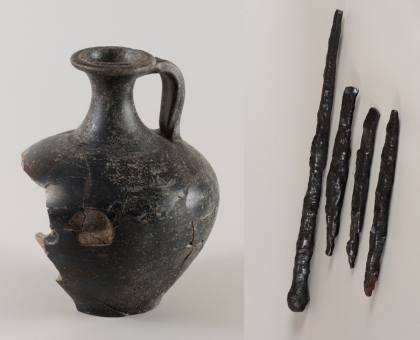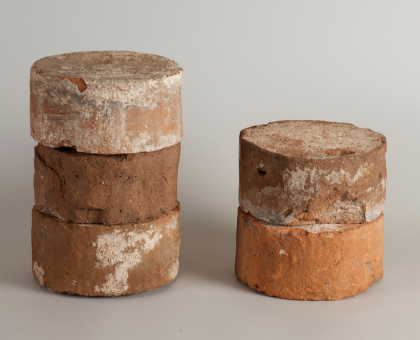



The Roman presence in what would later become the province of Segovia is evident from the 2nd century BC. They sought out settlements of the indigenous Celtiberians in order to pacify them and exploit the territory. Some of these settlements, often fortified hill forts, were abandoned; others were reoccupied as early as the 1st century AD. The territory eventually took shape around just three municipalities: Duratón (the ancient Roman city of Confloenta), near the present-day town of the same name, Coca and Segovia. All three places had a large indigenous population, which gradually became Romanised, speaking and writing Latin and adopting all the cultural norms of the Roman world. Between these three cities lay a large number of smaller settlements, the so-called ‘villae’—farmsteads for the agricultural exploitation of the surrounding area, often serving as second homes and forming part of large estates.
It is against this backdrop of profound changes in the indigenous world and its gradual adaptation to the Roman way of life that the construction of the Segovia Aqueduct must be understood. It is a prestigious project, both for the builders and for the city, in whose upper part there were notable houses and at least one thermal bath, the remains of which have been partially studied. Thus, alongside its immediate purpose—bringing water from the mountains to the town—there was also a political propaganda function: public works were often subsidised by figures from central or municipal politics.
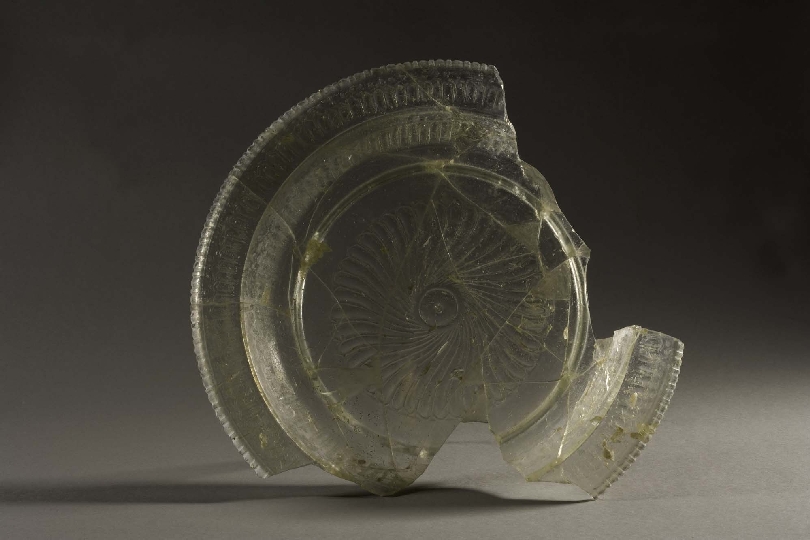
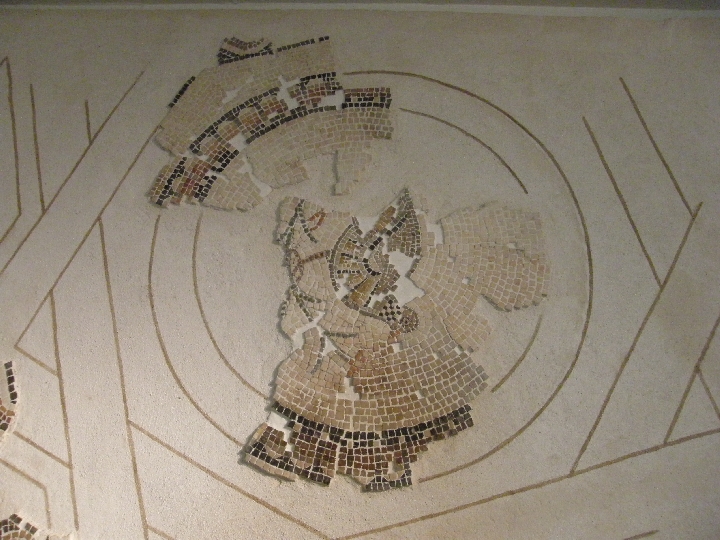
Over the last three decades, interventions in the city’s old quarter have revealed something more about what Roman Segovia was like. Although the remains are always partial, as they usually result from emergency excavations of foundations, those that have come to light reflect important buildings, both public and private. On the other hand, the 12th–13th centuries saw the peak of construction activity in Segovia, with rock being sought for the foundations of new buildings; this led to the destruction of earlier remains or the accumulation of materials used as fill, in which fragments of ‘terra sigillata’, wall paintings, mosaics, coins or glass have been found.
Another important aspect is the epigraphic evidence, evident throughout the perimeter of the medieval wall, where we find abundant remains of stelae and pedestals bearing inscriptions that reflect Segovian society during the Roman period.
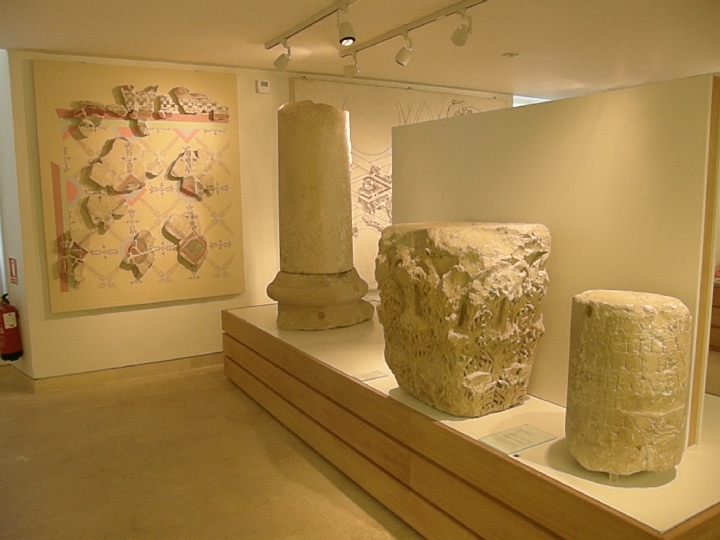
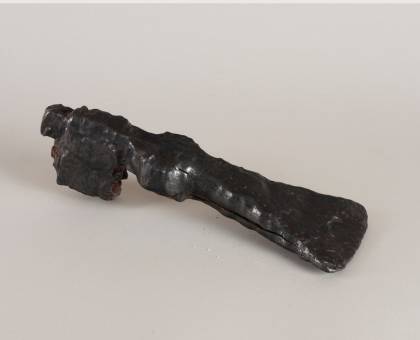
As the remains discovered are not visible, visitors can learn about the Roman city at the Segovia Museum, where artefacts are housed and displayed, not only from the capital but also from the numerous archaeological sites across the province.