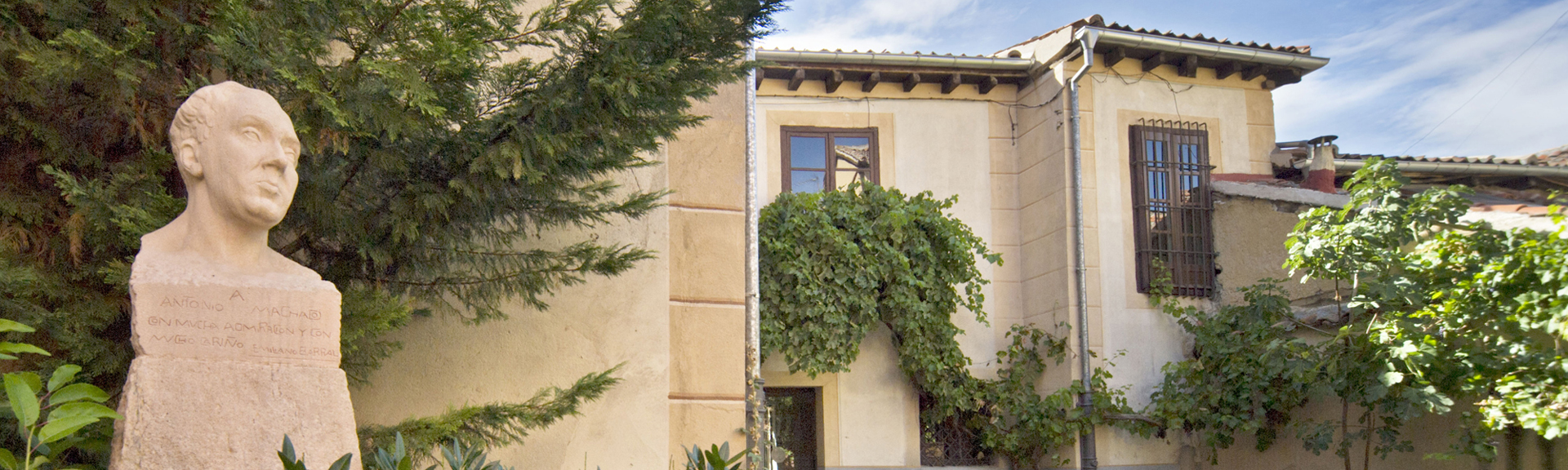
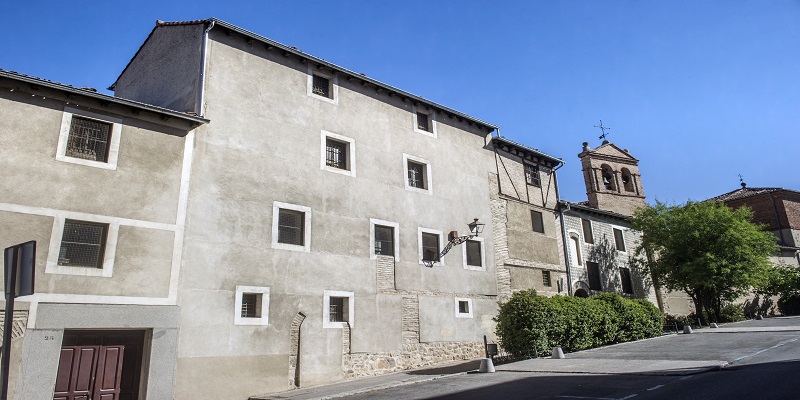
The guesthouse where the poet lived from 1919 to 1931. It retains the furniture and layout of those years. In the entrance garden stands a bust of Machado, a copy by Pedro Barral of the original locat...
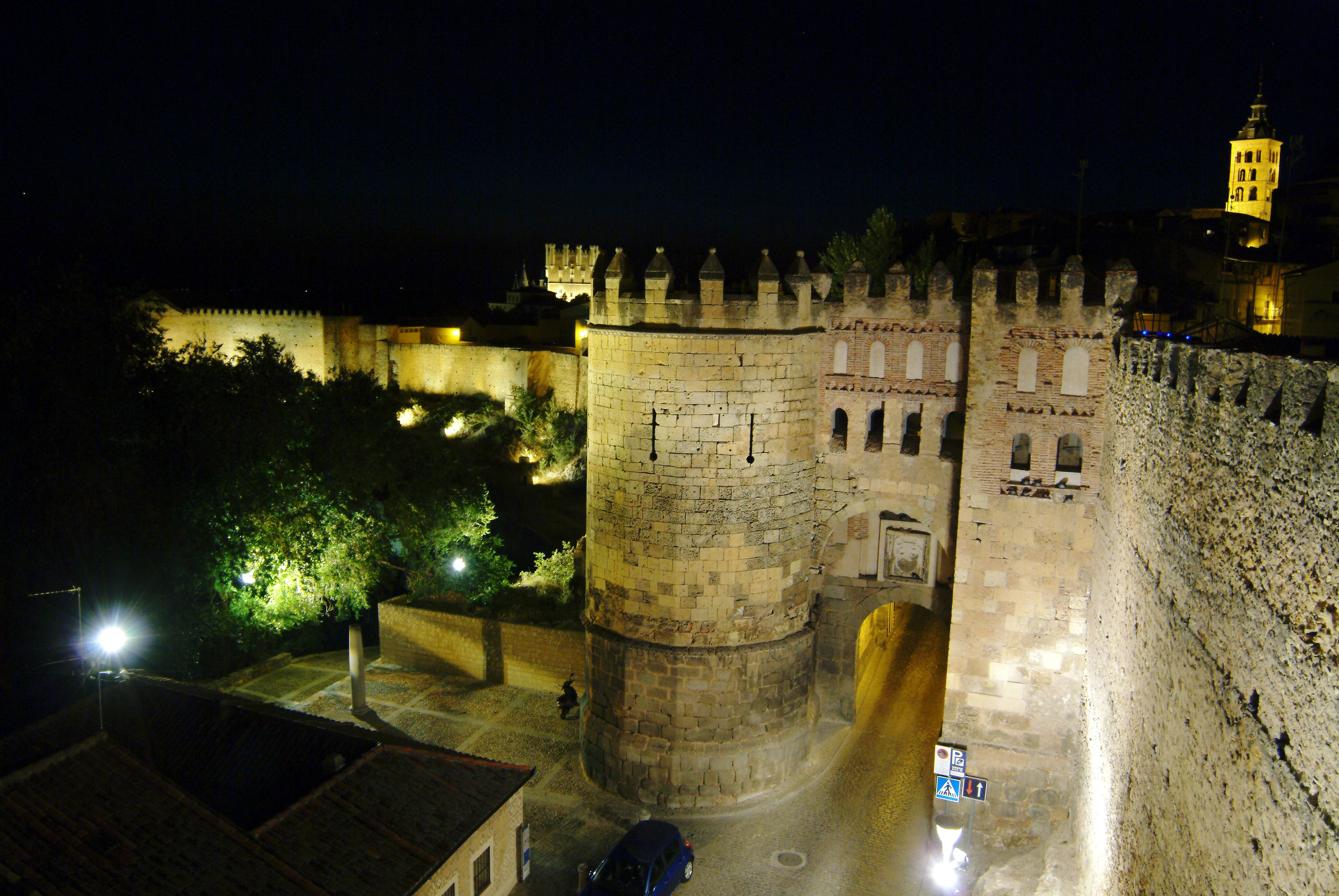
Originally, the building was constructed on a trapezoidal section of the city walls themselves. Given its physical layout, which is determined by its location on a rocky outcrop in the upper part of S...
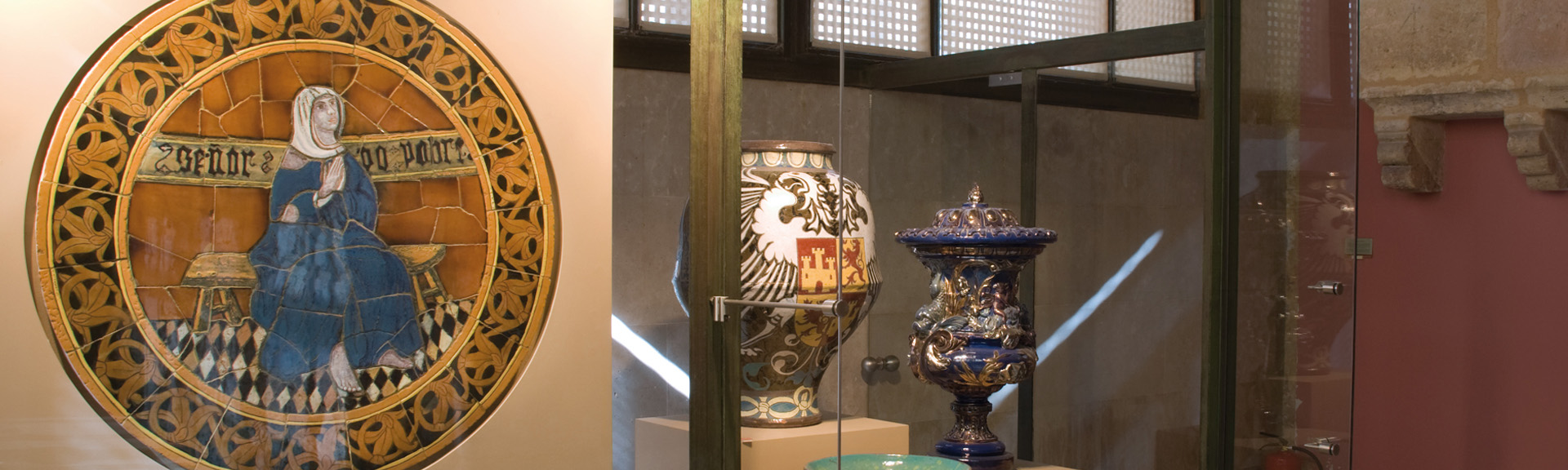
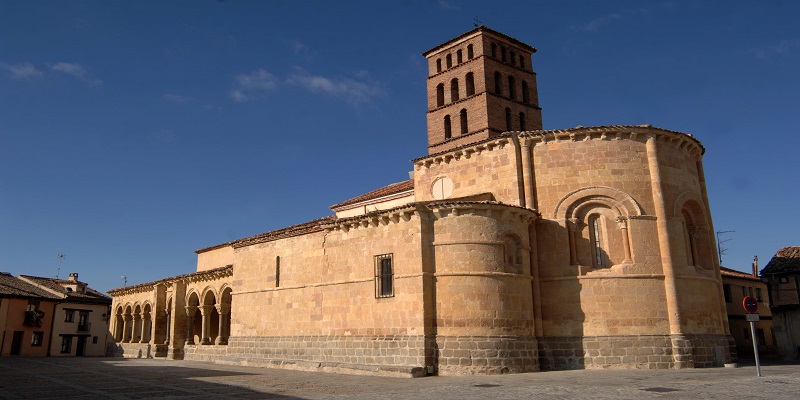
The former Romanesque church of San Juan de los Caballeros is the historic building that currently houses the museum.The church had ceased to be used for worship in 1843, entering a period of gradual ...
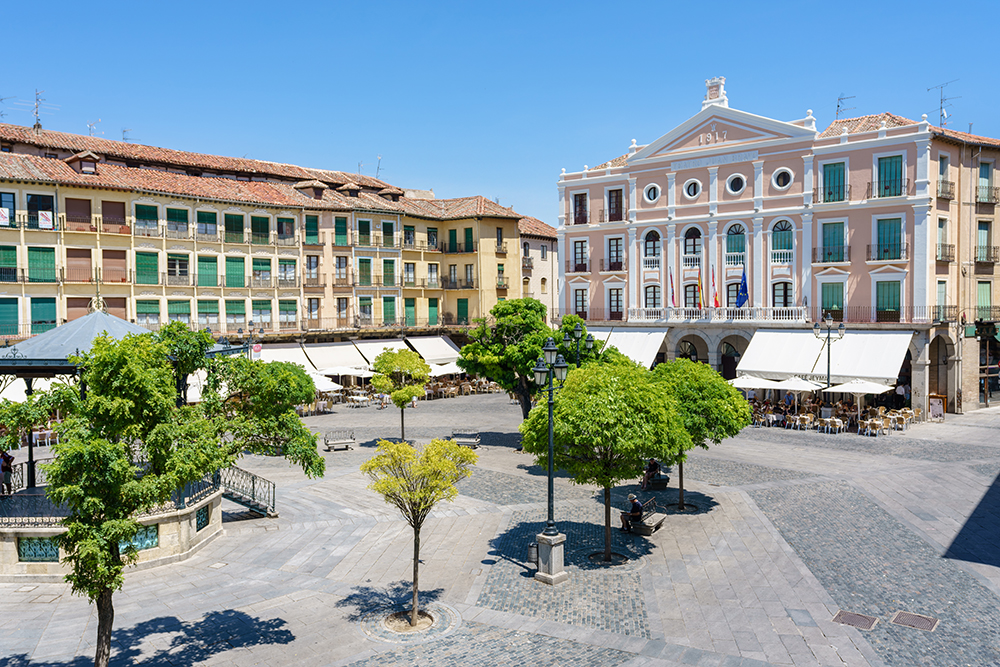
The Juan Bravo Theater features an exhibition hall on the 2nd floor, offering a varied program throughout the season.If the exhibition requires it, the openings in the balconies can be covered using r...
12th–13th centuries. Possibly built on the site of an earlier church. A single-nave structure with three apses. It houses an interesting Renaissance triptych and coffered ceiling.
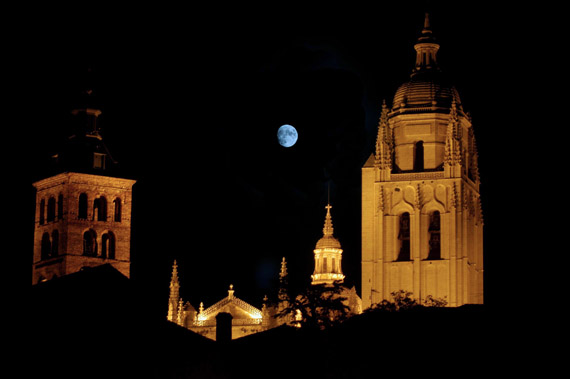
The Lady of the CathedralsIts full name is Cathedral of Our Lady of the Assumption and Saint Frutos.Built in the late Gothic style, construction began in 1525 with the voluntary support of the people ...
16th century. Originally the Convent of the Incarnation, home to Augustinian nuns, it was joined in 1592 by the community from the Convent of Humility, of the same order.Simple building materials can ...
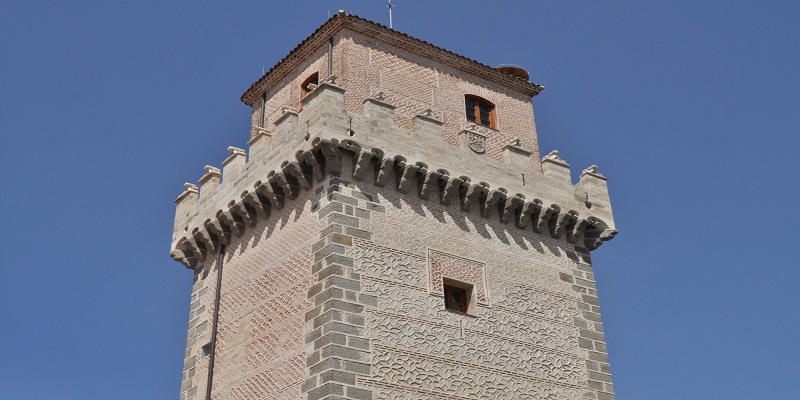
15th century. Palace of the influential family of Jewish converts, the Arias Dávila. Tower decorated with various sgraffito motifs. It retains its original coffered ceilings.Headquarters of the Tax Ag...
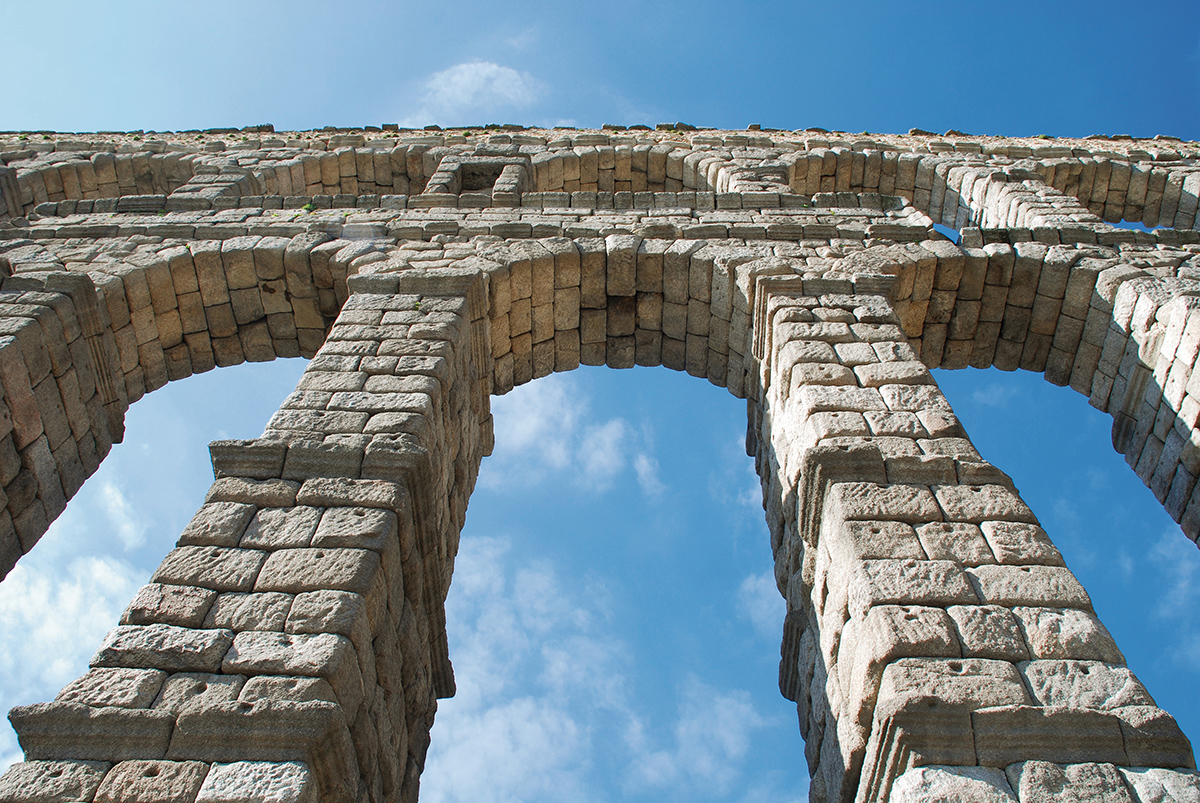
The Segovia Aqueduct, an exceptional feat of Roman hydraulic engineering, is one of Spain’s most iconic and renowned archaeological treasures.Constructed using large granite blocks set ‘dry’ (without ...