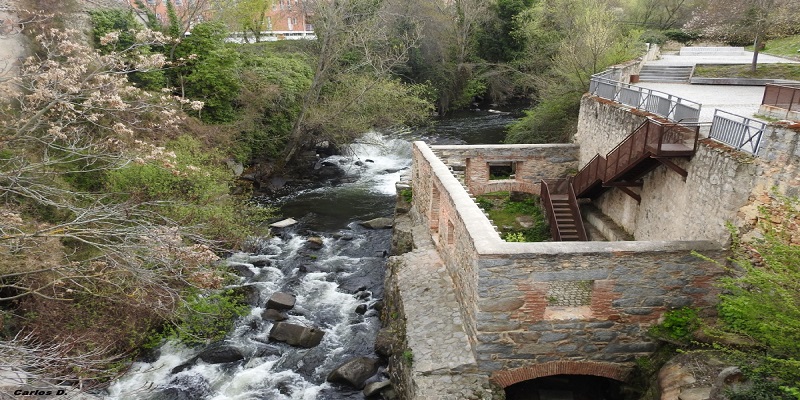
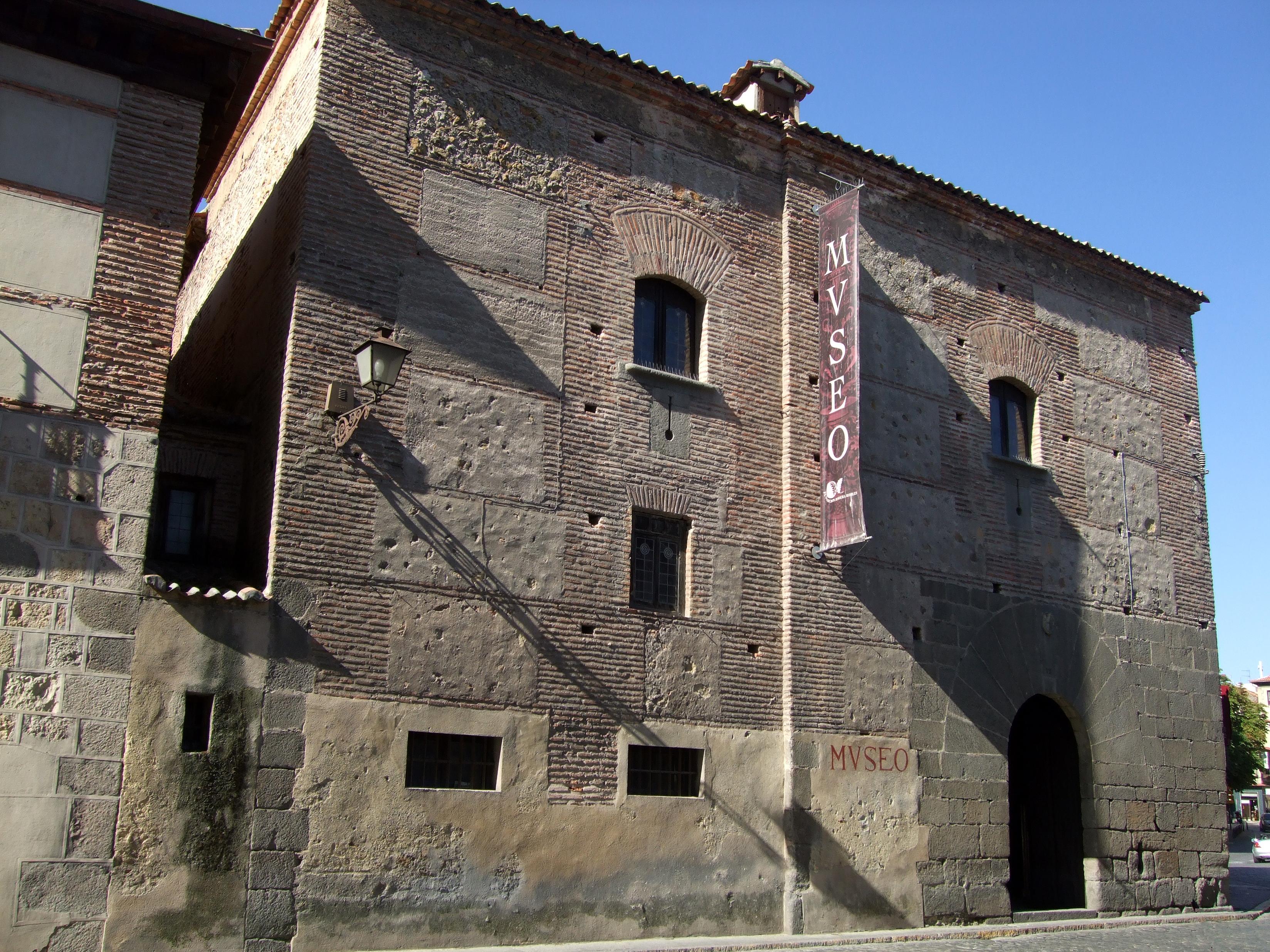
First recorded in 1489, it was converted into a flour mill in the 19th century. Following its partial demolition in 1975, its walls and some of the machinery were restored in 2010.It is an example of ...
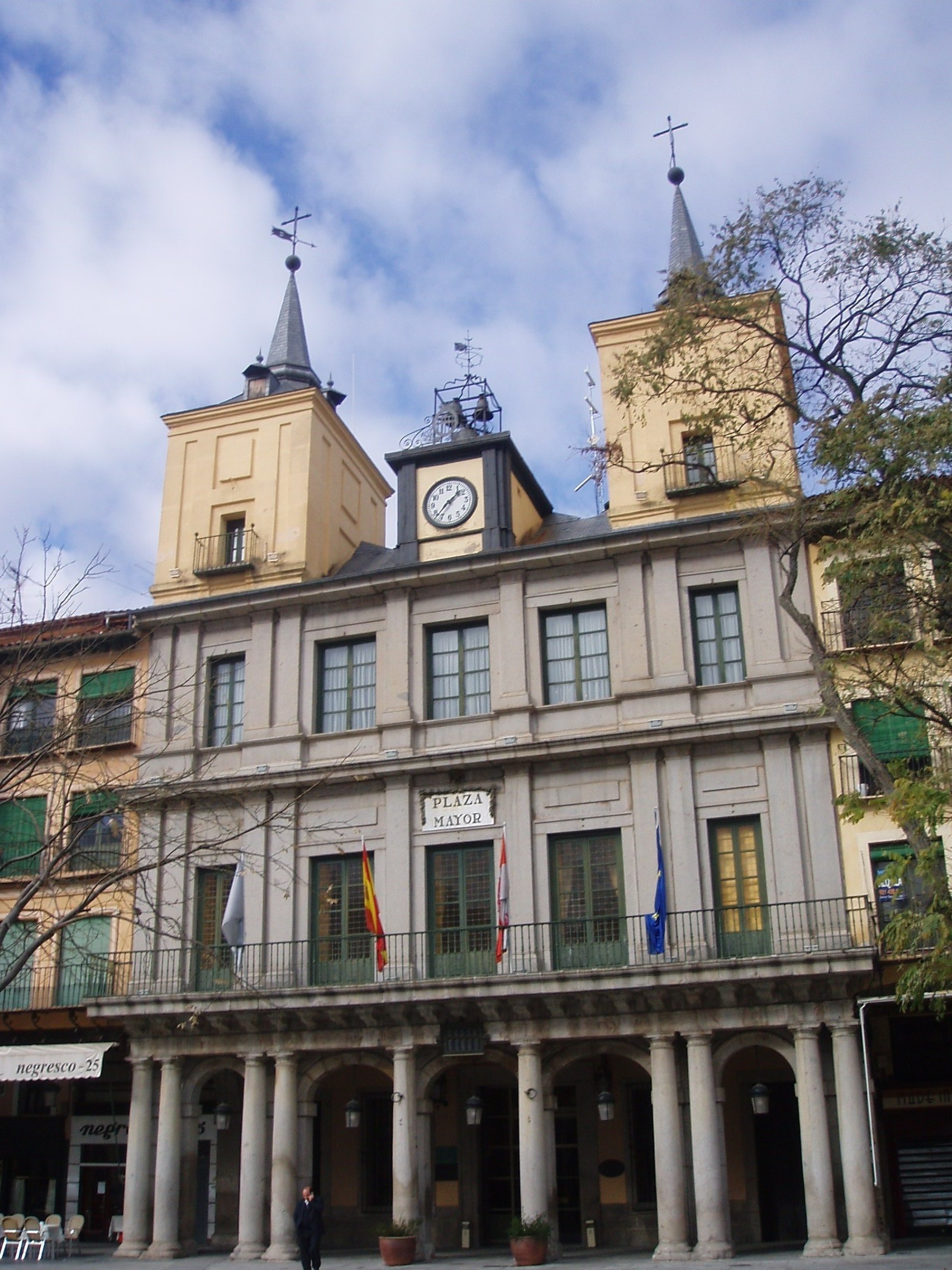
Where the local council is basedA building erected by Pedro de Brizuela in the early 17th century in the Herrerian style. It provided a permanent home for the council, which used to meet in the atrium...
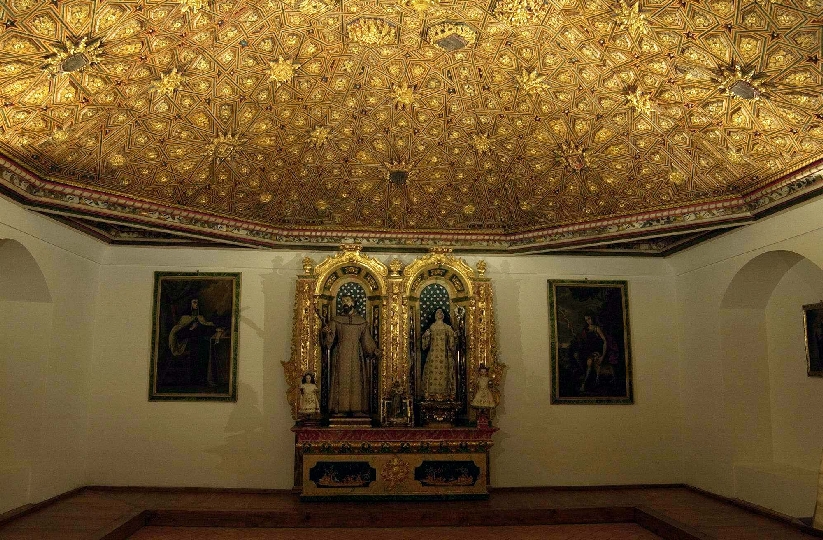
Henry IV, who had a hunting lodge here, donated it to the Franciscans in 1455; when they left in 1488, it was taken over by the Poor Clares. At an angle to the Plateresque façade, adorned with the pra...
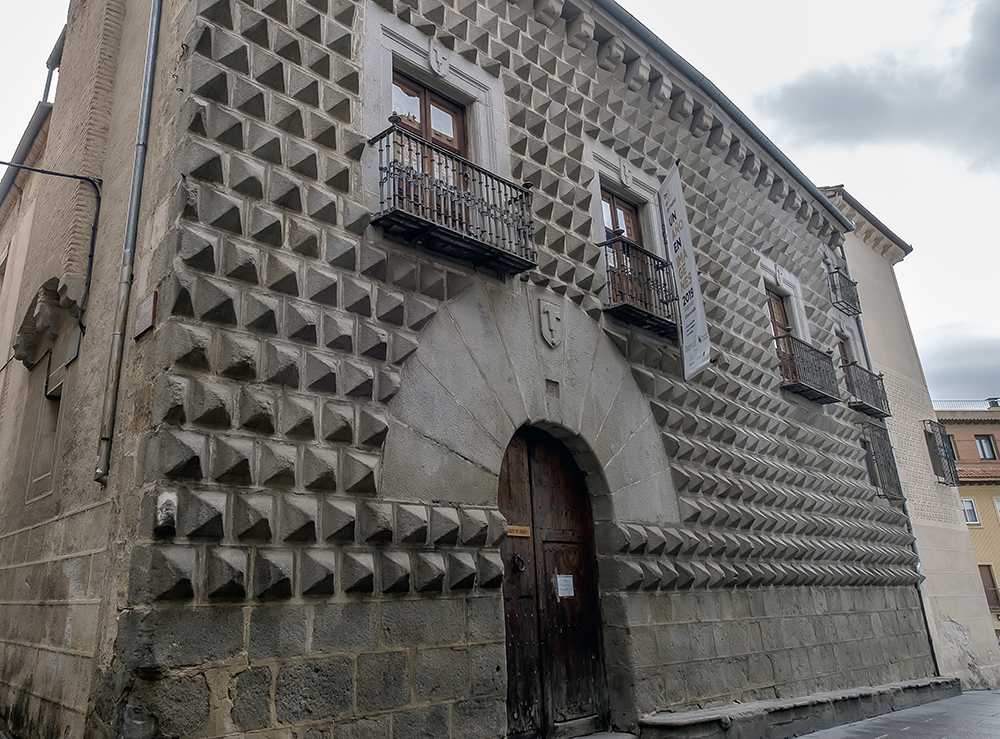
15th and 16th centuries. A fine example of Renaissance urban civil architecture. It still bears the coats of arms of the families who built it: Bermúdez de Contreras y del Río.For many years it housed...
It is situated at the sharpest bend in Calle Real. The façade, built in the early 16th century, is closer in style to medieval military architecture than to the civil aesthetics of the Renaissance.Its...
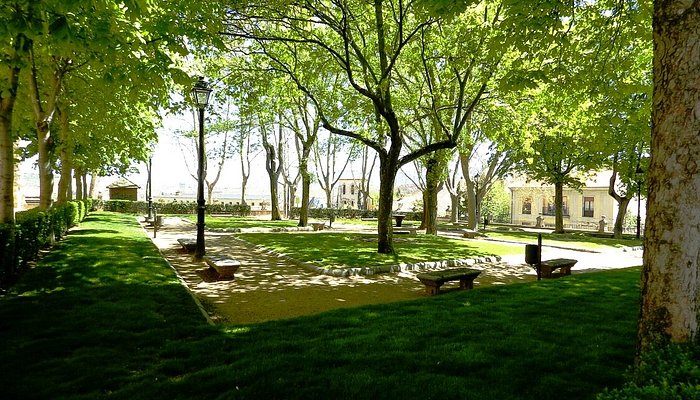
Located near the former Church of San Agustín, these gardens occupy the site of a former Augustinian convent, on one of the highest terraces within Segovia’s walled city. Their development began in th...
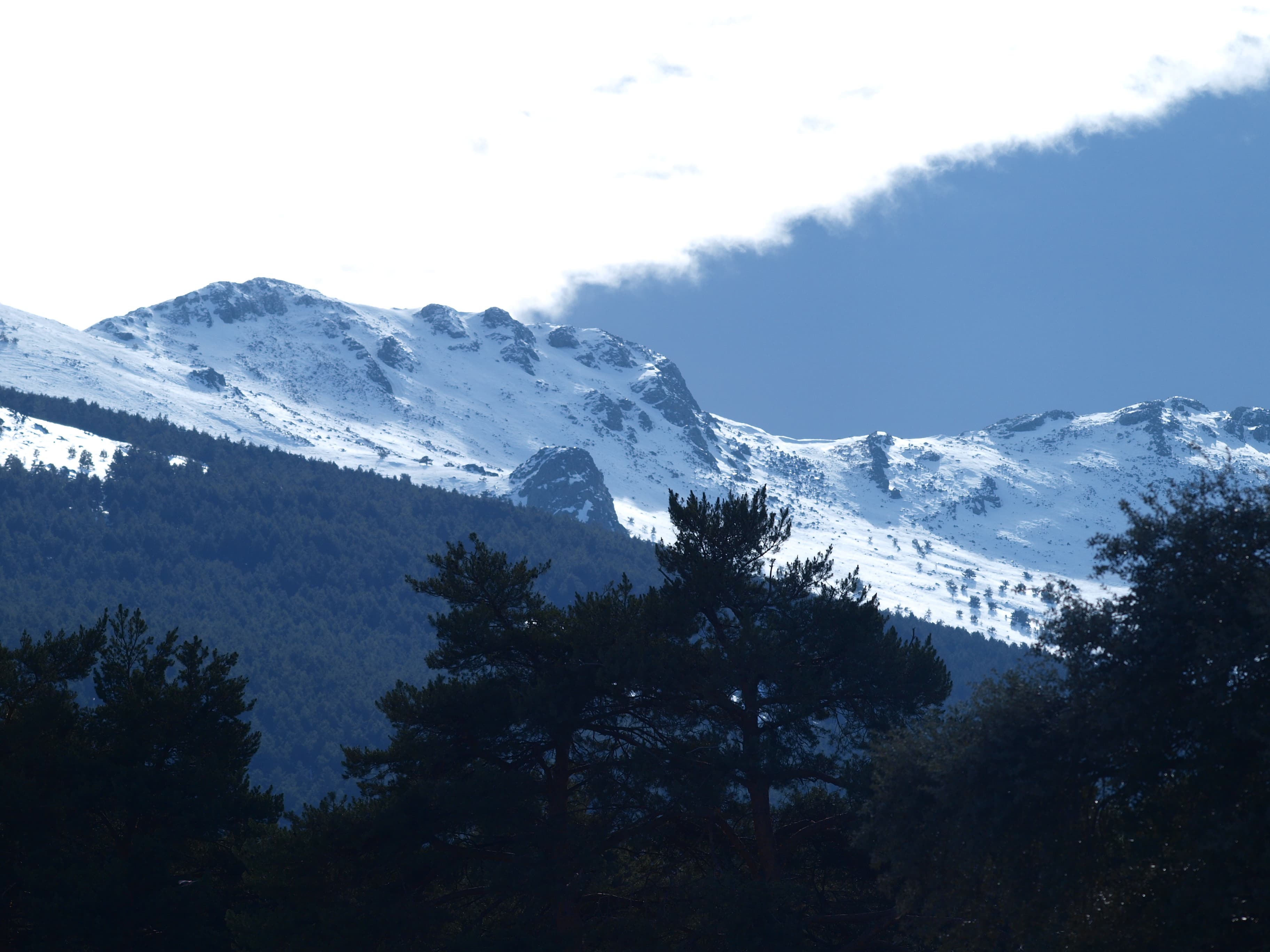
The Sierra de Guadarrama is part of the Central System, a long mountain range 500 kilometers long that crosses the center of the Iberian Peninsula from East to West.The conditions of the Sierra, coole...
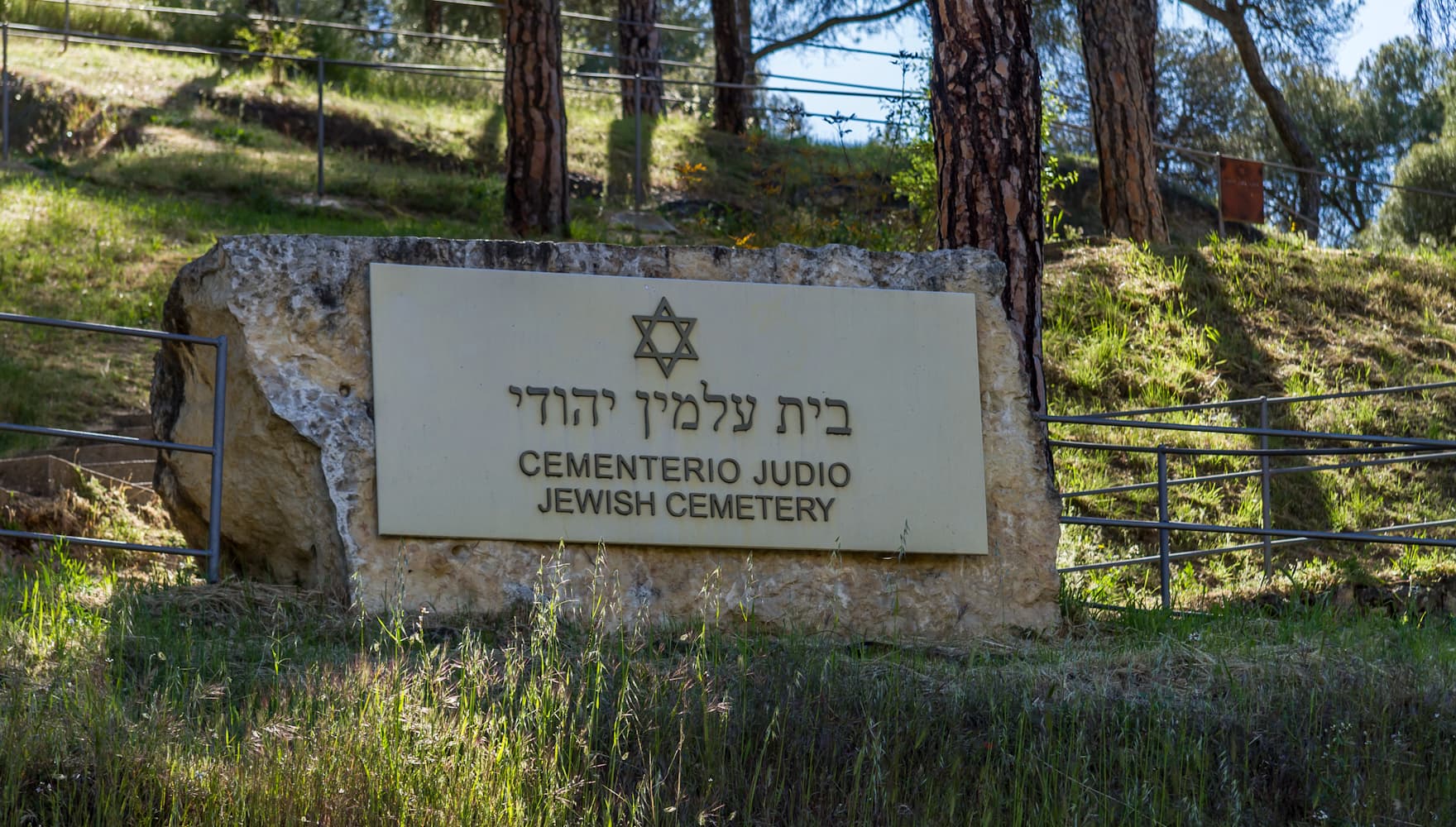
The Jewish cemetery was situated on the left bank of the Clamores stream and covered the walled area between the Puerta de San Andrés and the Casa del Sol. It stretches across a hill known as “el Pina...