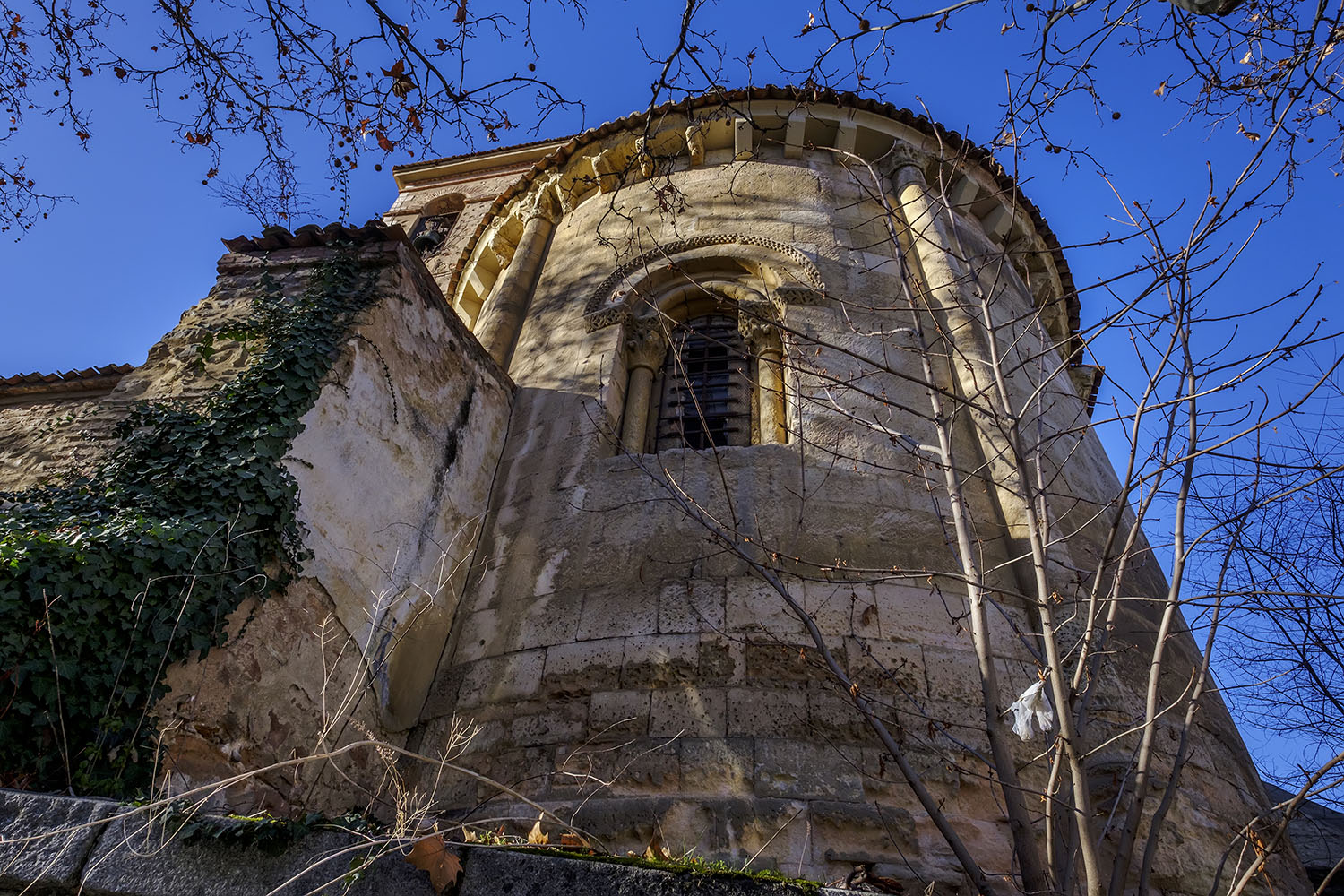
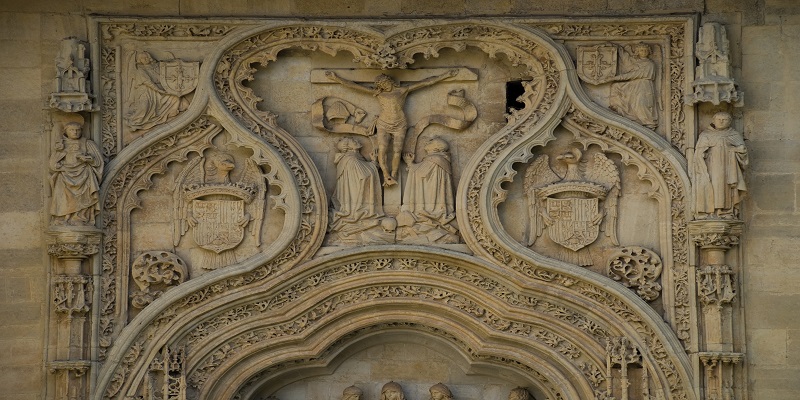
13th century. A single-nave structure with an apse at the east end. Romanesque remains can be seen in the apse and the north door. Notable Baroque plasterwork. Altarpiece dating from 1759.
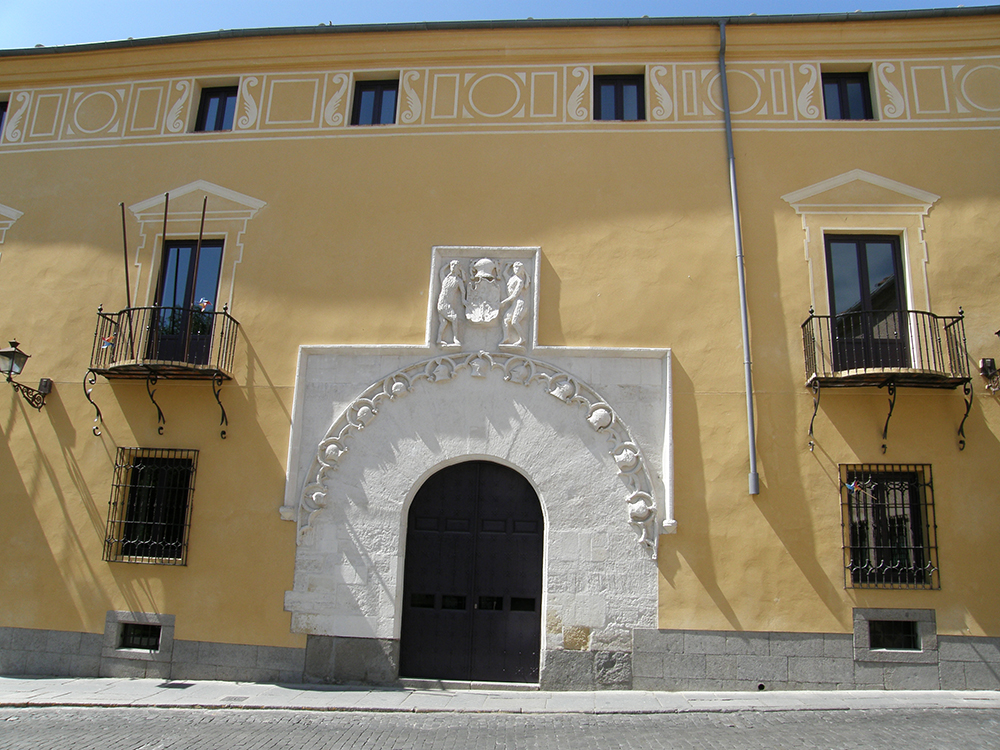
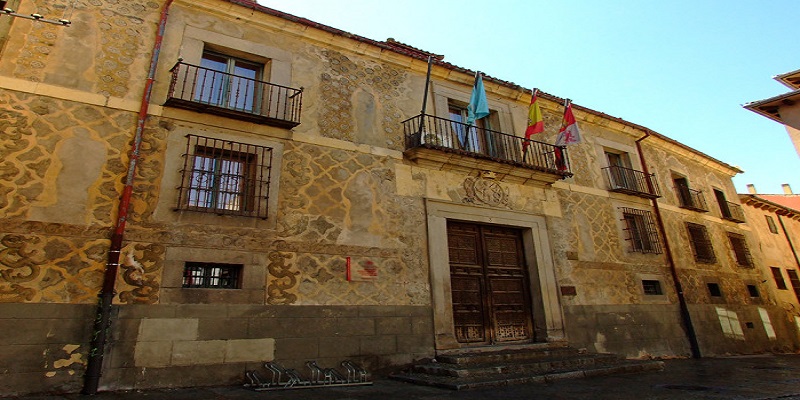
Built by the Marquises of Quintanar in the 15th–16th centuries. The entrance features an interesting decoration of arches and crests. A characteristic Segovian courtyard with columns bearing coats of ...
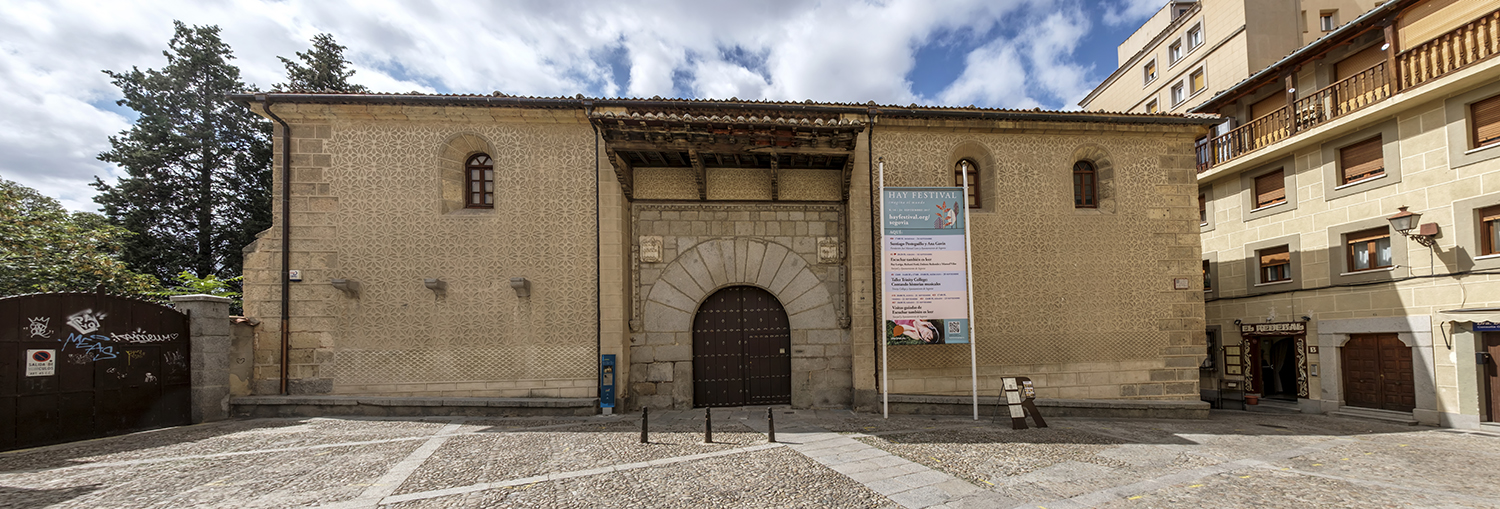
Municipal Historical ArchiveA building dating from the era of the Catholic Monarchs in the early 16th century.It was originally designed as a grain store, intended to assist the population—particularl...
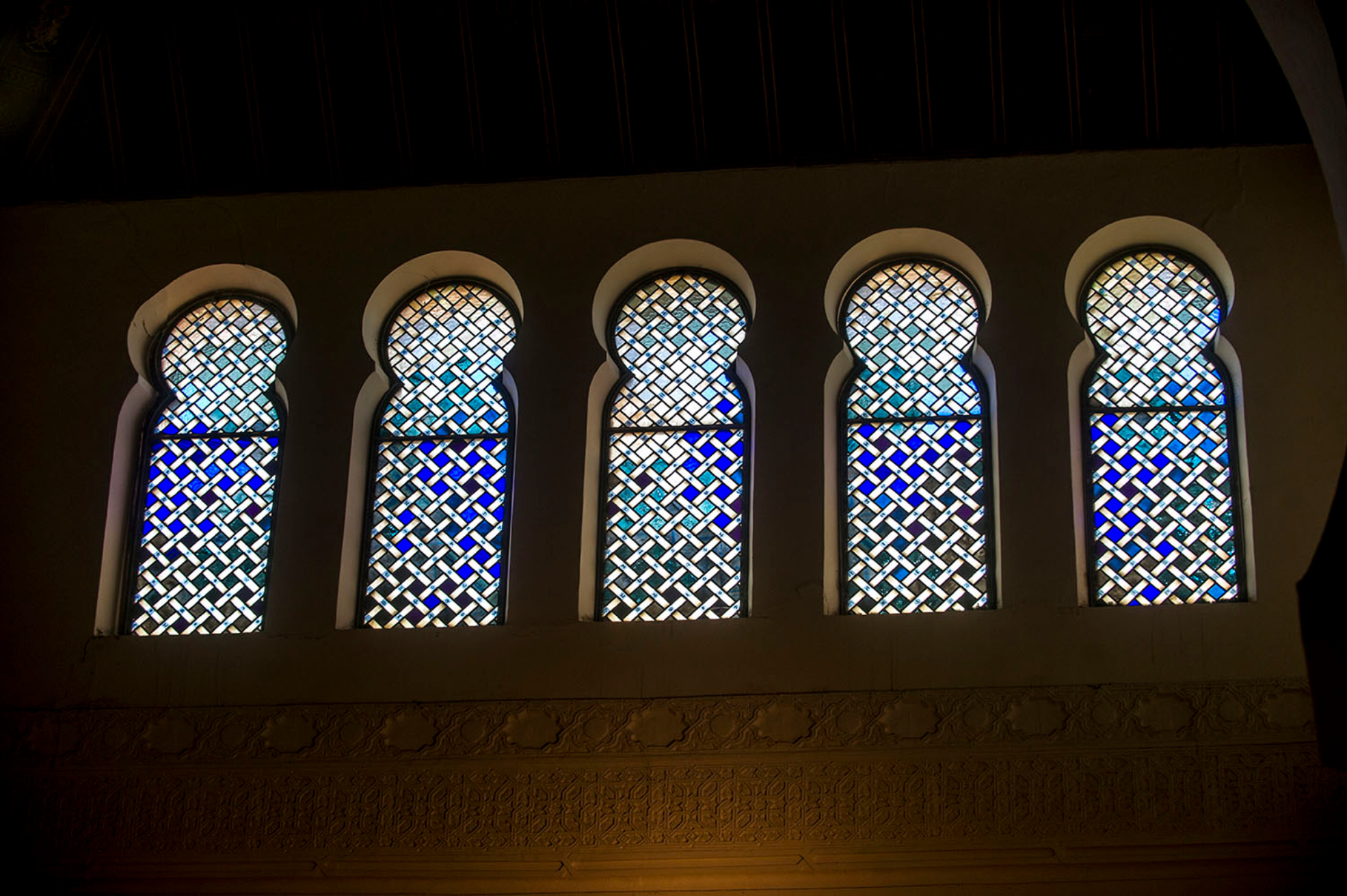
Current Corpus Christi ConventThe former Main Synagogue was the religious centre of Segovia's Jewish community in medieval times. It is located between Judería Vieja Street, Puerta del Sol and the cit...
Built in the mid-18th century by José de la Calle, a surveyor for the royal works at the Royal Farm of San Ildefonso. It served as a meeting place for the representatives of the Community of the City ...
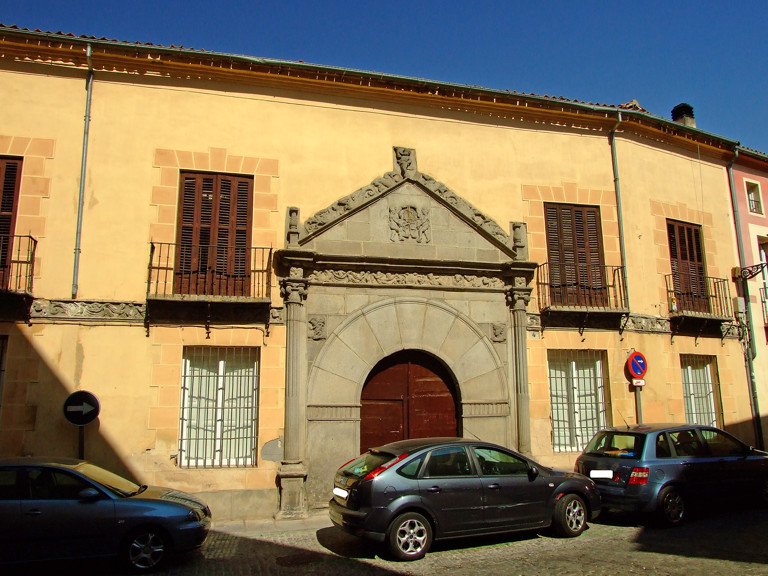
16th century. Plateresque façade. Portal featuring motifs relating to the life of Hercules. It was the home of Don Gonzalo Pérez, secretary to Charles I and Philip II, and previously of Don Diego Enrí...
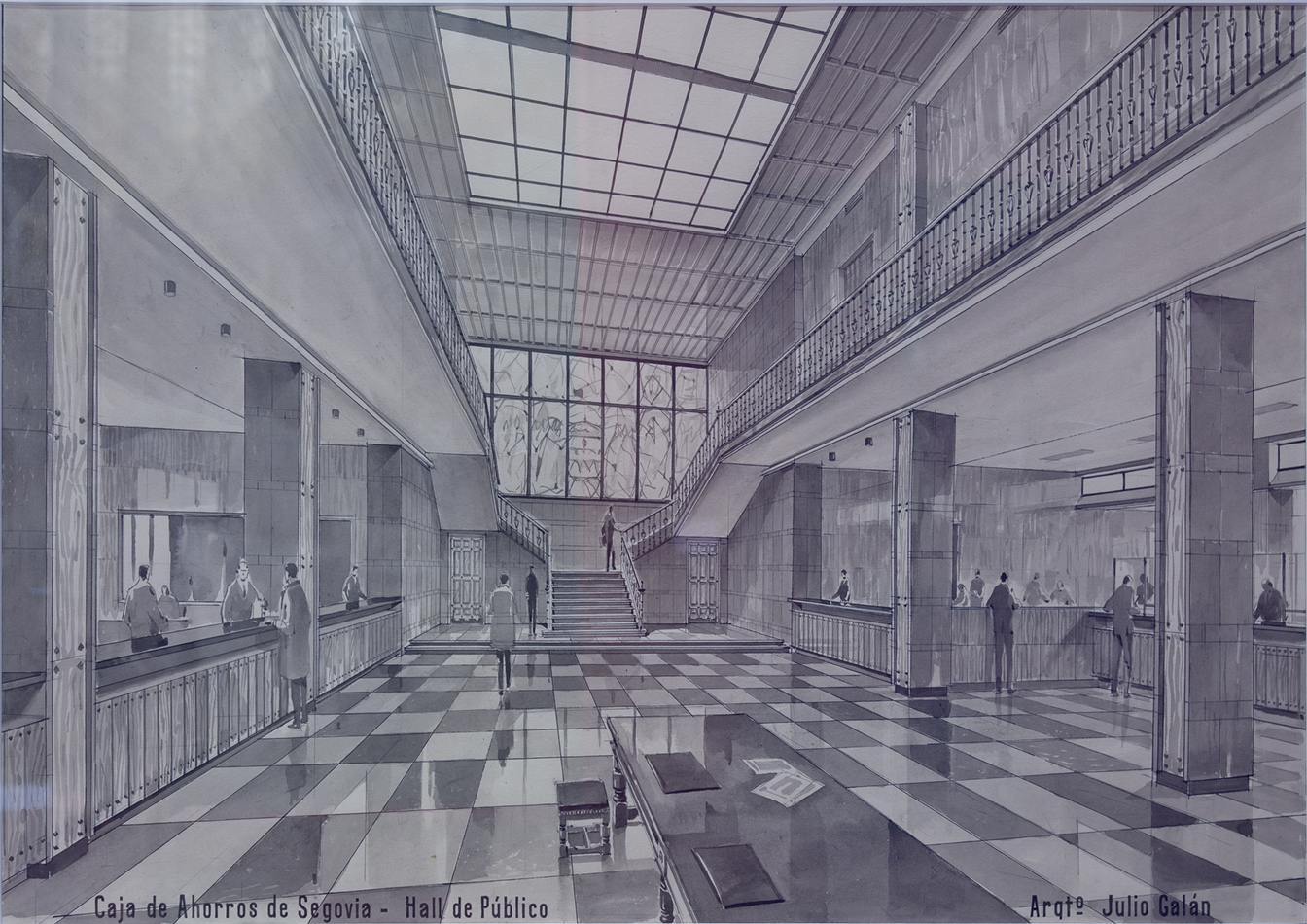
The permanent collection of the museum housed in the Torreón de Lozoya comprises just over a thousand works, most of which come from the legacy of the now defunct Caja Segovia, supplemented by donatio...
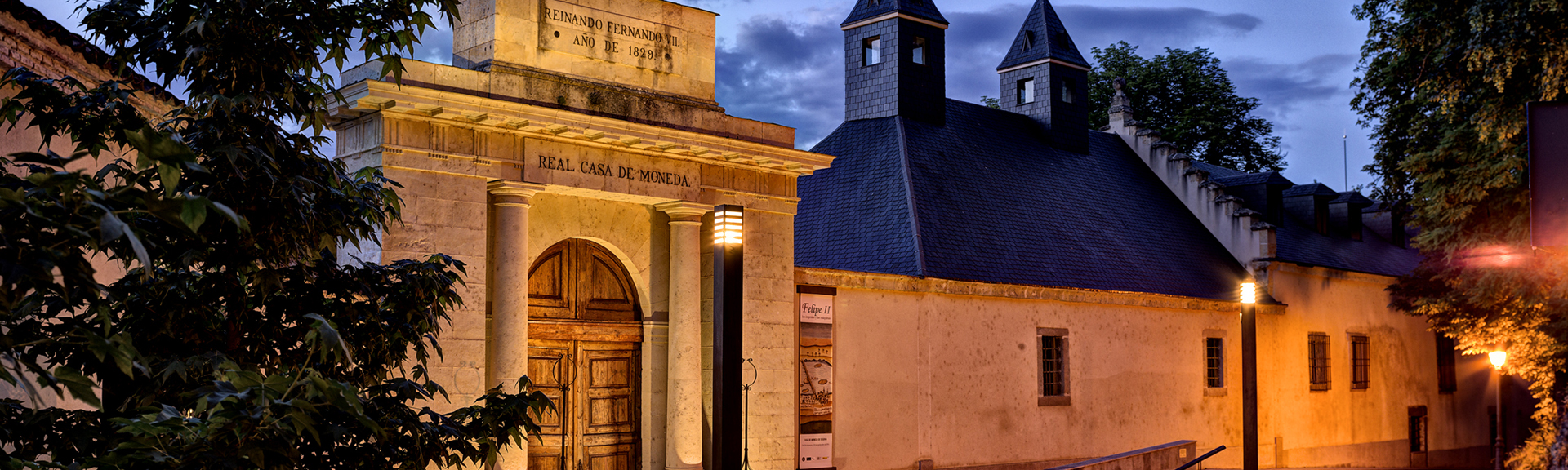
The Real Ingenio de Segovia was an innovative and pioneering mint. The building was designed to house modern machinery, known as ‘ingenios’, as well as the different departments of the industrial proc...
13th–15th centuries. A Romanesque-style Dominican convent, the first of its kind for men of the order, founded by Saint Dominic of Guzmán during his stay in Segovia at Christmas 1218. Rebuilt and exte...