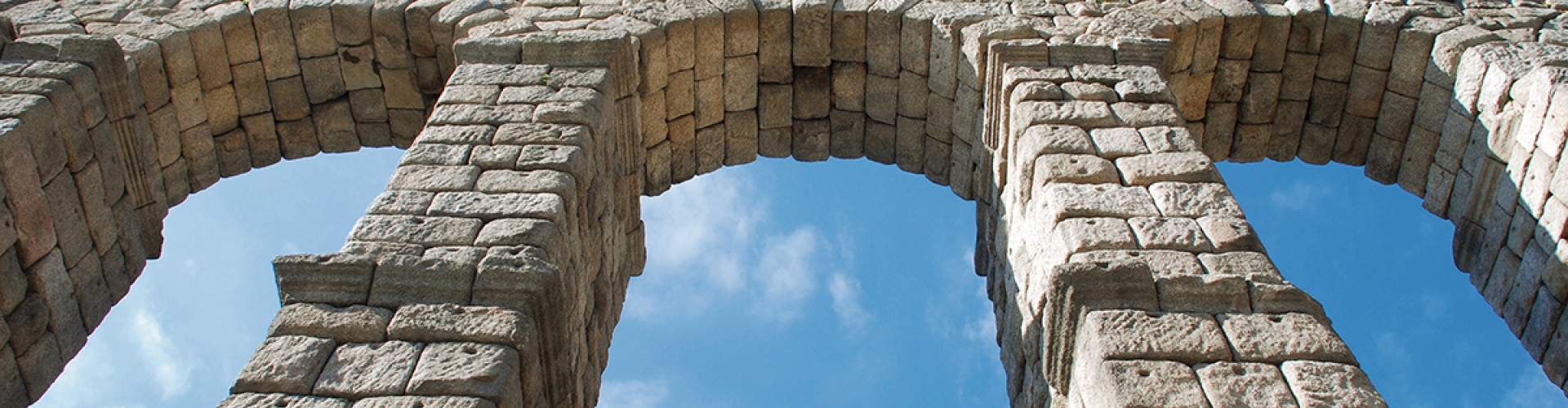
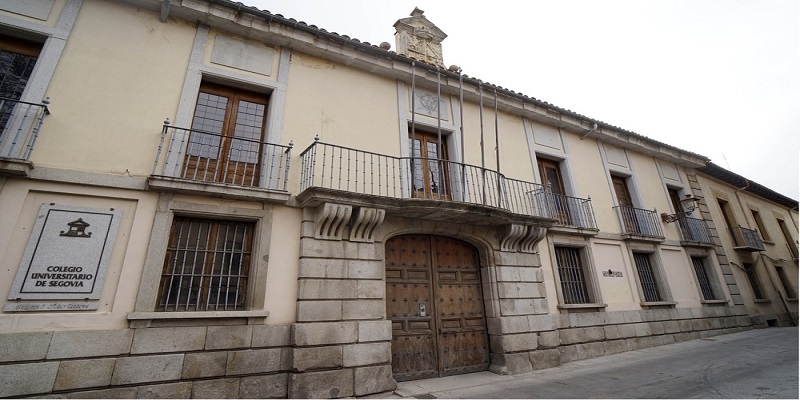
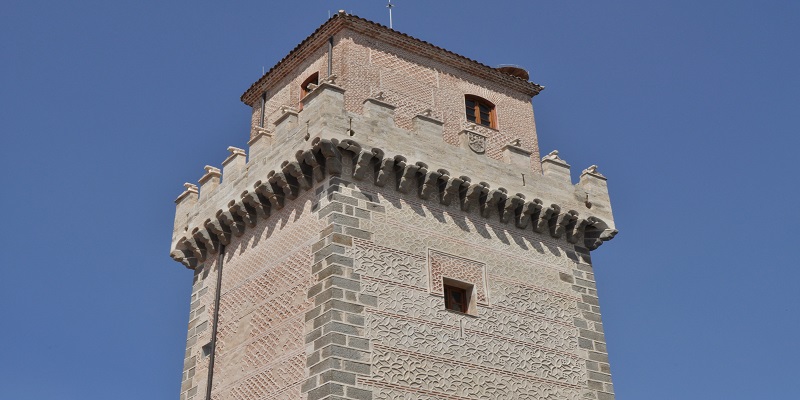
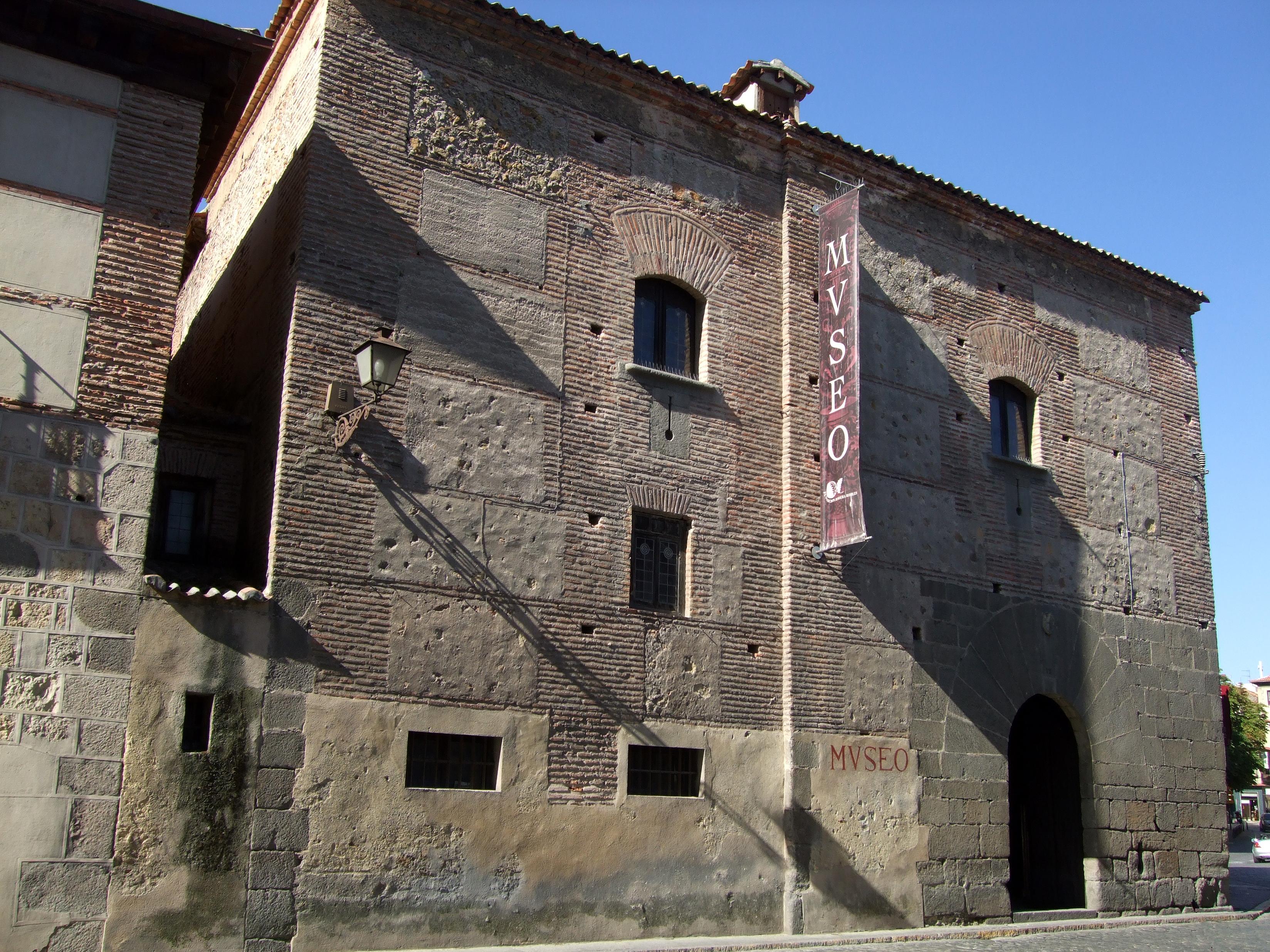
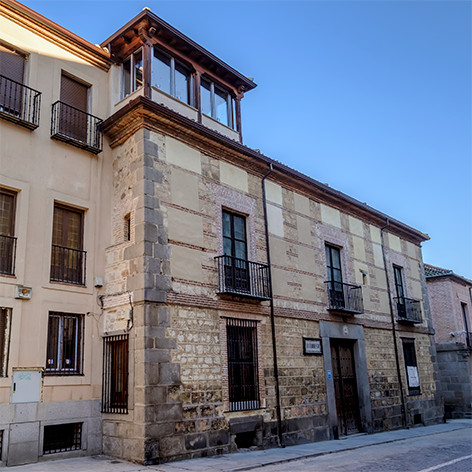
15th century. Palace of the influential family of Jewish converts, the Arias Dávila. Tower decorated with various sgraffito motifs. It retains its original coffered ceilings.Headquarters of the Tax Ag...
15th and 16th centuries. A fine example of Renaissance urban civil architecture. It still bears the coats of arms of the families who built it: Bermúdez de Contreras y del Río.For many years it housed...
The Convent of San Agustín was founded in 1556 by Don Antonio de Guevara y Tapia to serve as a male convent of the Order of Saint Augustine in Segovia. The Augustinians Agustín Castello and Alfonso de...
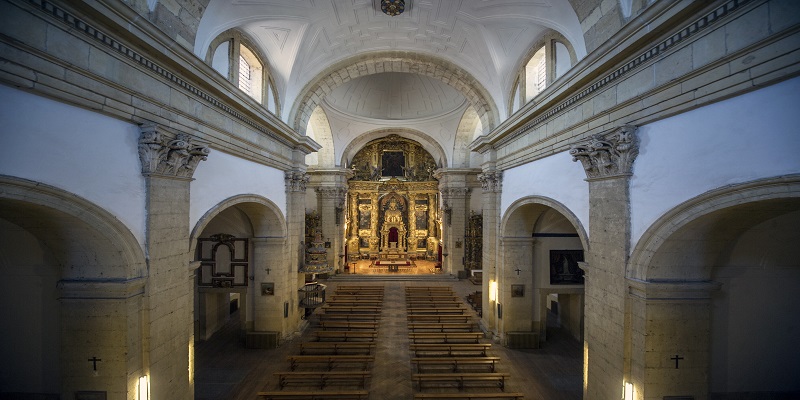
Late 16th century. It follows the Jesuit model of the Church of the Gesù in Rome. It features a central nave with side chapels. The dome is lowered at the crossing. It houses an excellent Baroque alta...
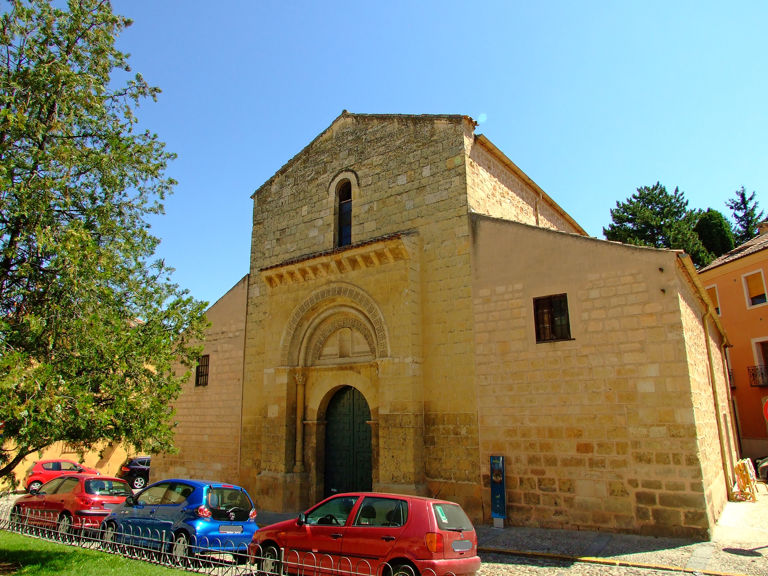
12th–13th centuries. Single-nave structure. The second apse forms part of the bell tower, a common feature in Segovian Romanesque architecture. Baroque altarpiece by Mateo Escobedo (1705)
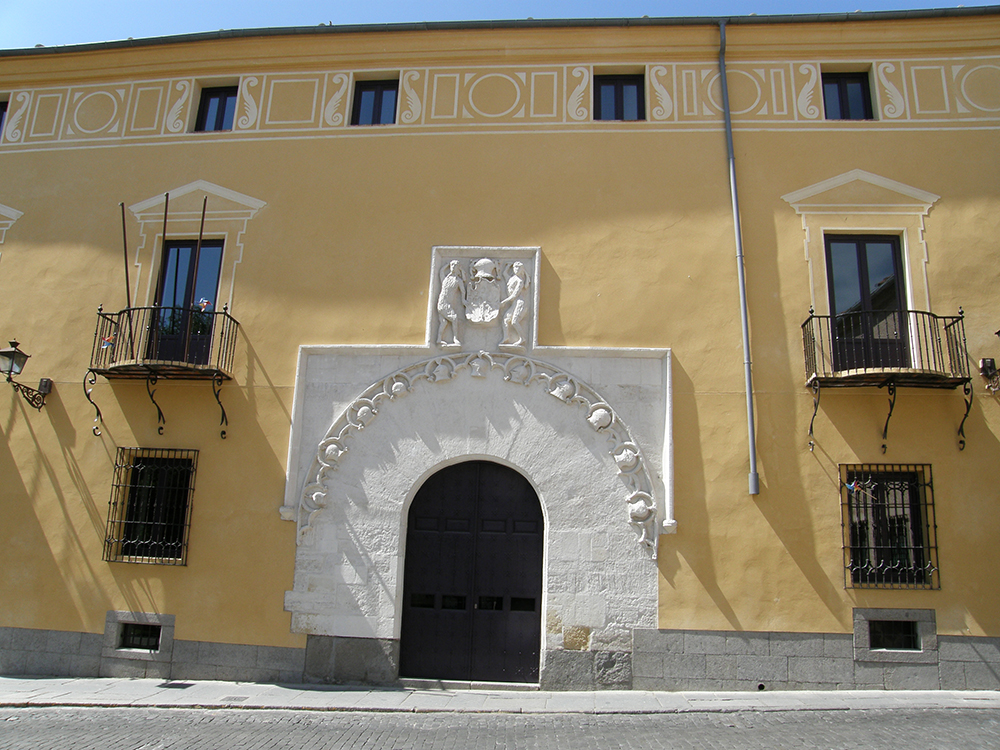
Built by the Marquises of Quintanar in the 15th–16th centuries. The entrance features an interesting decoration of arches and crests. A characteristic Segovian courtyard with columns bearing coats of ...