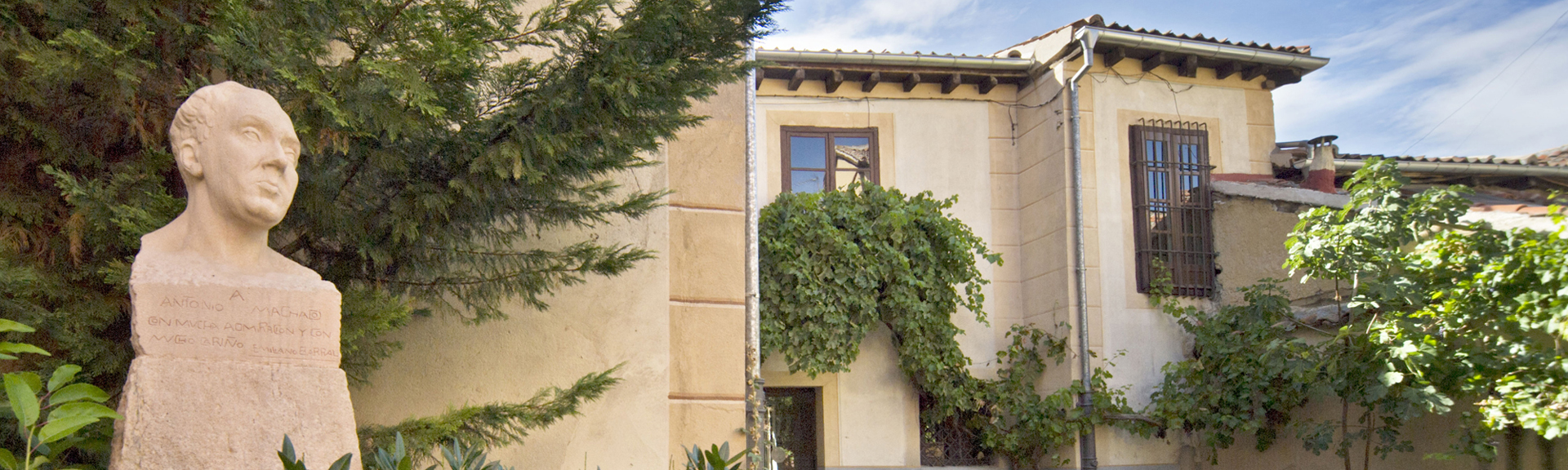
The guesthouse where the poet lived from 1919 to 1931. It retains the furniture and layout of those years. In the entrance garden stands a bust of Machado, a copy by Pedro Barral of the original locat...
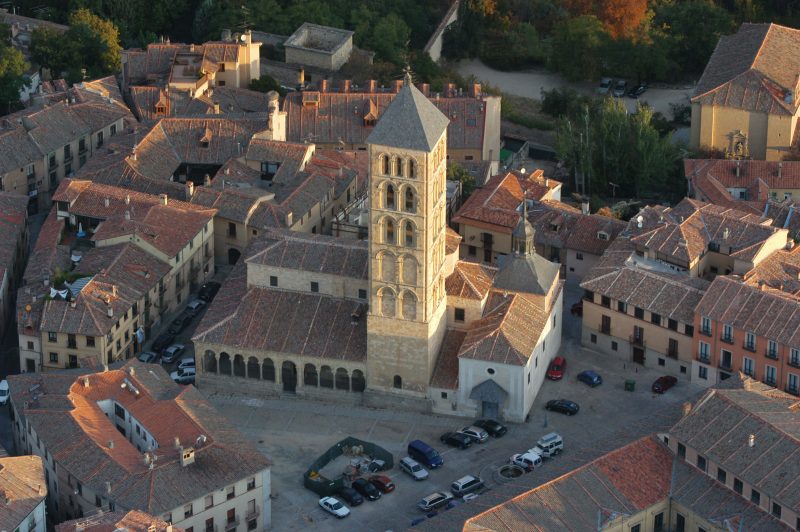
12th–13th centuries. A fine example of late Romanesque architecture, the tower is considered one of the most beautiful of its kind. Following a fire in 1896, it was dismantled and rebuilt in the early...
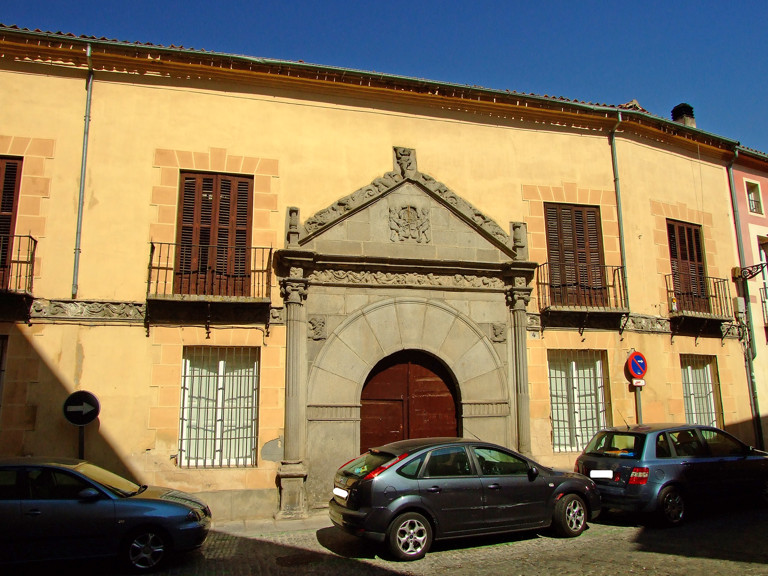
16th century. Formerly the Palace of the Salcedo family, converted into the Bishop’s Palace around 1750, until 1970.A Renaissance rusticated façade, unrivalled in the capital’s aristocratic architectu...
16th century. Plateresque façade. Portal featuring motifs relating to the life of Hercules. It was the home of Don Gonzalo Pérez, secretary to Charles I and Philip II, and previously of Don Diego Enrí...
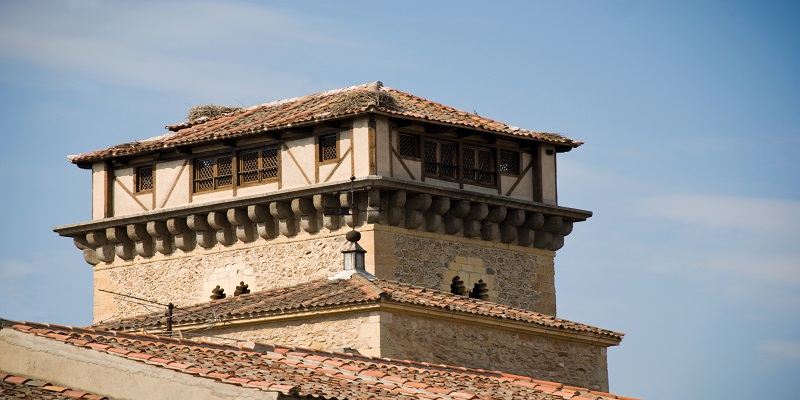
13th–17th centuries. A complex comprising several buildings: the mansion of Peralta and that of Arias de la Hoz, of which the Tower of Hercules (designated a Site of Cultural Interest) formed part; it...
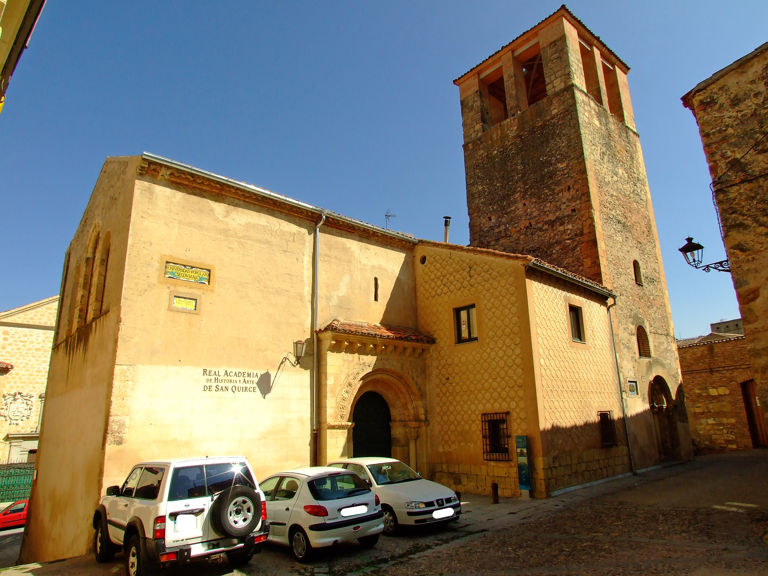
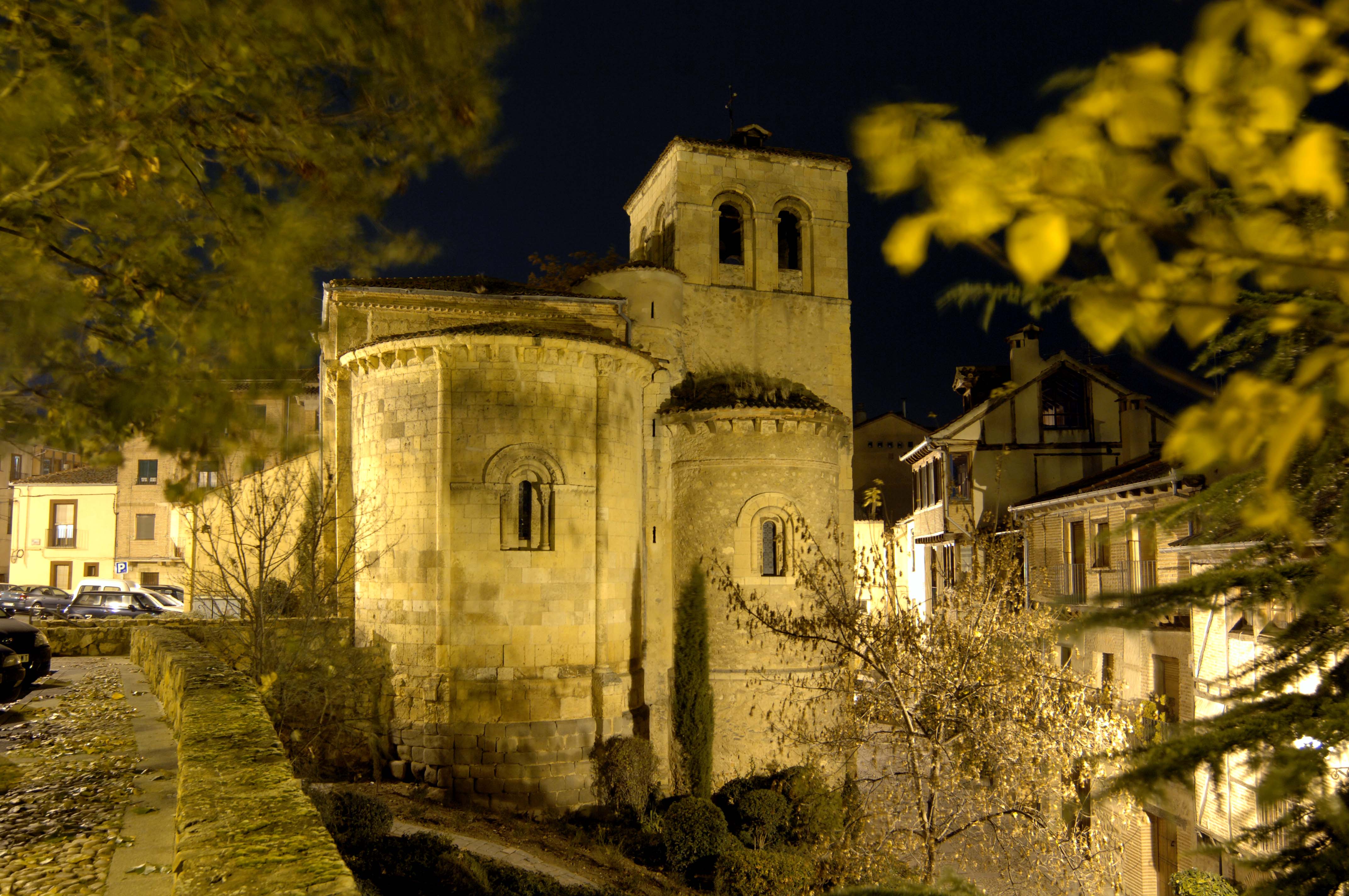
A 12th-century Romanesque church with a single nave ending in a semicircular apse, featuring a semicircular window. Later alterations included the addition of a tower and an adjoining chapel.The façad...
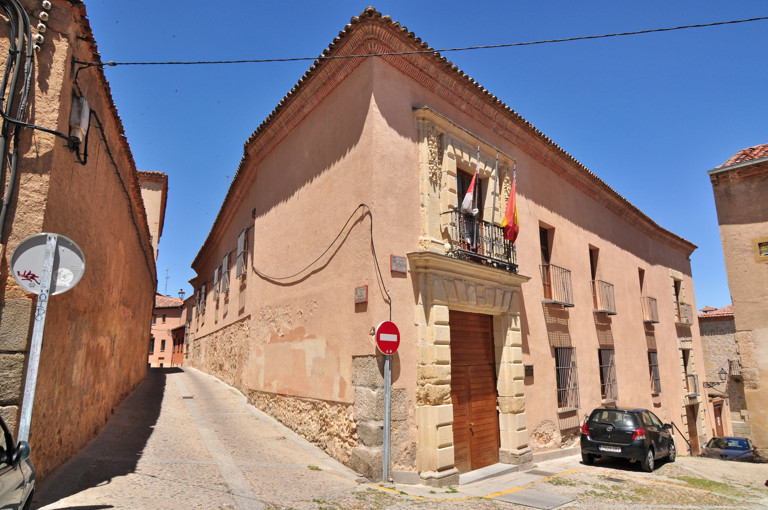
Originally, it consisted of two solidly built houses, possibly dating from the 16th century, which the Knight of Alcántara, Juan de Ortega Lara y Angulo, used to construct, from 1702 onwards, a single...
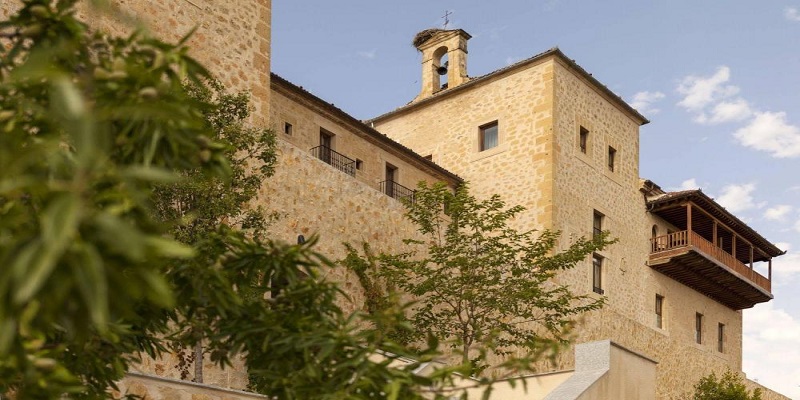
Founded in 1637 by the Counts of Covatillas. The church façade features the founders’ coats of arms and an image of Saint Bonaventure. It served as a convent for the Oblate Sisters until 1996. Before ...
Built between the 12th and 13th centuries, the Church of San Nicolás de Bari is an example of the Segovian Romanesque style.It features a single-nave structure with an apse, and a second apse integrat...
Following the cobbled path of San Nicolás Lane, you come to a peaceful spot where the Church of the Holy Trinity stands, built in the mid-12th century on the site of an earlier church dating from the ...