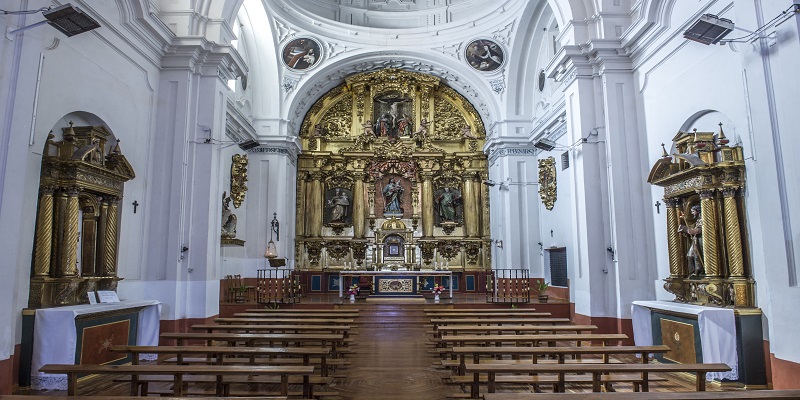
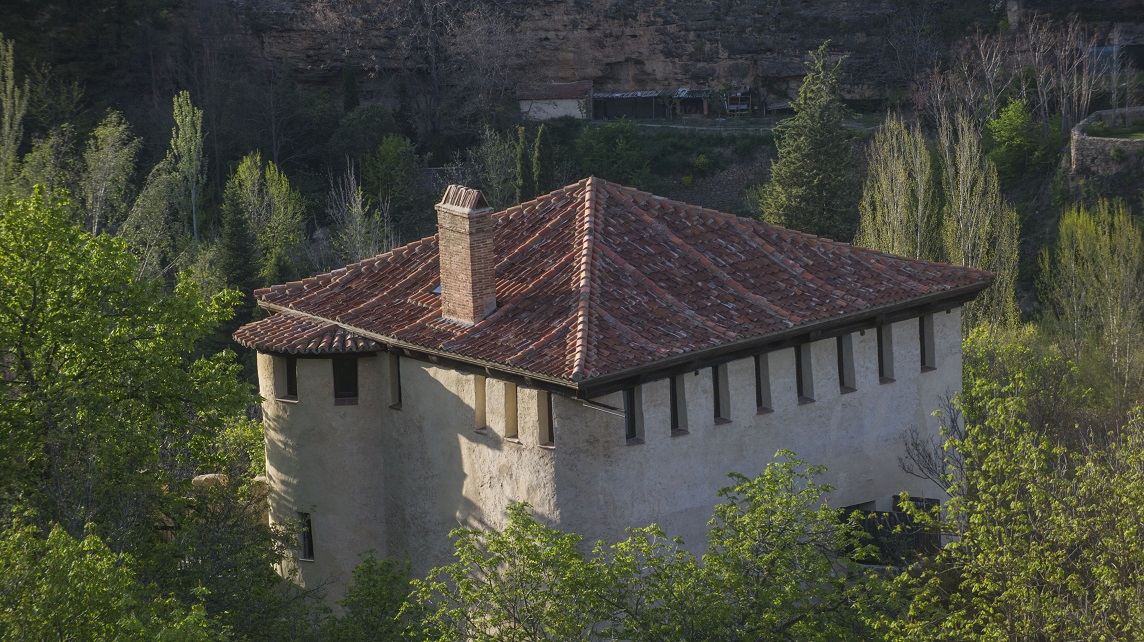
The legacy of the Saint16th–17th centuries. The site where the foundation established by Saint Teresa of Ávila on 19 March 1574 was subsequently relocated (see no. 21).Chapel built by Pedro de Brizuel...
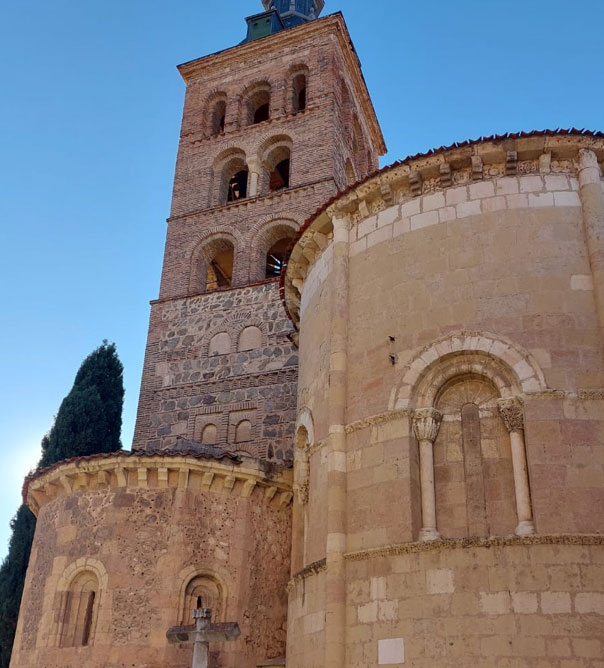
Romanesque body, Baroque soul12th century. A three-nave structure with a chancel featuring two apses. A magnificent brick tower topped with a slate spire. High altarpiece (16th and 17th centuries), wi...
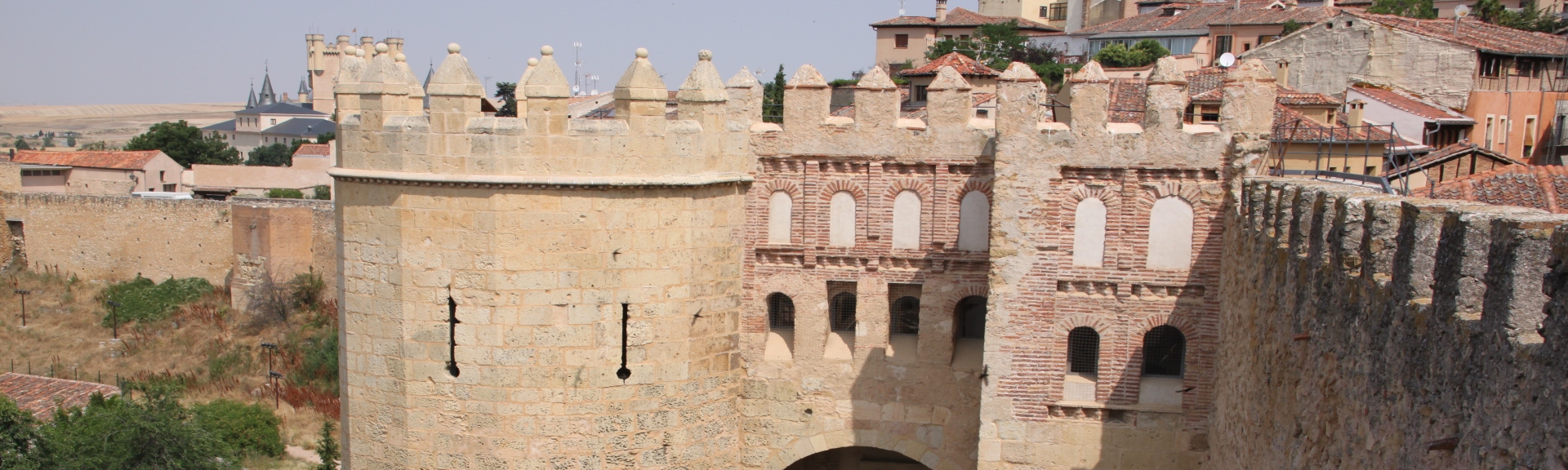
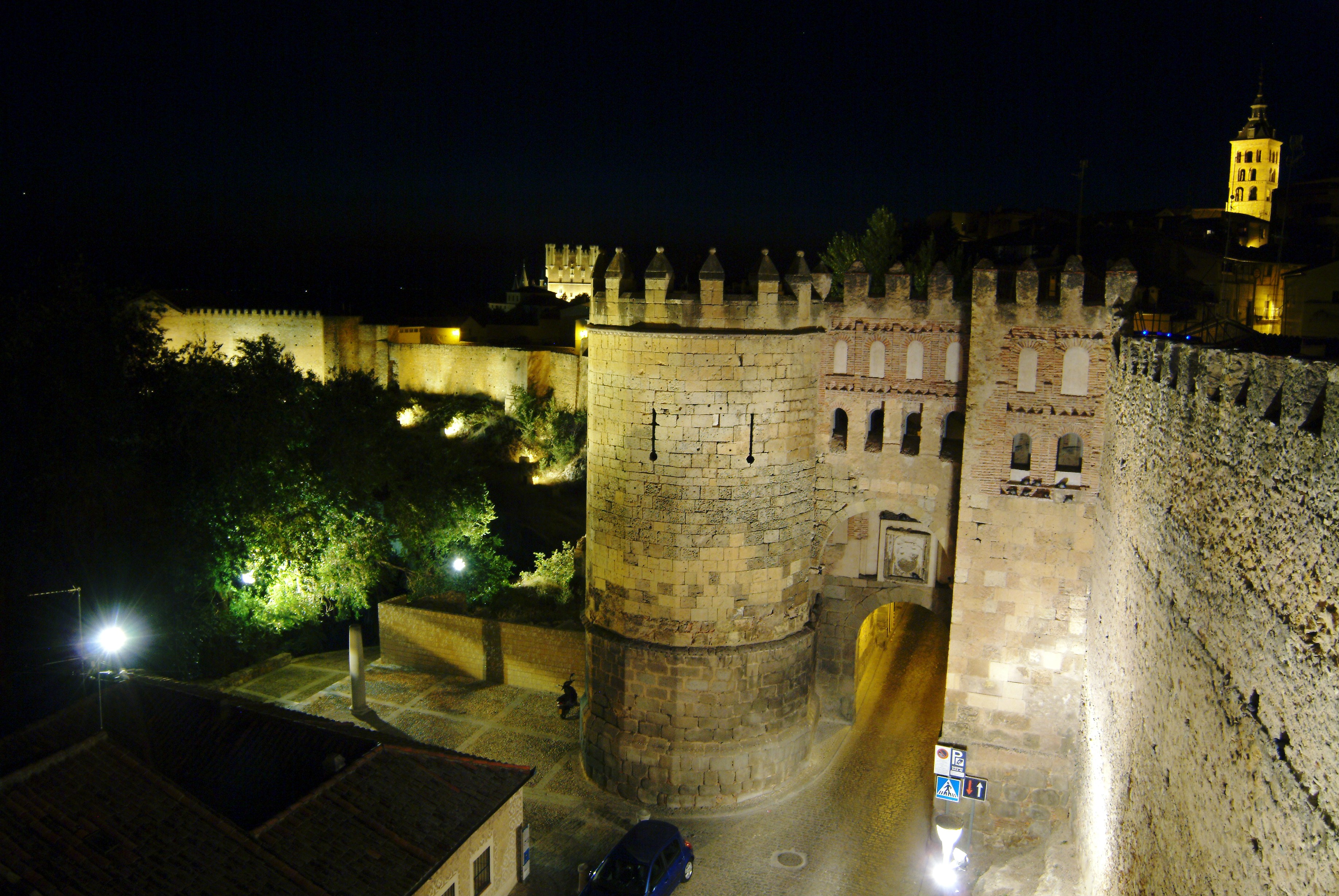
Designated a Site of Cultural InterestAlso known as Puerta o Arco del Socorro. It is one of the three gates that remain in the city walls, which gives it great historical value, although its current a...
Originally, the building was constructed on a trapezoidal section of the city walls themselves. Given its physical layout, which is determined by its location on a rocky outcrop in the upper part of S...
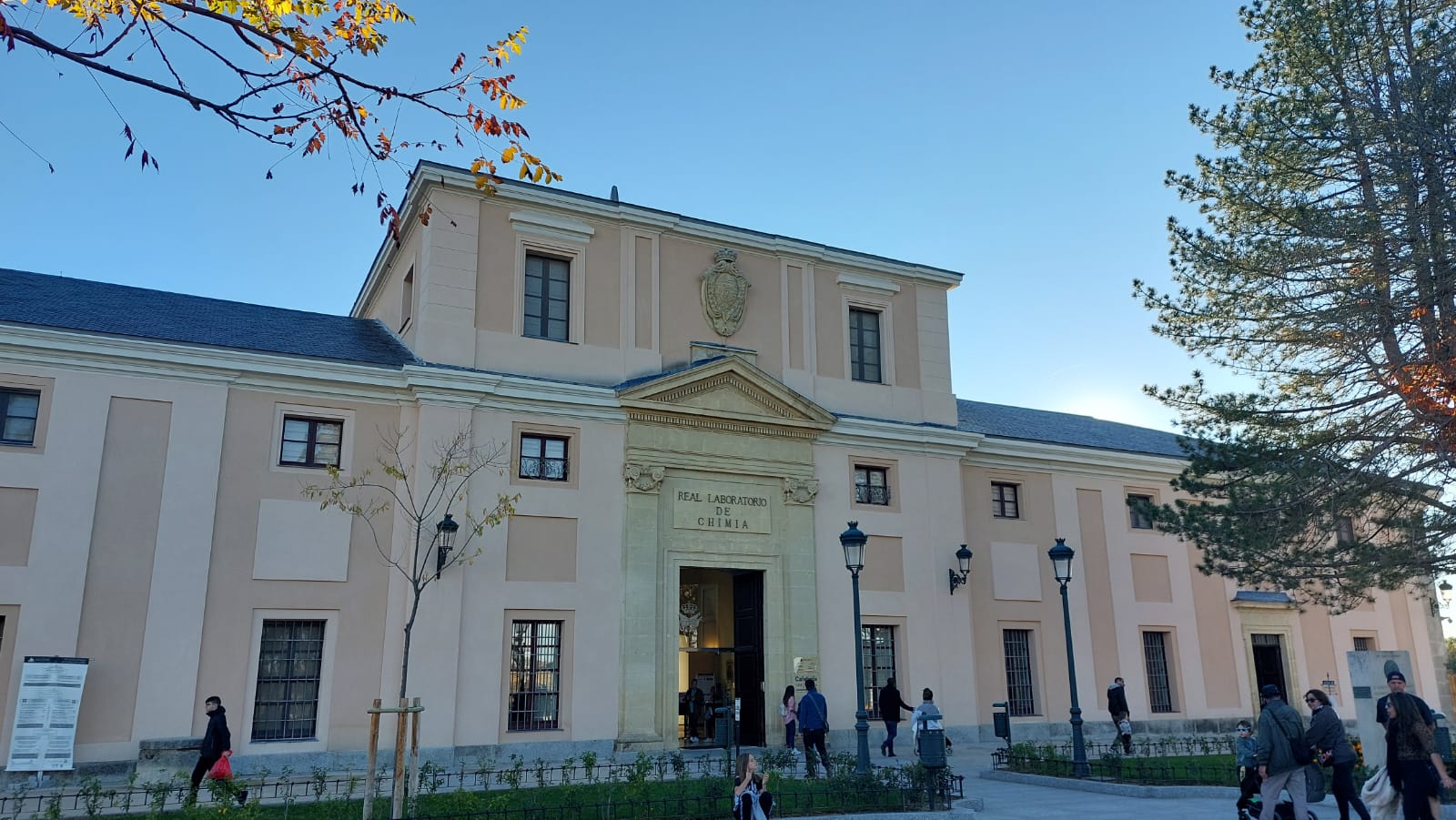
Late 18th century.It was established by Charles III, who placed it at the service of the Royal College of Artillery; it was the first Royal Chemistry Laboratory in Spain, and it was here that the Fren...
The Royal Alcázar of Segovia, the city’s symbol, is a medieval castle with breathtaking views, which served as a royal residence, fortress and prison, situated on a promontory between the rivers Eresm...
The Puerta de la Claustra is situated on Calle de Velarde and served as the entrance to Segovia’s Claustra or Canonjías quarter, the residence of the cathedral canons until 1570. It is the only one re...
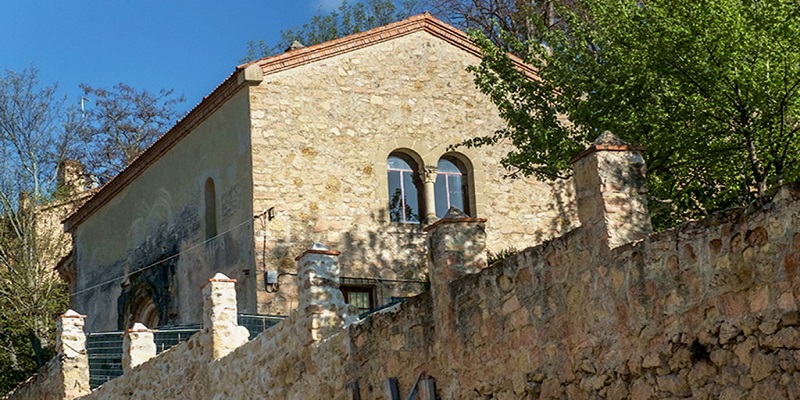
Casa Vaquero is one of the best-preserved examples of Romanesque civil architecture in Segovia, located in the Canonjías neighbourhood.Featuring a Romanesque structure and 16th-century Mudejar timber ...
This is one of the Gates in the Wall of Segovia, known in 1122 as the Puerta de Rodrigo Ordoñez.In the mid-13th century, it acquired its current name from the nearby church dedicated to St James, whic...
12th century. A unique Romanesque church dedicated to San Pedro ad Vincula, notable for its original bell tower topped with corbels, which eventually gave the church its name.Its bell used to sound th...