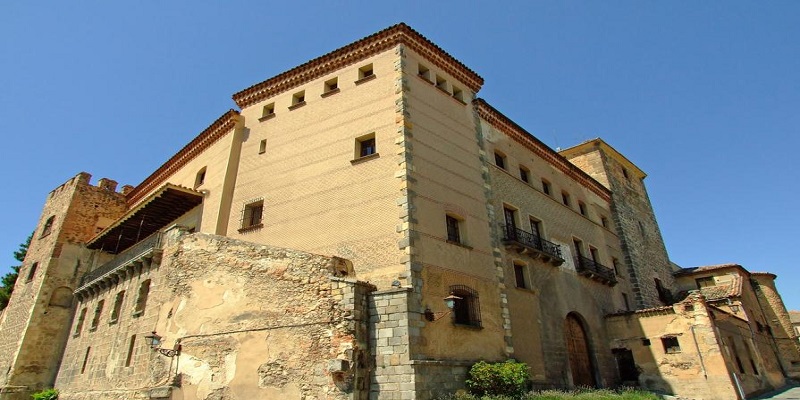
13th–15th centuries. A fortified house belonging to the Counts of Chinchón and Marquises of Moya, Andrés Cabrera and Beatriz de Bobadilla. It guarded the Puerta de San Juan, which was demolished in 18...
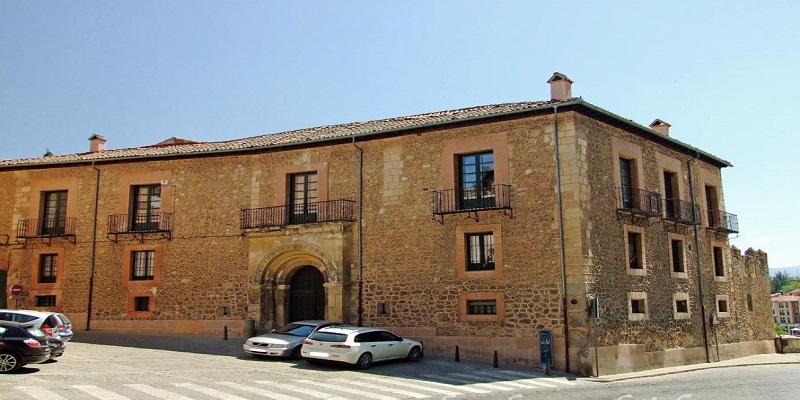
13th–15th centuries. It belonged to the entailed estate of the Cáceres family.The main façade is one of the most significant examples of Romanesque architecture in Segovia, featuring archivolts and de...
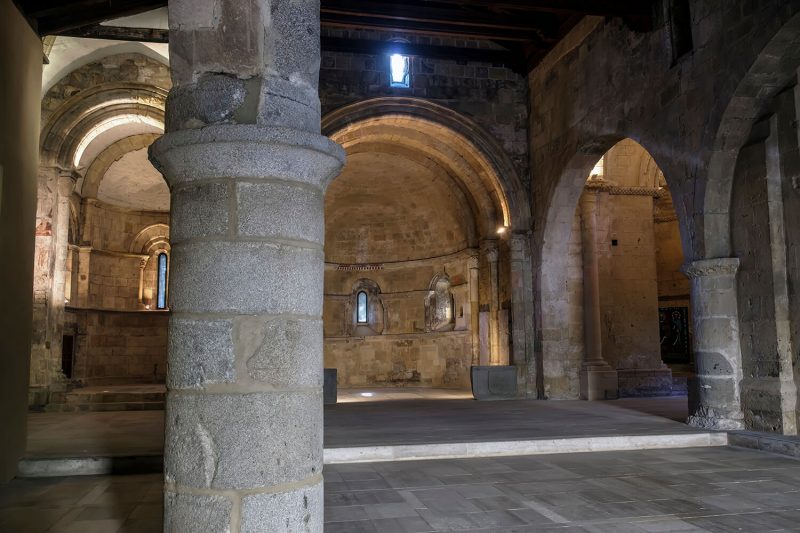
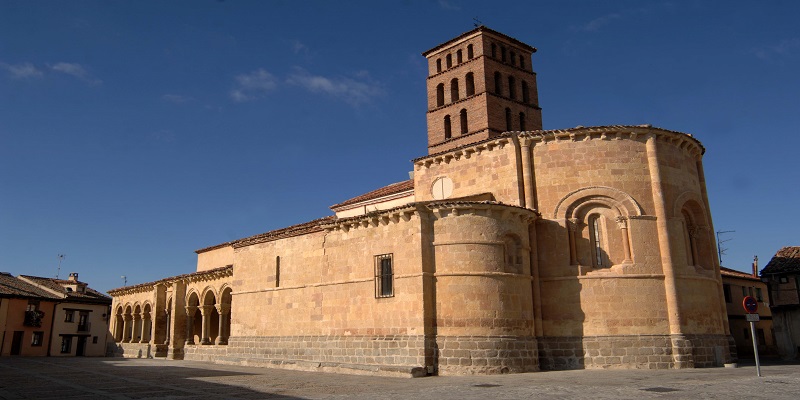
This majestic church is a gem of Romanesque architecture that captivates visitors with the harmony and elegance of its design.Built between the 11th and 13th centuries, it has a basilica-style layout ...
12th–13th centuries. Possibly built on the site of an earlier church. A single-nave structure with three apses. It houses an interesting Renaissance triptych and coffered ceiling.
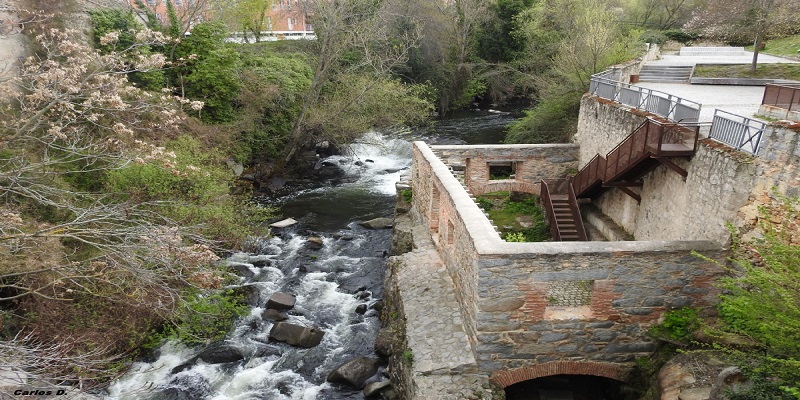
First recorded in 1489, it was converted into a flour mill in the 19th century. Following its partial demolition in 1975, its walls and some of the machinery were restored in 2010.It is an example of ...
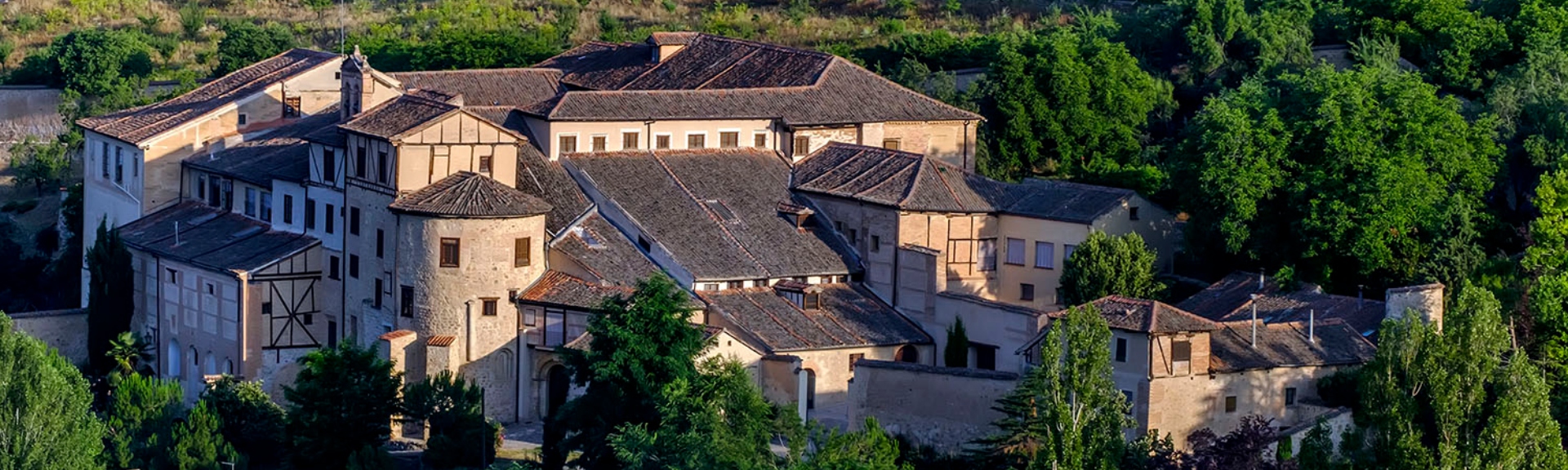
12th–17th centuries. Its location on a steep slope determines the layout of the buildings surrounding the cloister.It is believed to have pre-Romanesque origins, but its external appearance is the res...
13th–15th centuries. A Romanesque-style Dominican convent, the first of its kind for men of the order, founded by Saint Dominic of Guzmán during his stay in Segovia at Christmas 1218. Rebuilt and exte...
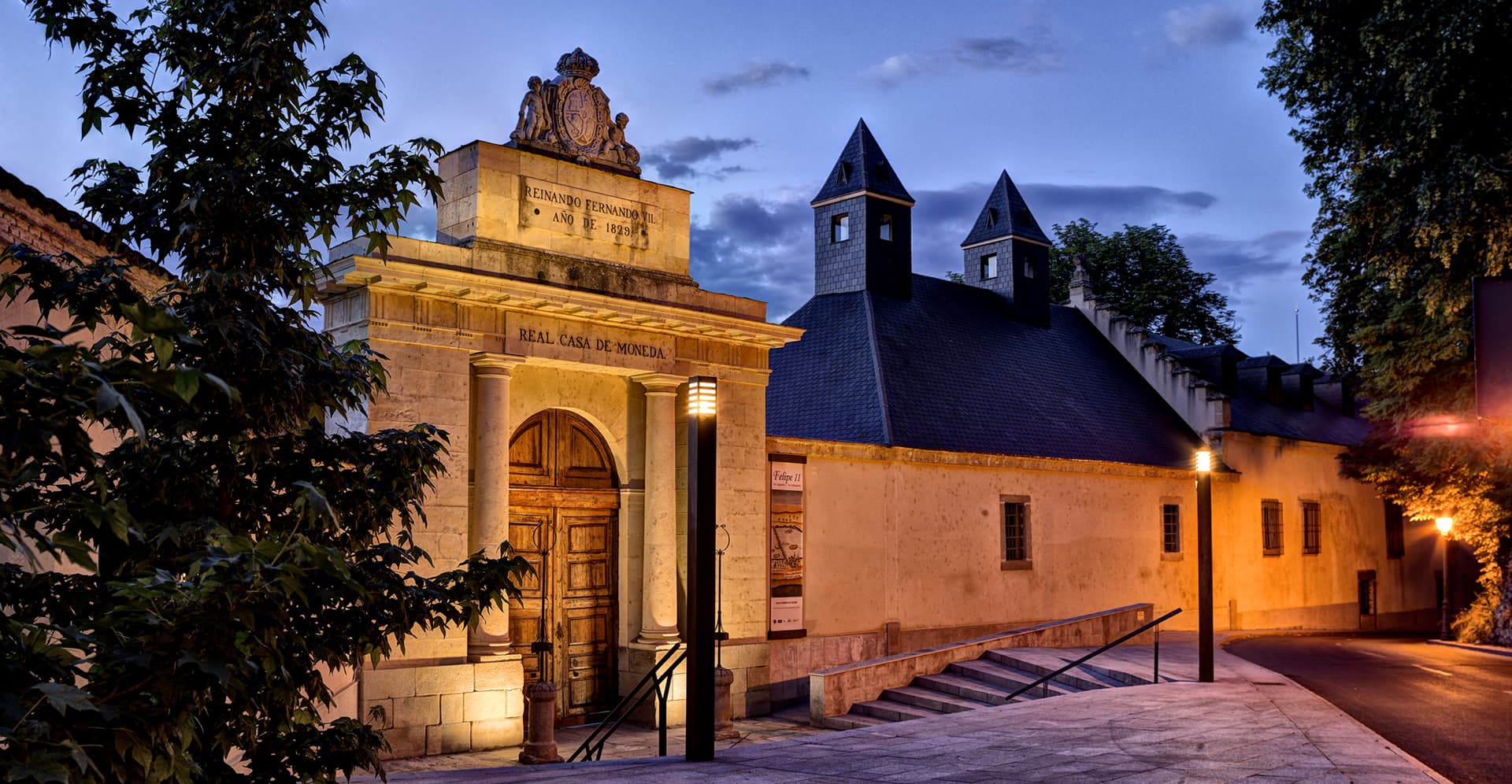
16th–18th centuries. One of the oldest examples of industrial architecture in Europe. Founded in 1583 by Philip II to the designs and under the supervision of Juan de Herrera. Spain’s first mechanised...
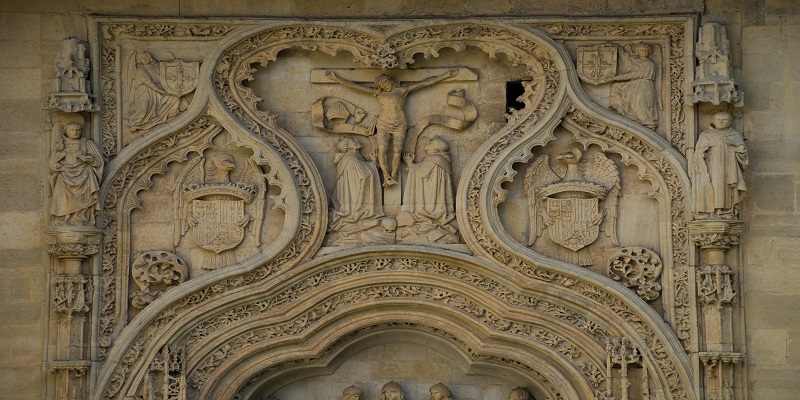
This monastery, commissioned in 1447 by Henry IV—although legend attributes its foundation to his favourite Juan de Pacheco, Marquis of Villena—is a complex of buildings arranged around several cloist...