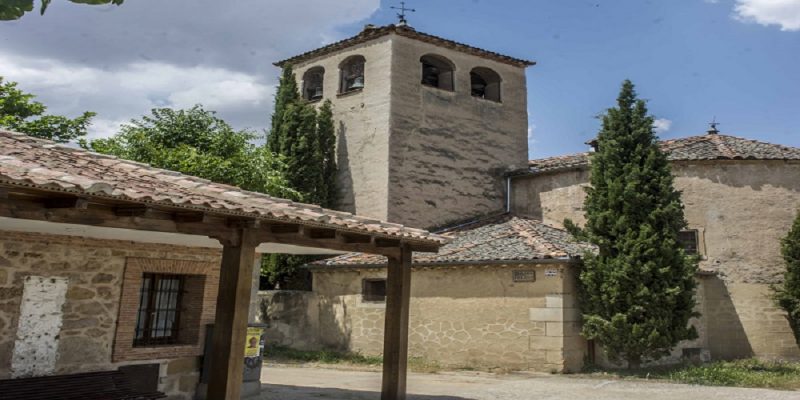
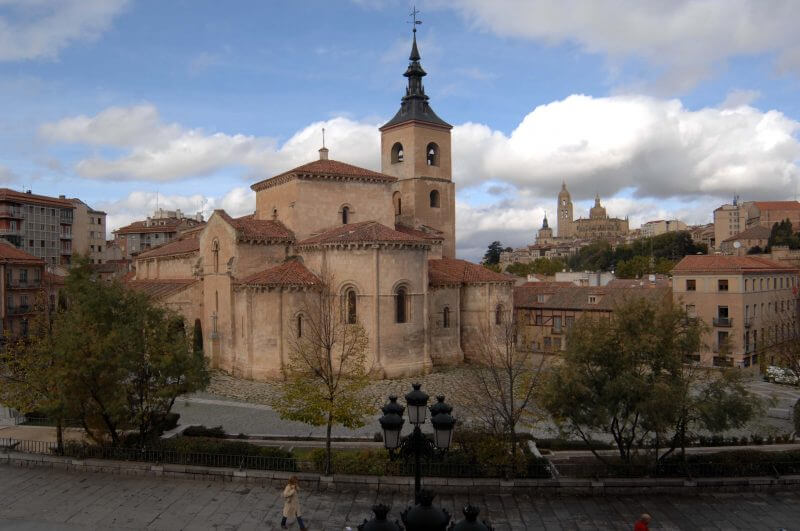
12th century. Consisting of a single nave and an apse. It houses a statue of Christ on the Cross, originally from the Monastery of El Parral, which is carried in procession during Holy Week.
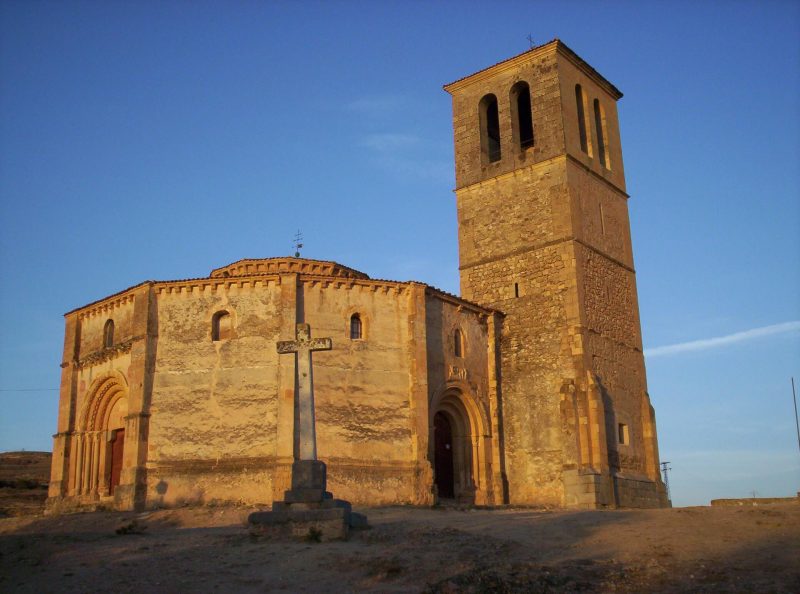
On the road to Zamarramala stands the Church of La Vera Cruz, founded by the Knights of the Order of the Holy Sepulchre in 1208, although popular tradition has, since time immemorial, attributed it to...
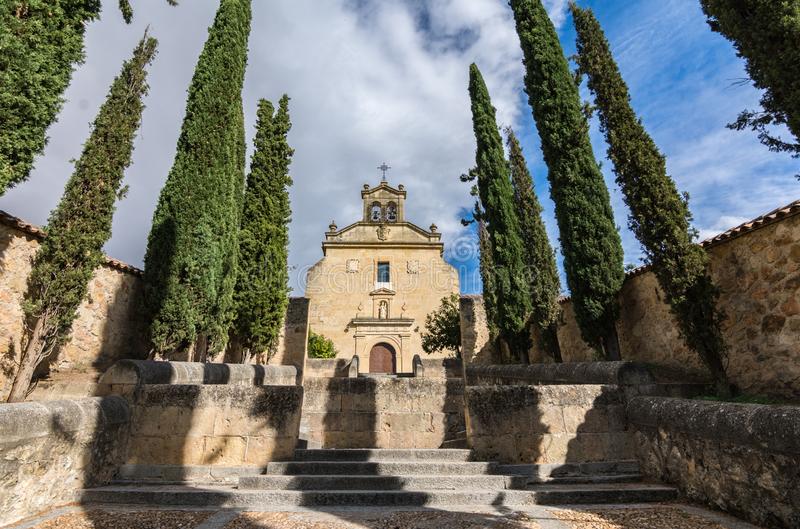
16th century. Founded by St John of the Cross in 1586, who helped to build it with his own hands. It houses his tomb, which was visited by Pope St John Paul II in 1982.A cypress tree remains, which, a...
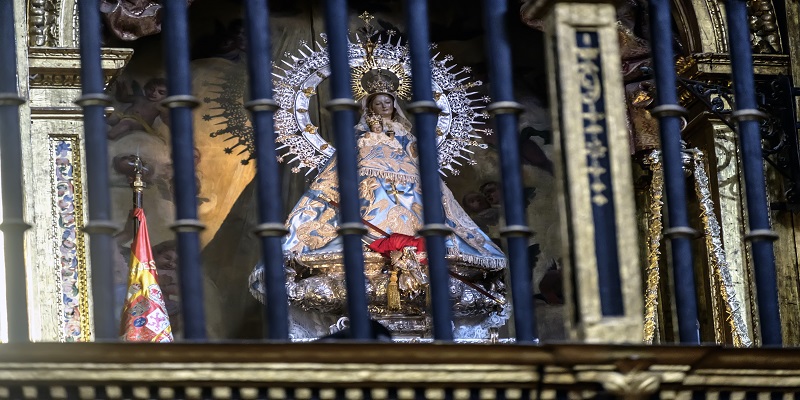
Patron Saint of the Community of the City and Lands of Segovia. Built between 1598 and 1613 by Francisco de Mora, as the Renaissance extension of the original medieval chapel on the site had become to...
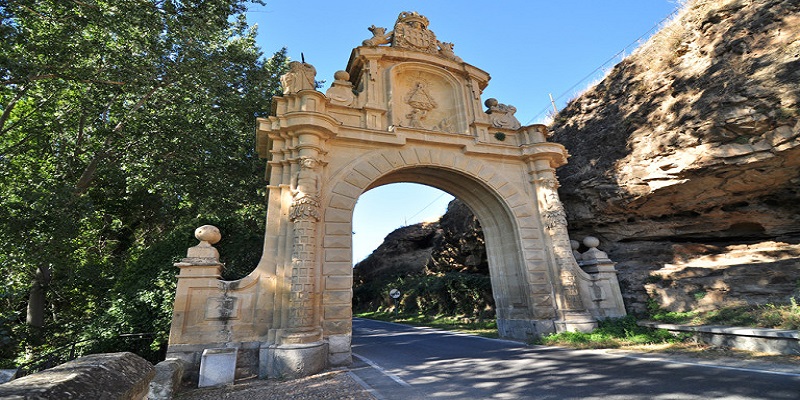
A monumental arch built around 1700. On the outside is a statue of Saint Ferdinand; on the inside, a relief depicting the miracle of María del Salto, which tells the story of a young Jewish woman’s co...
This building stands on the site of the former medieval mill, which is no longer extant but is mentioned in a document dated 1136 held in the Cathedral archives. The document highlights its historical...
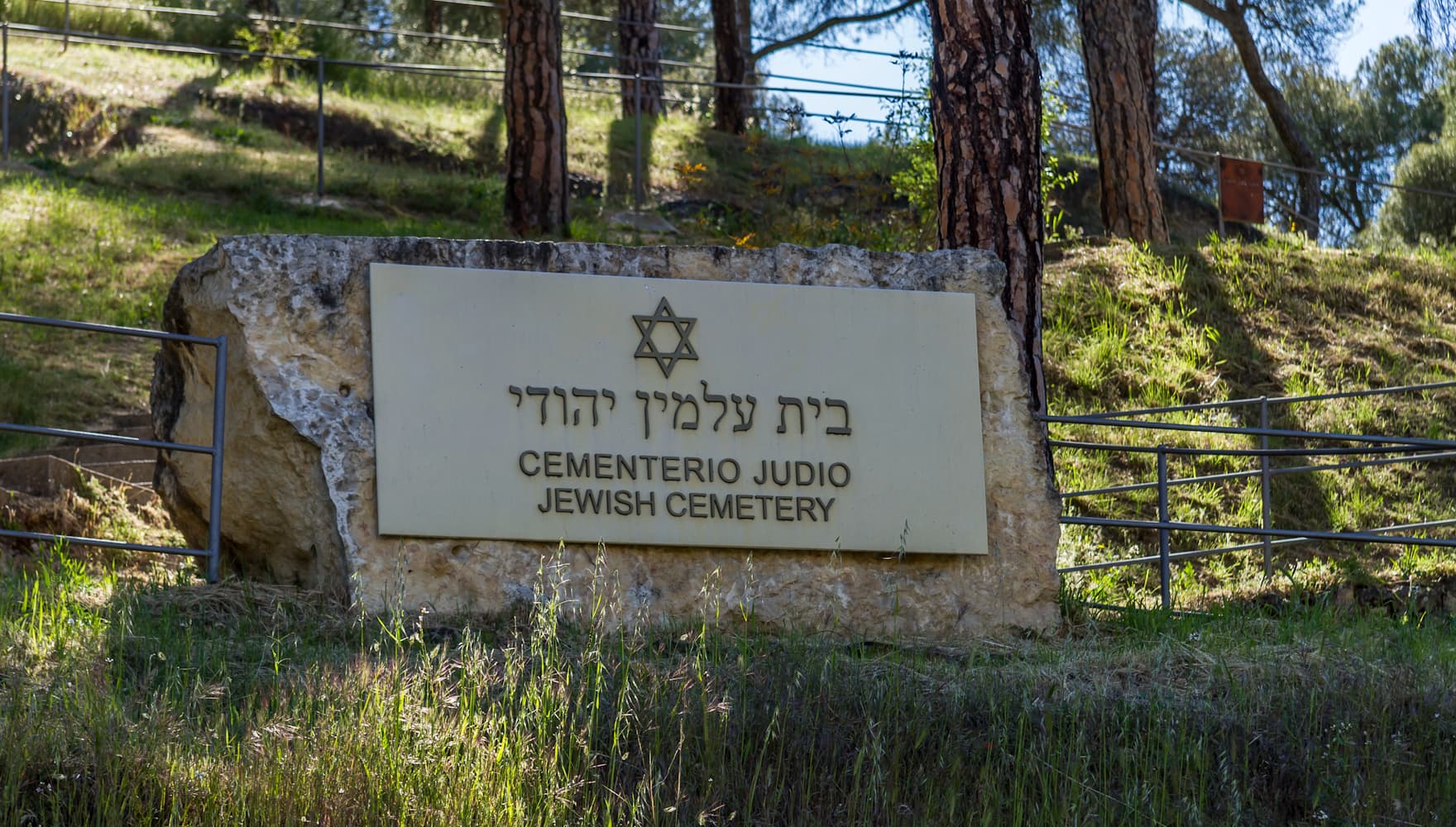
The Jewish cemetery was situated on the left bank of the Clamores stream and covered the walled area between the Puerta de San Andrés and the Casa del Sol. It stretches across a hill known as “el Pina...
A temple of the utmost importance, serving as a model for the Romanesque churches of Segovia, as it incorporates all their characteristic features, such as Islamic influence (decoration and Caliphate-...
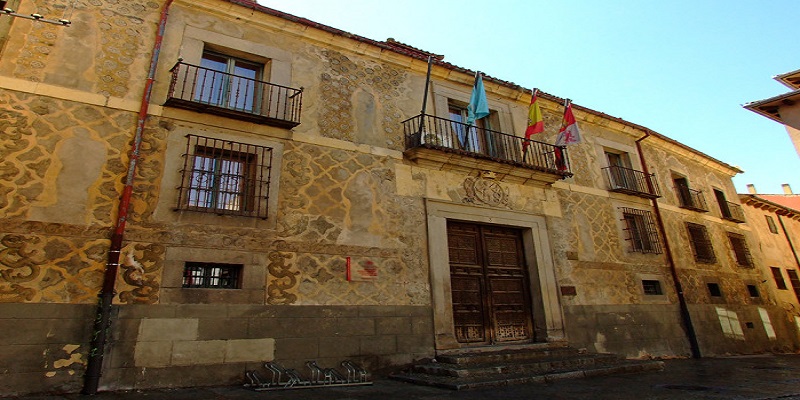
15th–16th centuries. A Renaissance palace that is a perfect example of a Castilian mansion. Ignacio Zuloaga initially set up his studio here.It is currently a hotel.
Built in the mid-18th century by José de la Calle, a surveyor for the royal works at the Royal Farm of San Ildefonso. It served as a meeting place for the representatives of the Community of the City ...