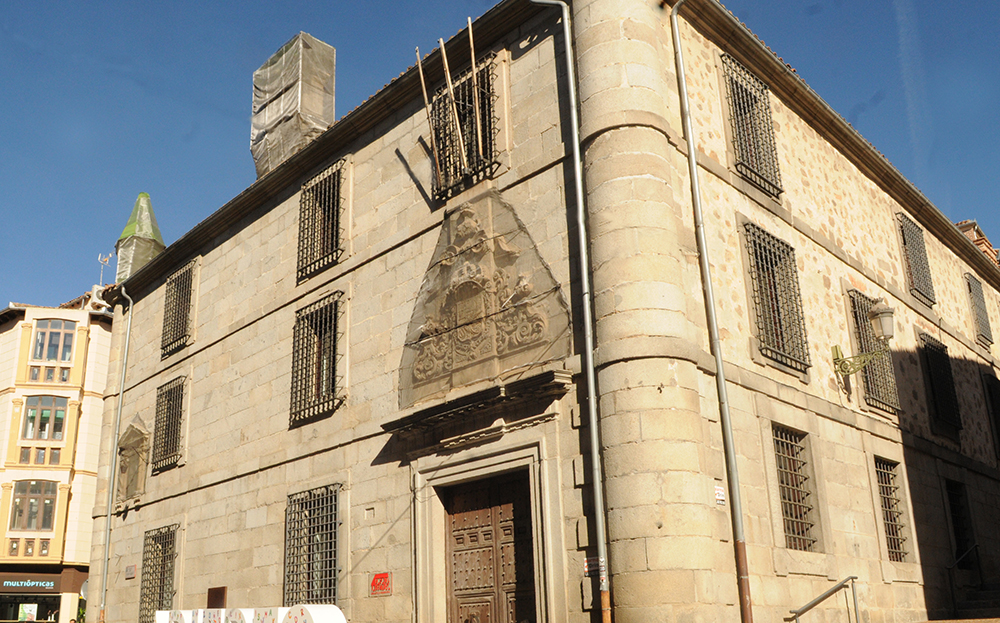
18th century. The town’s public prison until the early 20th century.Its décor, which is very austere due to its former use, features the coat of arms of the Habsburgs on the façade, which has been dec...
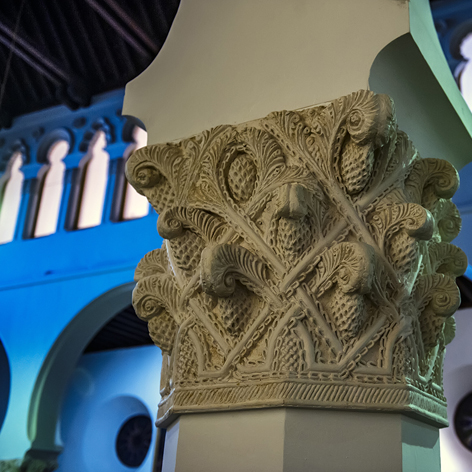
The present-day Church of Corpus Christi was formerly the Great Synagogue of Segovia. The exact date of its construction is unknown, but recent studies suggest it was built around the 14th century.Thi...
Rabbi Abraham Seneor is one of the most important figures in the Castilian Jewish community during the Middle Ages and the most significant in the entire history of Segovia’s Jewish quarter.Abraham Se...
The school of the Jesuit Sisters occupies the site of the former Ibáñez de Segovia Synagogue, also known as the New Great Synagogue, which in 1419 replaced the building previously known by that name, ...
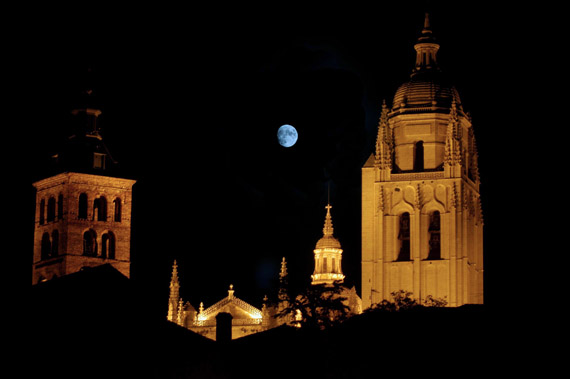
The Lady of the CathedralsIts full name is Cathedral of Our Lady of the Assumption and Saint Frutos.Built in the late Gothic style, construction began in 1525 with the voluntary support of the people ...
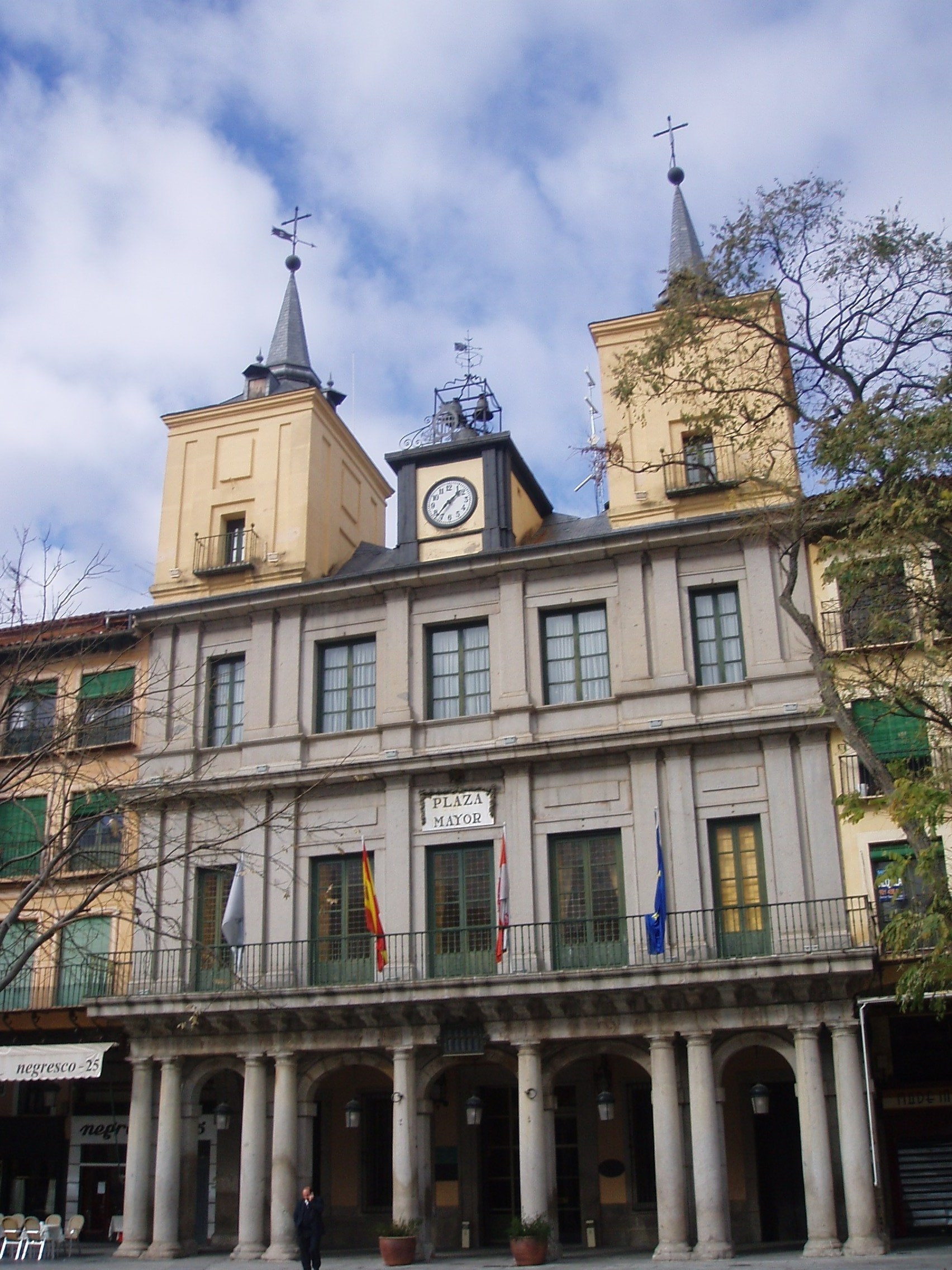
Where the local council is basedA building erected by Pedro de Brizuela in the early 17th century in the Herrerian style. It provided a permanent home for the council, which used to meet in the atrium...
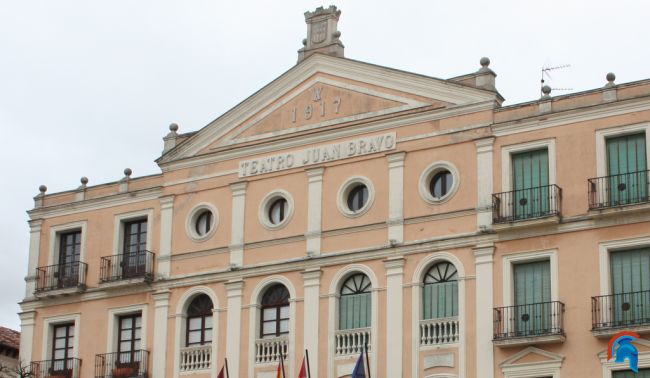
Designated a Site of Cultural InterestConstruction of the theatre began in 1915. Its layout follows the style of Italian Baroque theatres, comprising three successive spaces: the rectangular foyer, th...
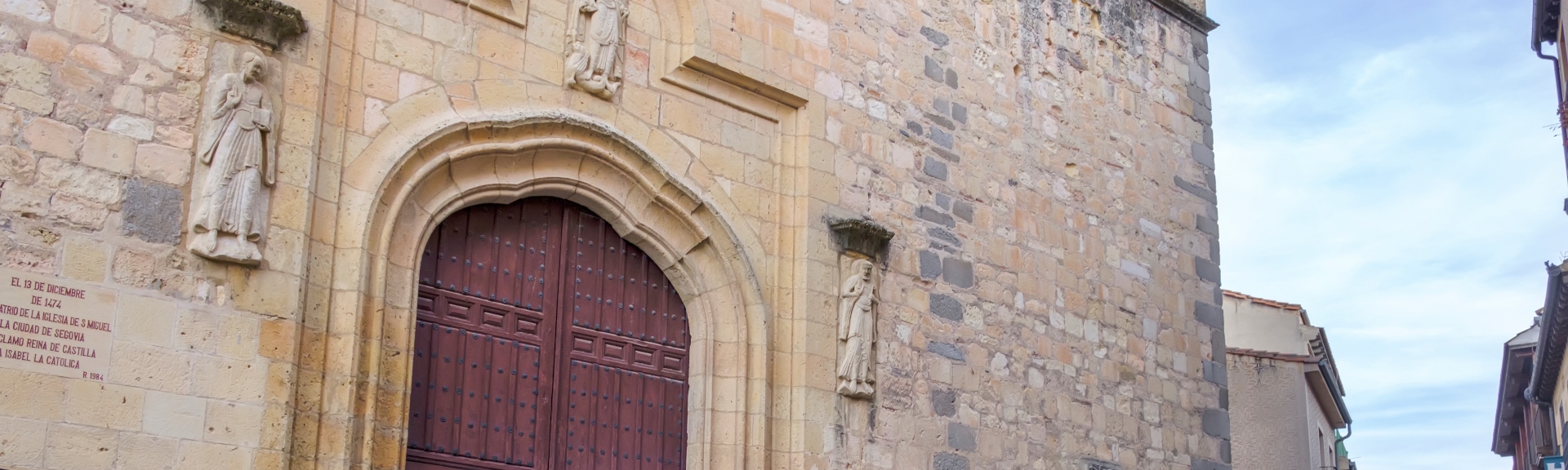
Declared an Asset of Cultural Interest.16th century. A single-nave structure with a flat chancel. Chapels between buttresses. Baroque altarpiece by José Ferreras (1672). Burial chapel of Dr Andrés Lag...
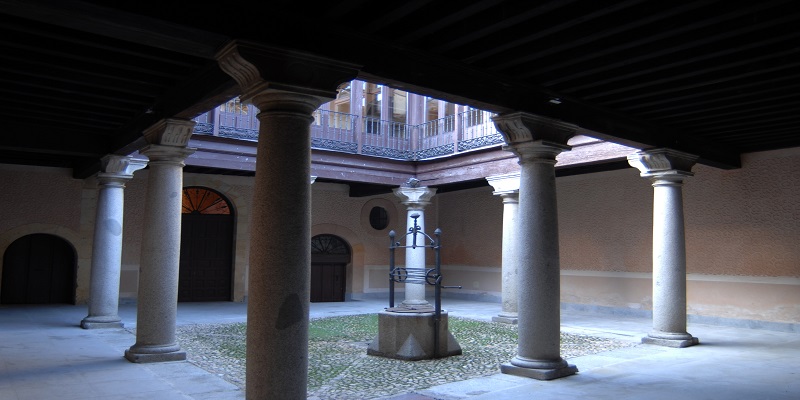
Plateresque opulence16th century, possibly by Rodrigo Gil de Hontañón.Philip II gifted the property to Cardinal Diego de Espinosa in 1567, but he sold it to the Marquises of Prado five years later. In...
Designated an Asset of Cultural Interest.In 1574, it was the site of the original foundation of the Discalced Carmelites by Saint Teresa of Ávila, who later moved to their current location on the same...