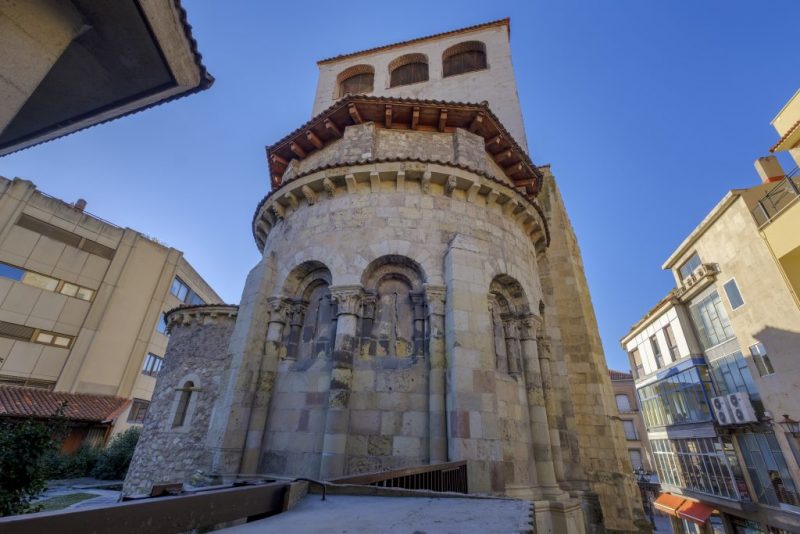
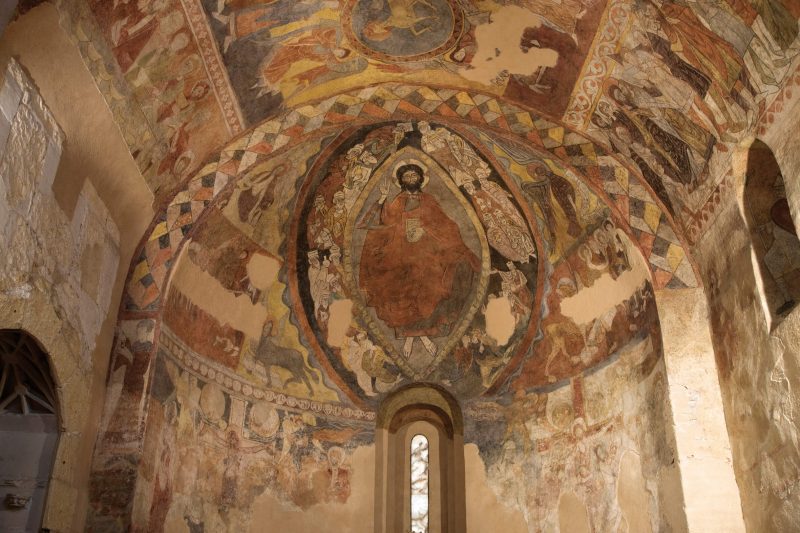
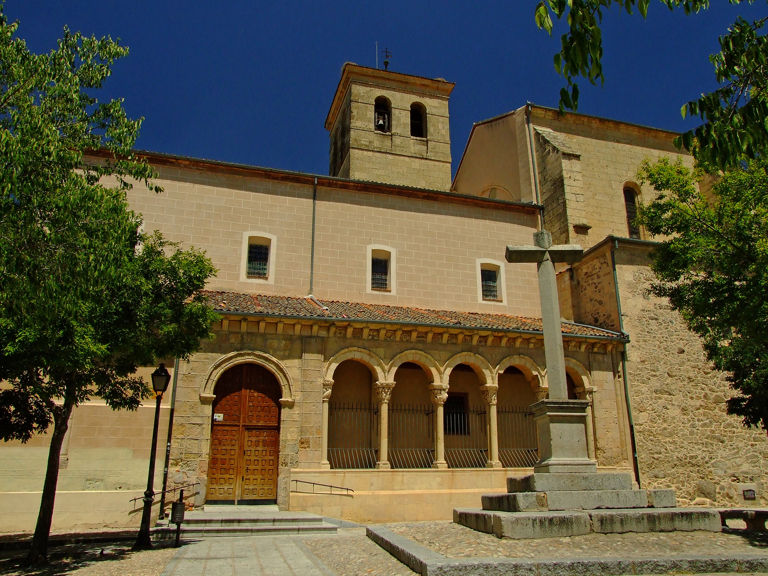
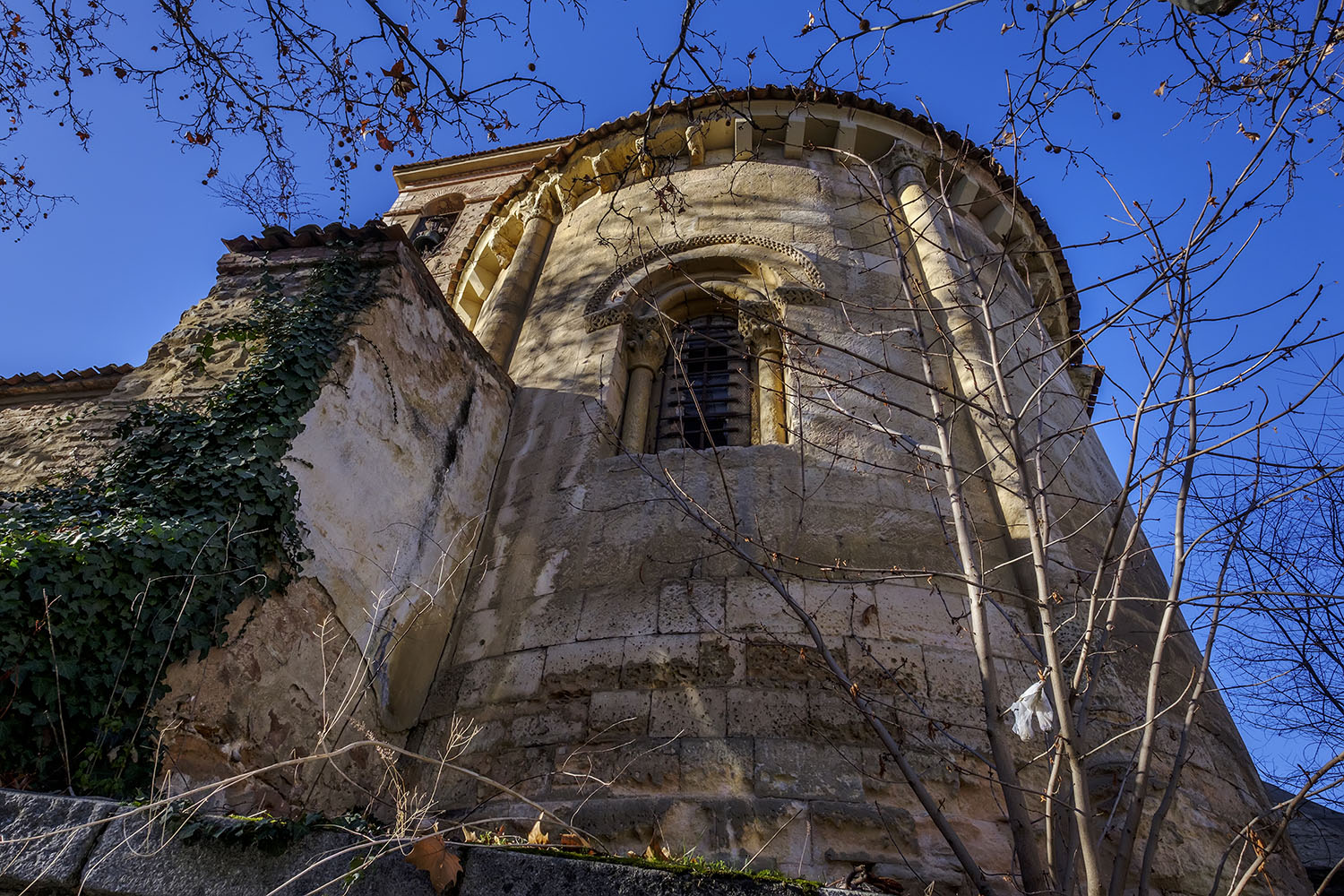
12th–13th centuries. A single-nave structure with an apse. The second apse forms part of the narthex that runs along the south façade. Interesting wall paintings (13th century).
Inside, the cloth was stamped with the city’s coat of arms. The quality achieved by Segovian textiles was remarkable; in the 18th century, the Royal Factory of Superfine Cloth of the Company was estab...
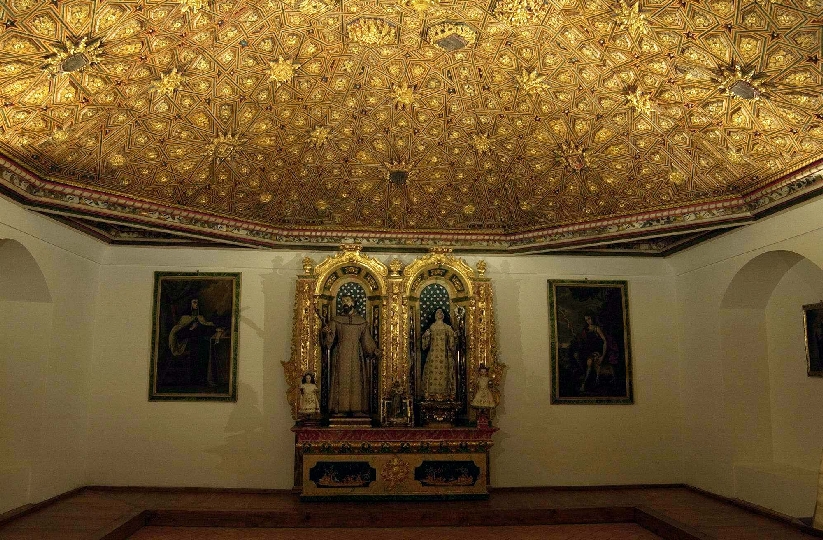
15th–19th centuries. It was founded following the visit made by St Francis to the Iberian Peninsula around 1220. Built on the site of the former parish church of St Benedict. It still retains its Eliz...
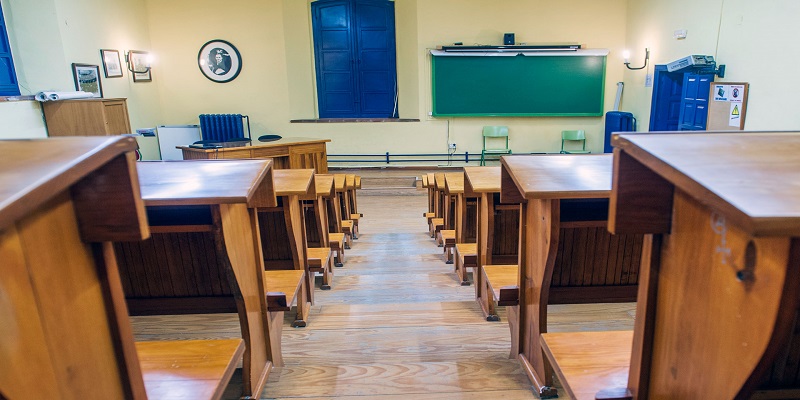
When the poet arrived in Segovia, he taught at the General and Technical Secondary School. A classroom bearing his name still stands, featuring characteristic benches at various heights and a 19th-cen...
Dating from the 13th century, it is a single-nave structure with an apse-shaped chancel, featuring one of the few sculpted tympanums in Segovian Romanesque architecture, a slender tower and some valua...
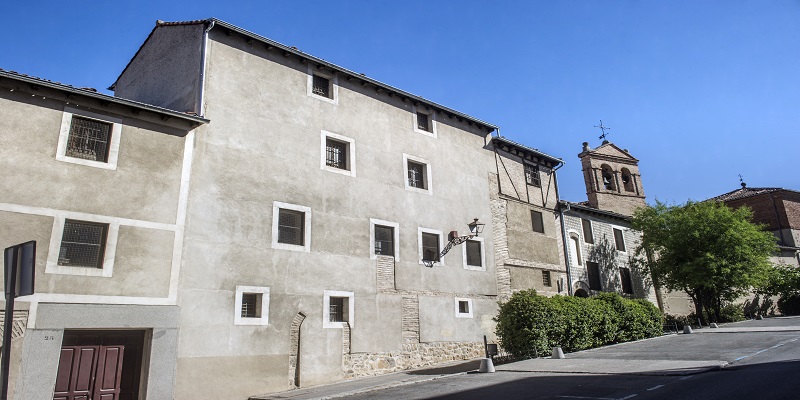
16th century. Originally the Convent of the Incarnation, home to Augustinian nuns, it was joined in 1592 by the community from the Convent of Humility, of the same order.Simple building materials can ...
Henry IV, who had a hunting lodge here, donated it to the Franciscans in 1455; when they left in 1488, it was taken over by the Poor Clares. At an angle to the Plateresque façade, adorned with the pra...
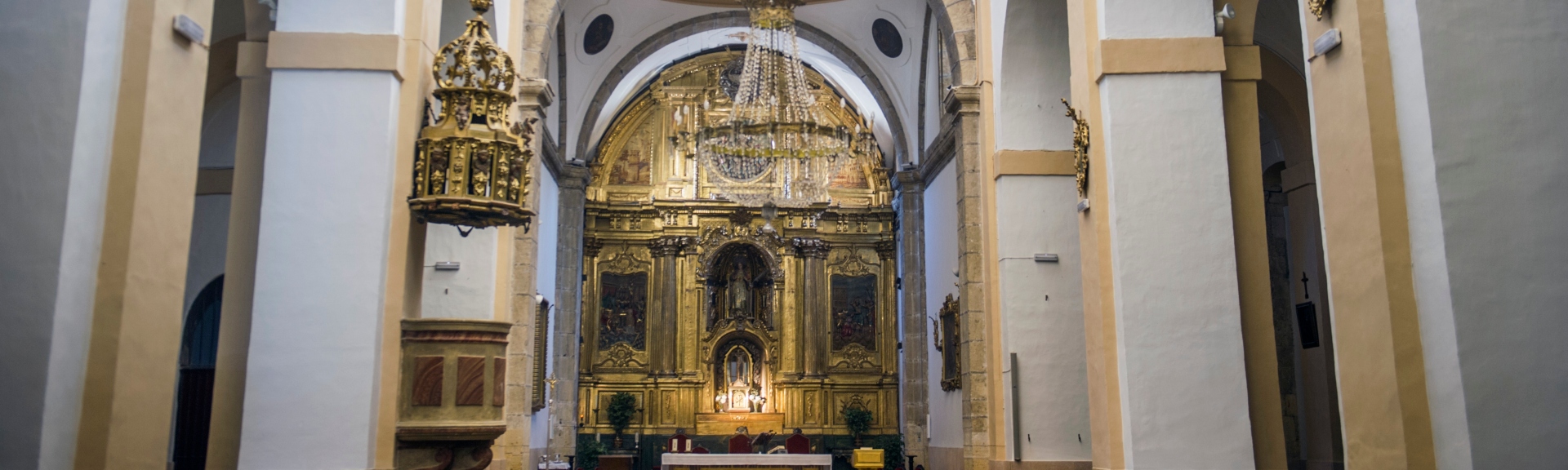
13th century. A single-nave structure with an apse at the east end. Romanesque remains can be seen in the apse and the north door. Notable Baroque plasterwork. Altarpiece dating from 1759.