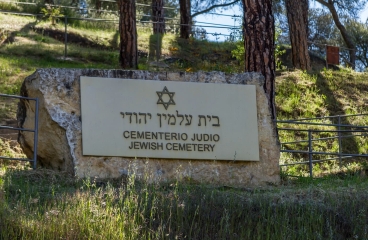
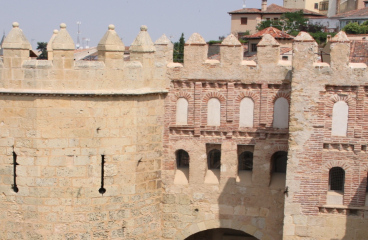
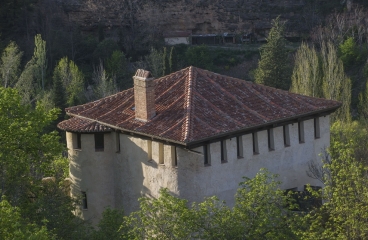
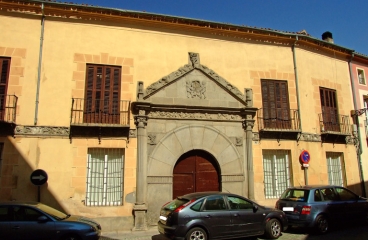
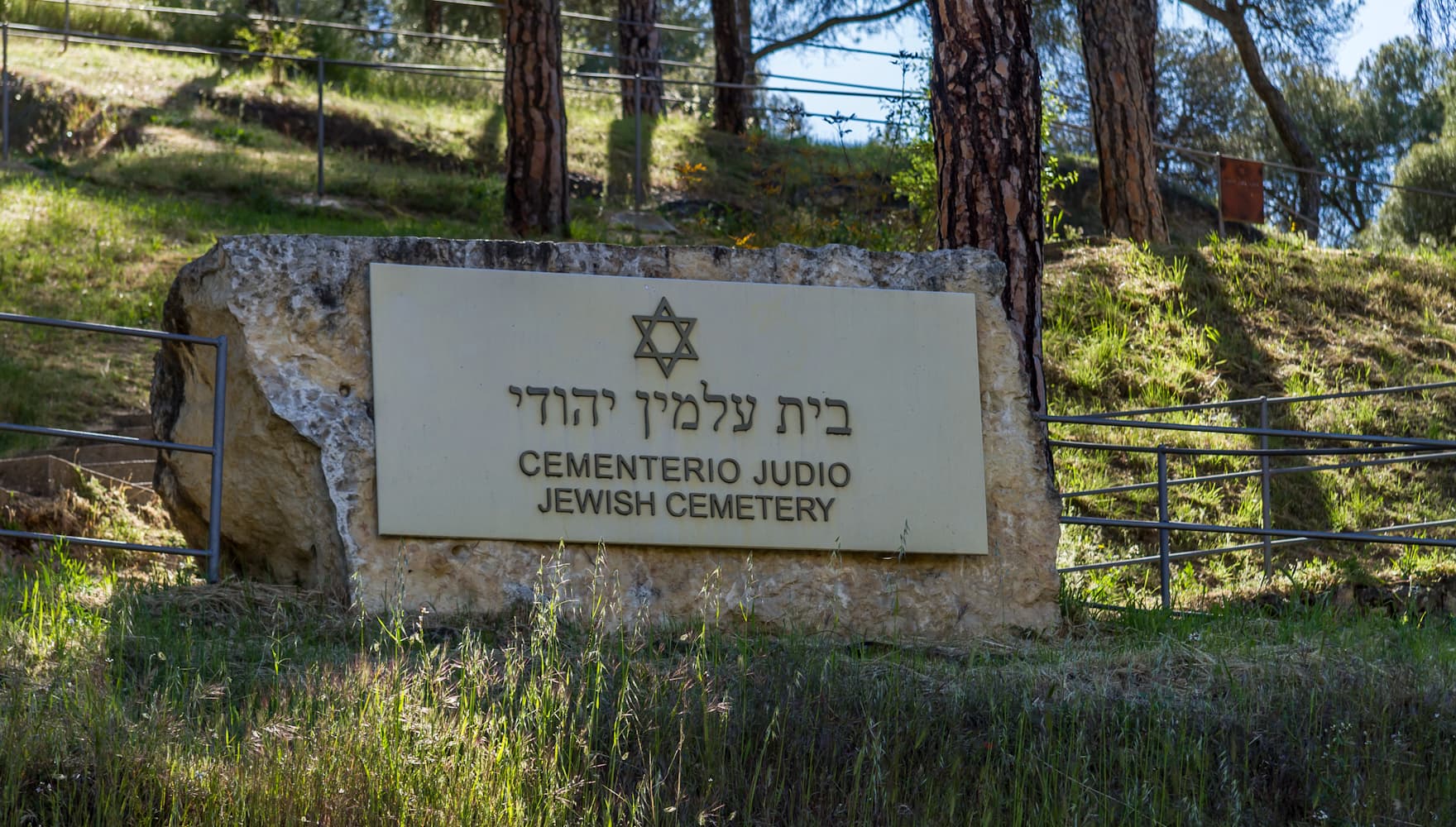
The Jewish cemetery was situated on the left bank of the Clamores stream and covered the walled area between the Puerta de San Andrés and the Casa del Sol. It stretches across a hill known as “el Pina...
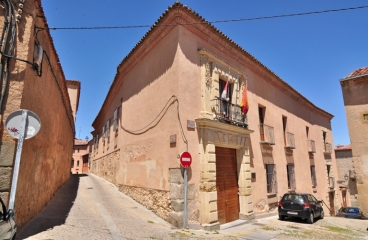
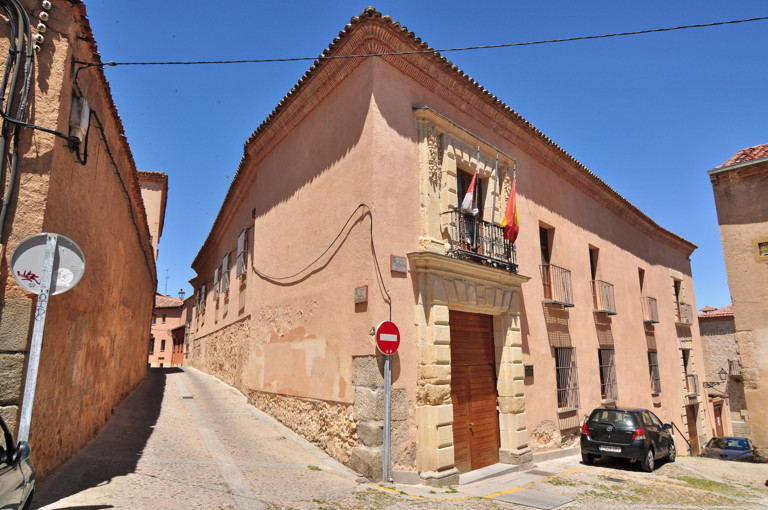
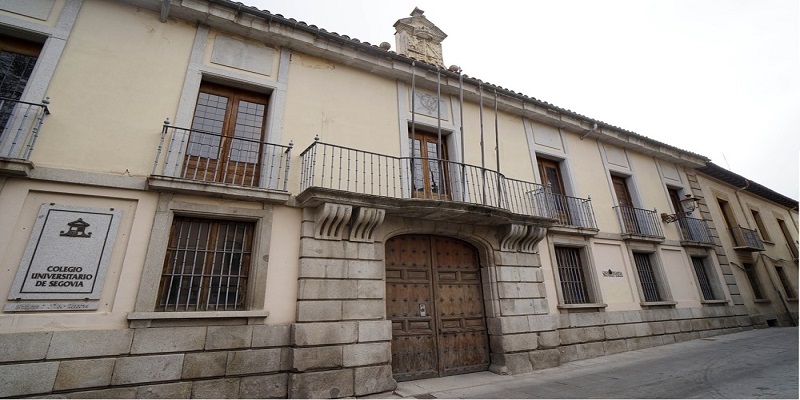
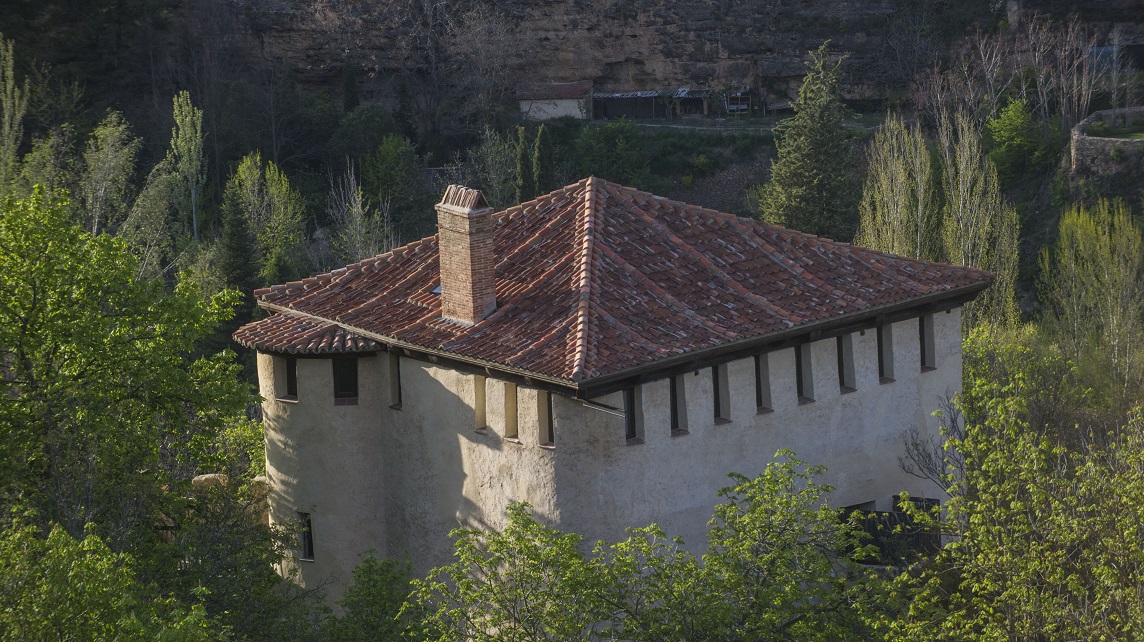
Originally, it consisted of two solidly built houses, possibly dating from the 16th century, which the Knight of Alcántara, Juan de Ortega Lara y Angulo, used to construct, from 1702 onwards, a single...
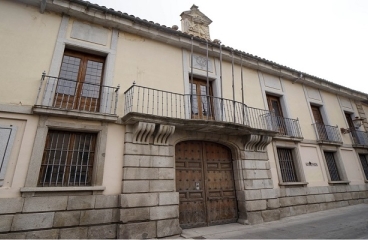
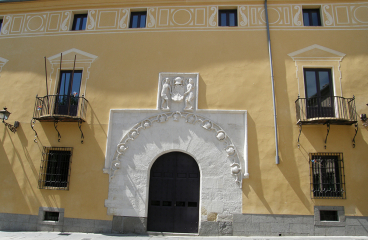
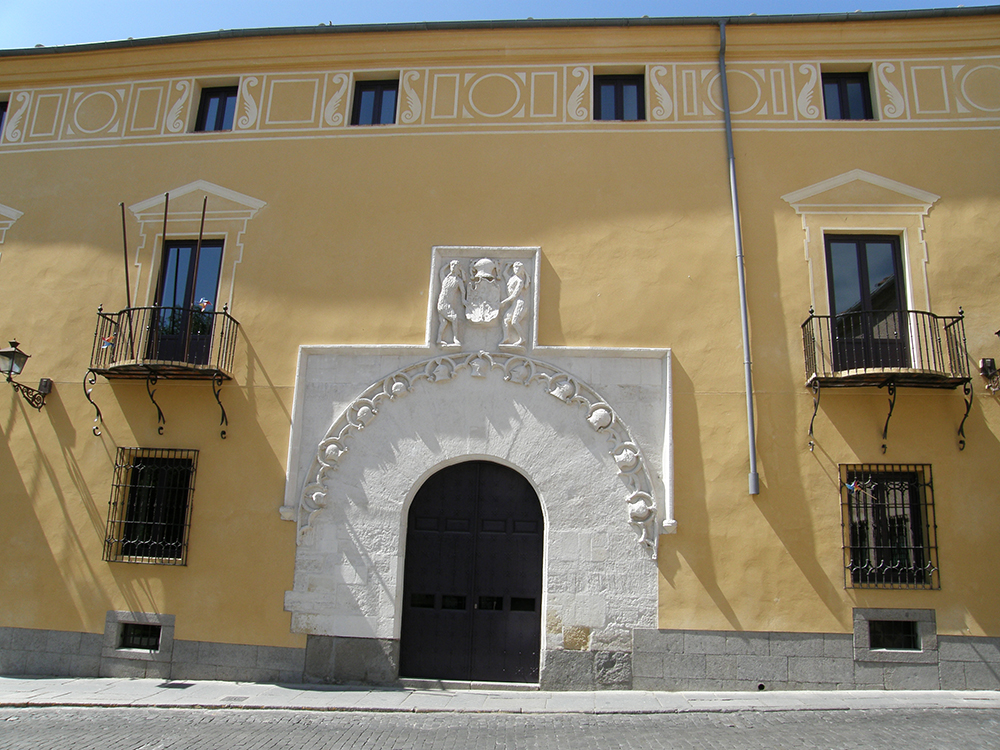
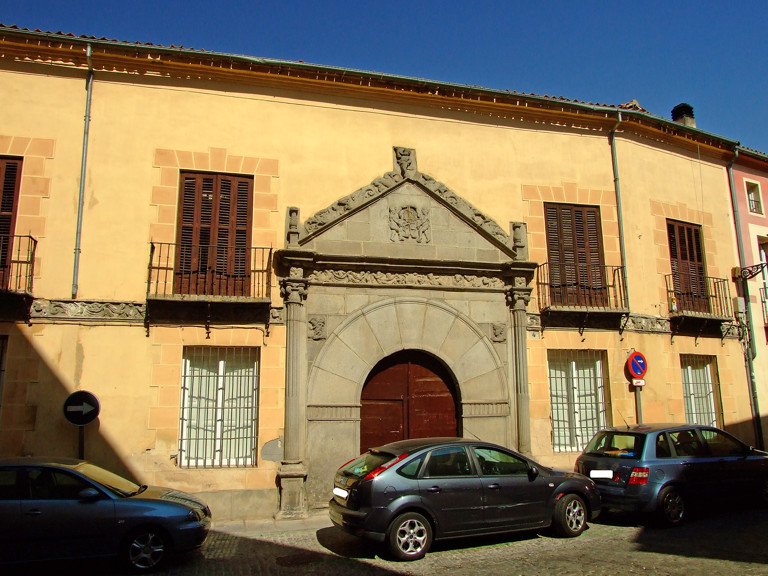
Built by the Marquises of Quintanar in the 15th–16th centuries. The entrance features an interesting decoration of arches and crests. A characteristic Segovian courtyard with columns bearing coats of ...
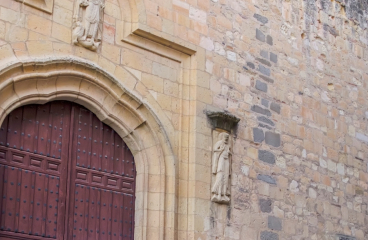
Declared an Asset of Cultural Interest.16th century. A single-nave structure with a flat chancel. Chapels between buttresses. Baroque altarpiece by José Ferreras (1672). Burial chapel of Dr Andrés Lag...
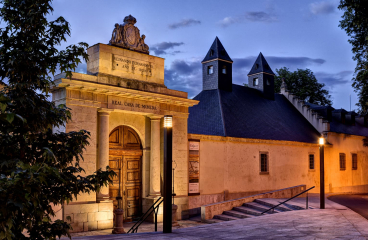
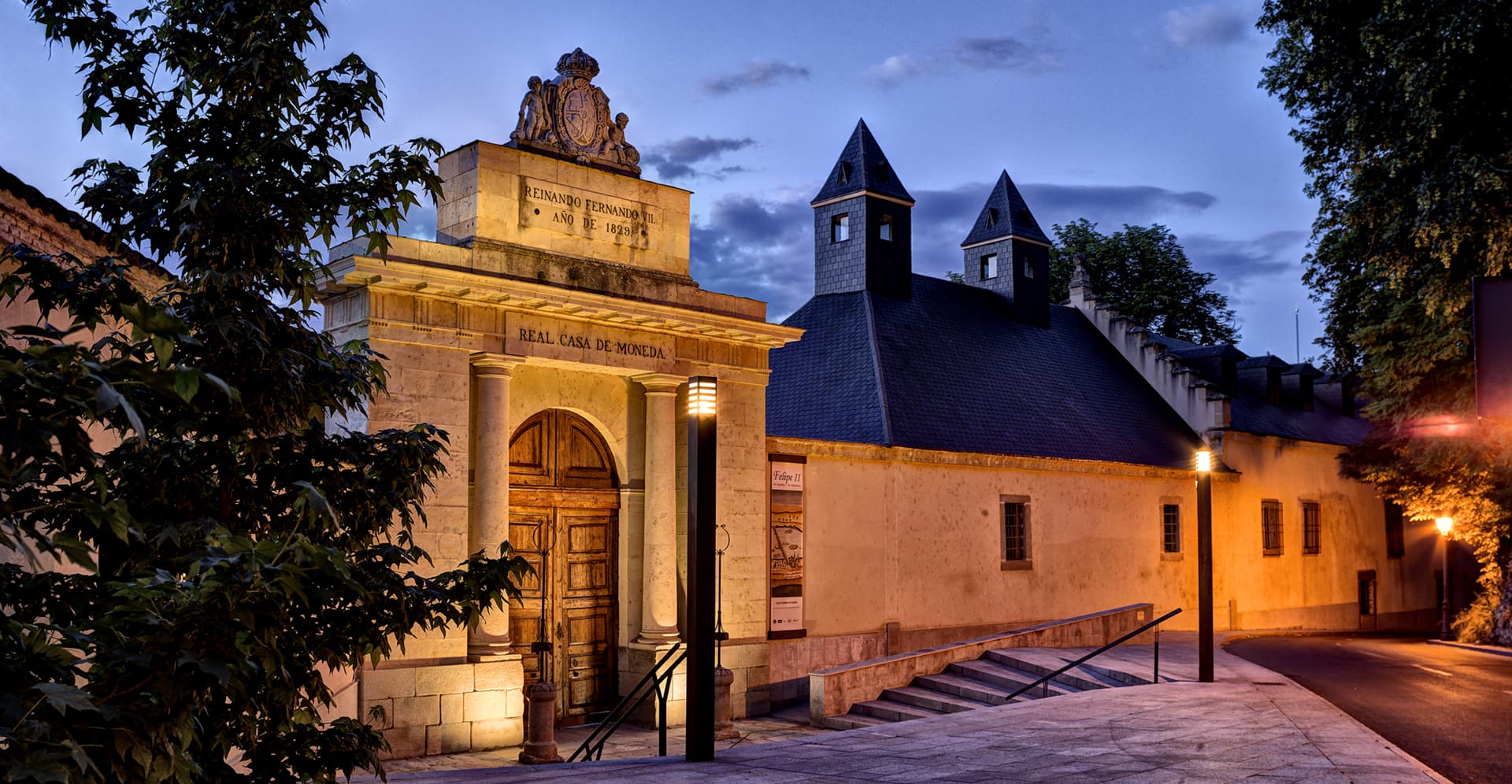
16th–18th centuries. One of the oldest examples of industrial architecture in Europe. Founded in 1583 by Philip II to the designs and under the supervision of Juan de Herrera. Spain’s first mechanised...
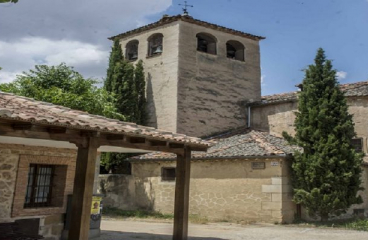
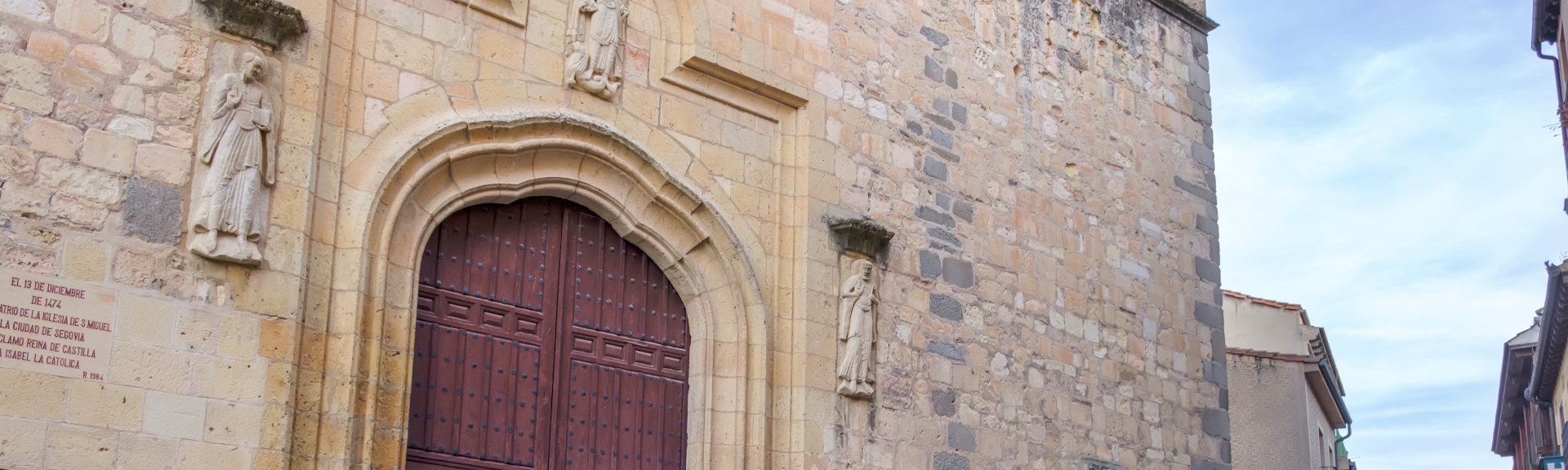
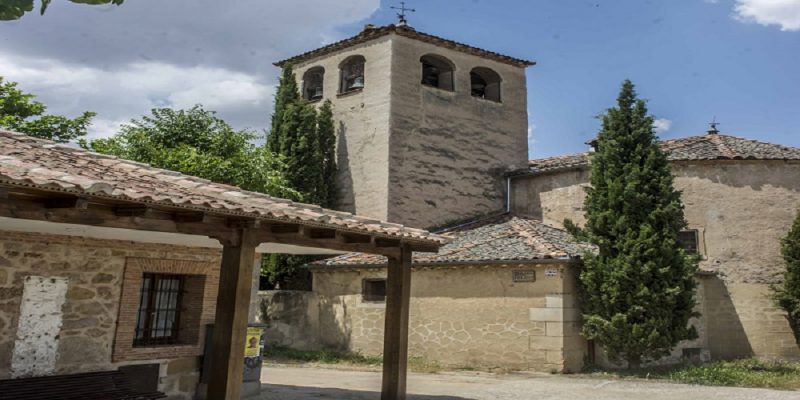
12th century. Consisting of a single nave and an apse. It houses a statue of Christ on the Cross, originally from the Monastery of El Parral, which is carried in procession during Holy Week.
Designated a Site of Cultural InterestAlso known as Puerta o Arco del Socorro. It is one of the three gates that remain in the city walls, which gives it great historical value, although its current a...
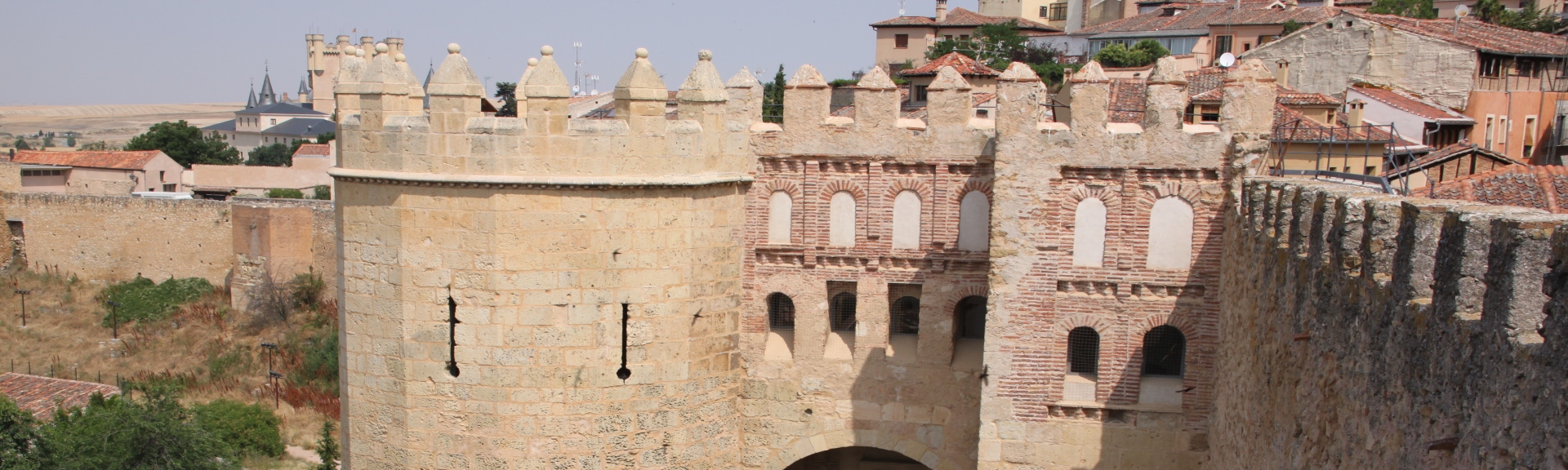
This is one of the Gates in the Wall of Segovia, known in 1122 as the Puerta de Rodrigo Ordoñez.In the mid-13th century, it acquired its current name from the nearby church dedicated to St James, whic...
16th century. Plateresque façade. Portal featuring motifs relating to the life of Hercules. It was the home of Don Gonzalo Pérez, secretary to Charles I and Philip II, and previously of Don Diego Enrí...