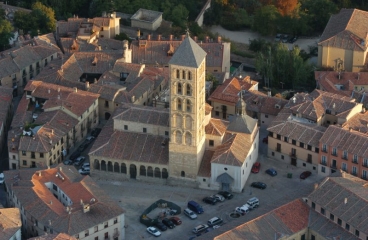
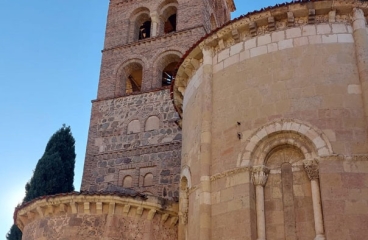
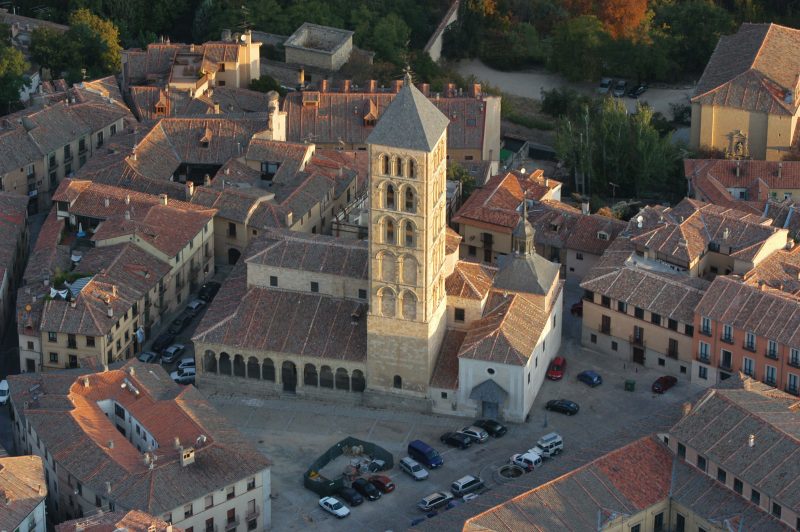
12th–13th centuries. A fine example of late Romanesque architecture, the tower is considered one of the most beautiful of its kind. Following a fire in 1896, it was dismantled and rebuilt in the early...
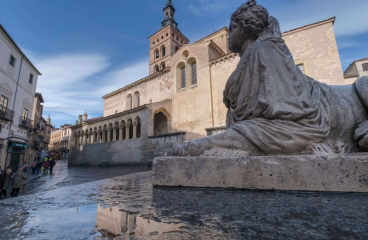
A temple of the utmost importance, serving as a model for the Romanesque churches of Segovia, as it incorporates all their characteristic features, such as Islamic influence (decoration and Caliphate-...
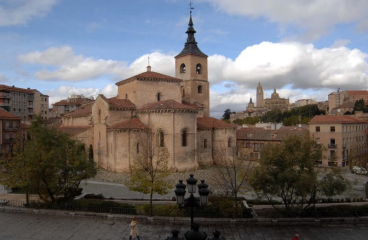
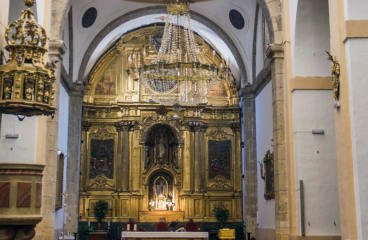
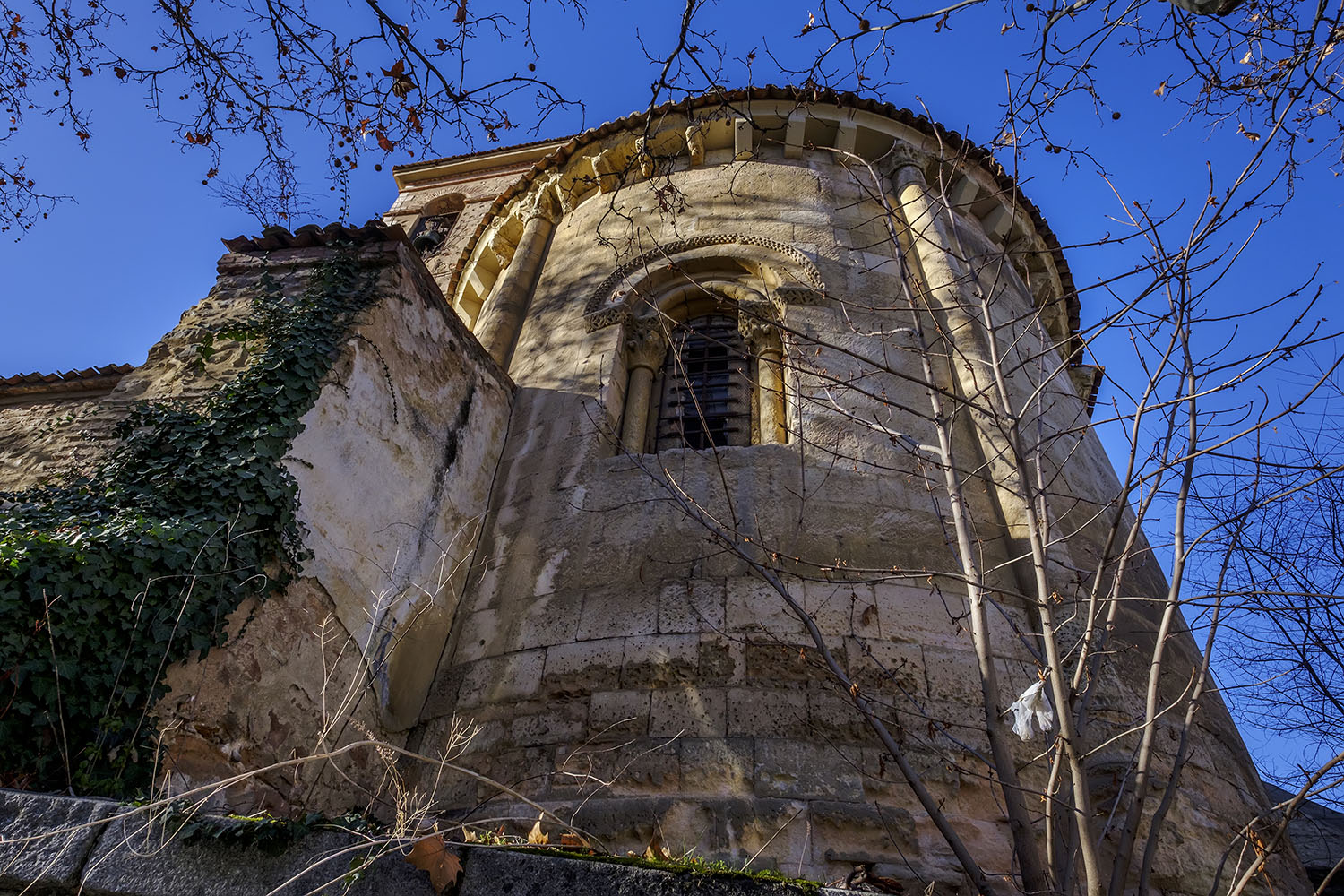
13th century. A single-nave structure with an apse at the east end. Romanesque remains can be seen in the apse and the north door. Notable Baroque plasterwork. Altarpiece dating from 1759.
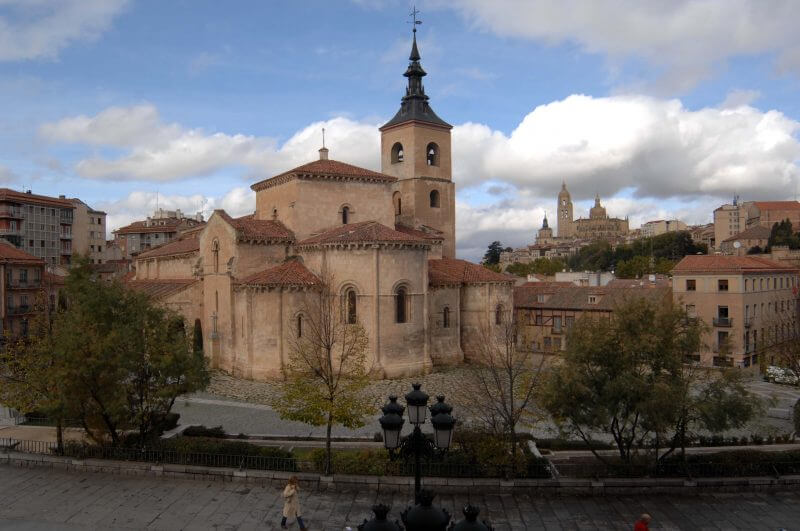
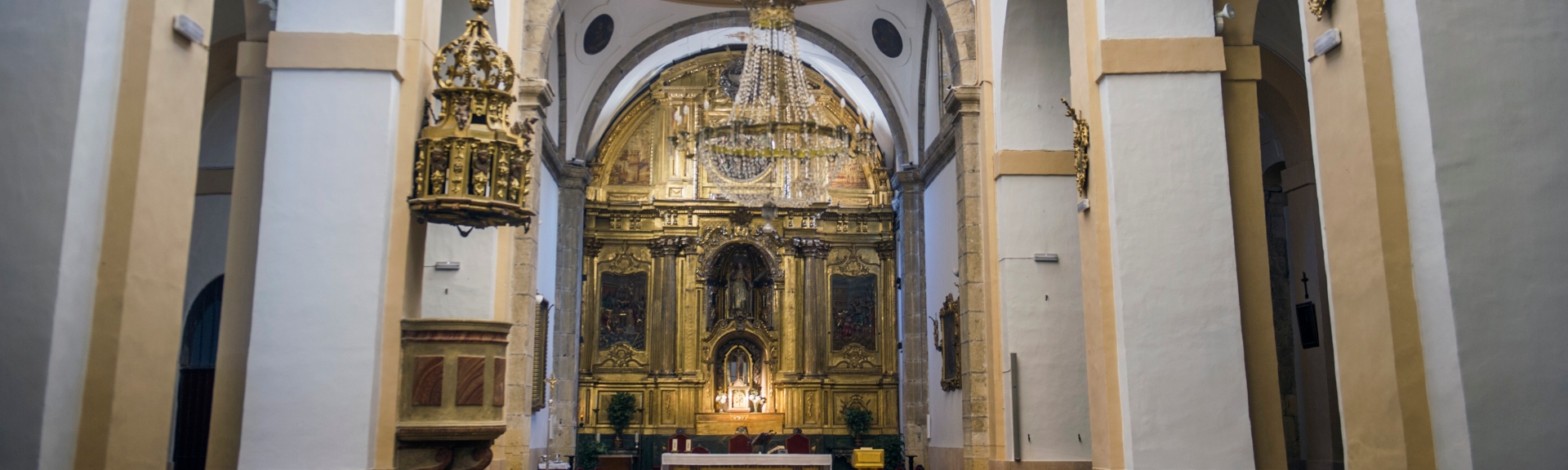
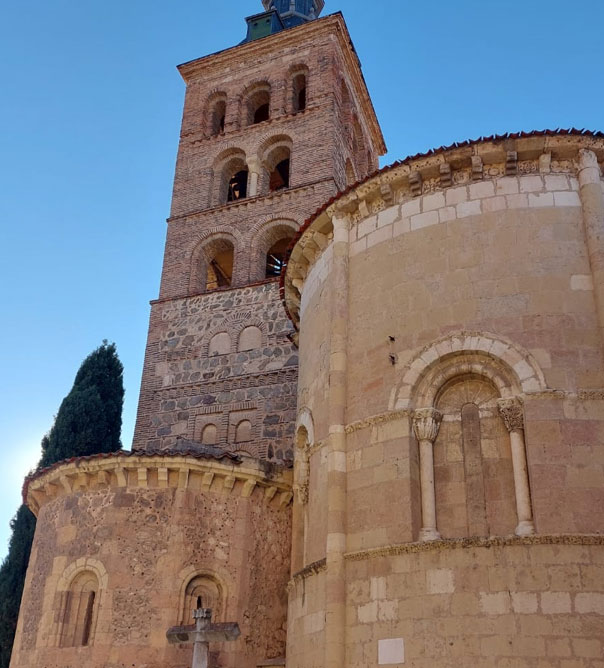
Romanesque body, Baroque soul12th century. A three-nave structure with a chancel featuring two apses. A magnificent brick tower topped with a slate spire. High altarpiece (16th and 17th centuries), wi...
12th–13th centuries. Possibly built on the site of an earlier church. A single-nave structure with three apses. It houses an interesting Renaissance triptych and coffered ceiling.
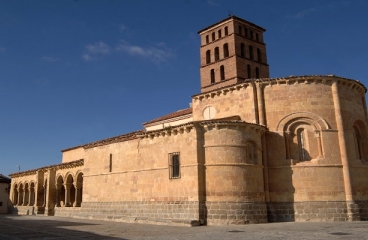
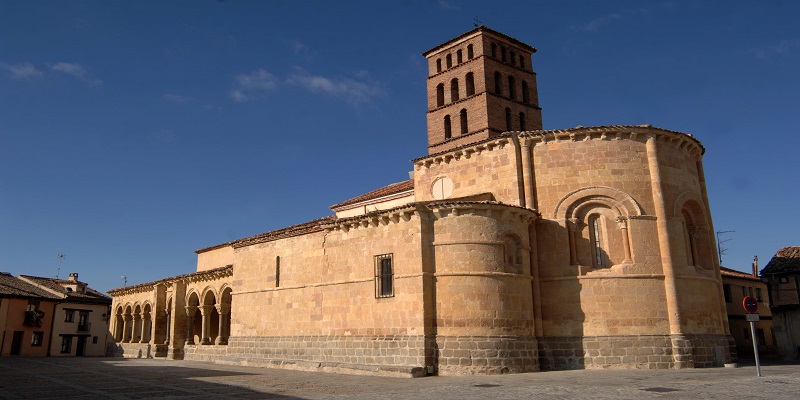
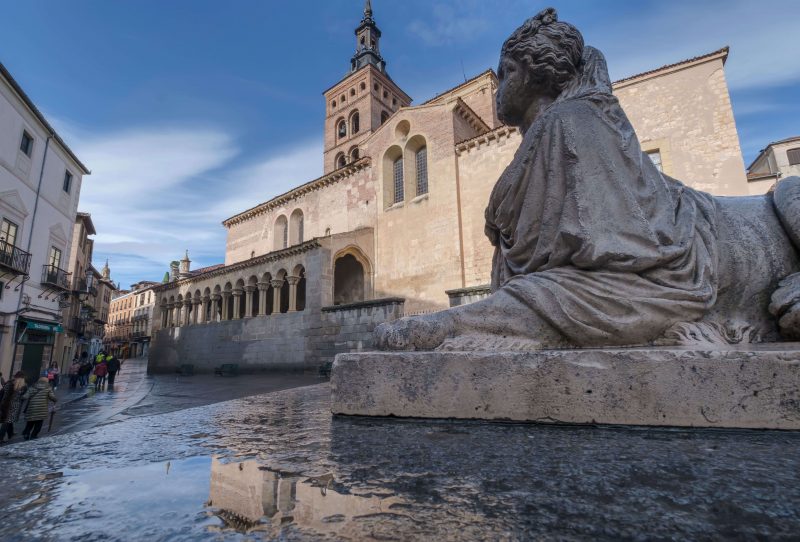
Designated a Site of Cultural Interest.This splendid church, a fine example of Castilian Romanesque architecture, is characterised by a triple colonnaded atrium and three apses, with a Mudejar tower o...
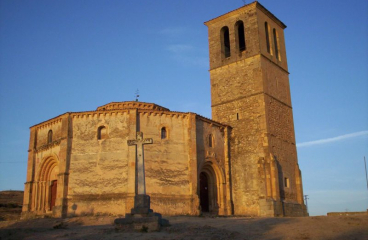
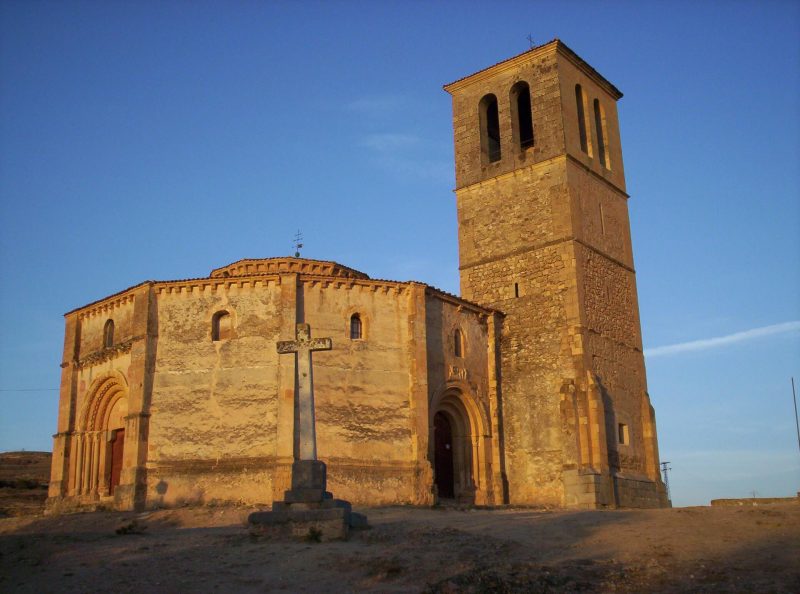
On the road to Zamarramala stands the Church of La Vera Cruz, founded by the Knights of the Order of the Holy Sepulchre in 1208, although popular tradition has, since time immemorial, attributed it to...
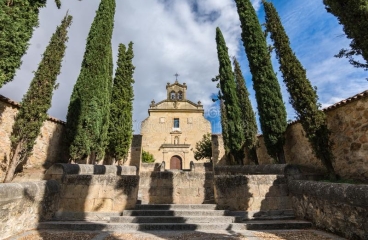
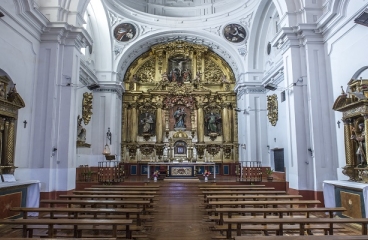
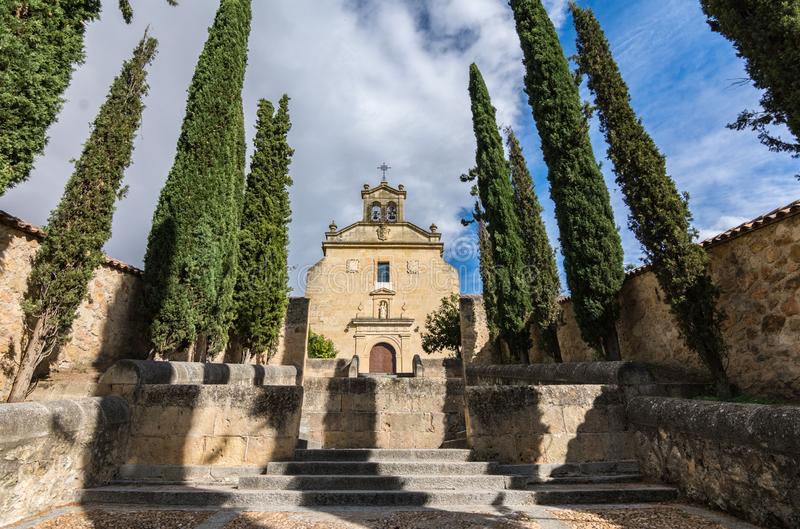
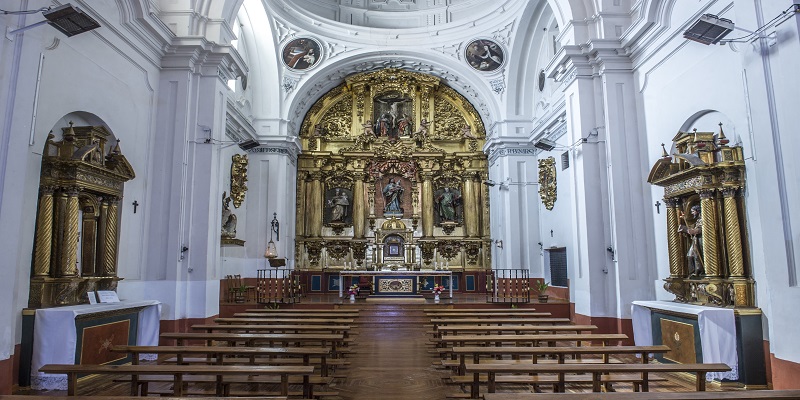
16th century. Founded by St John of the Cross in 1586, who helped to build it with his own hands. It houses his tomb, which was visited by Pope St John Paul II in 1982.A cypress tree remains, which, a...
The legacy of the Saint16th–17th centuries. The site where the foundation established by Saint Teresa of Ávila on 19 March 1574 was subsequently relocated (see no. 21).Chapel built by Pedro de Brizuel...