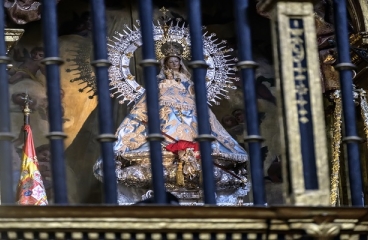
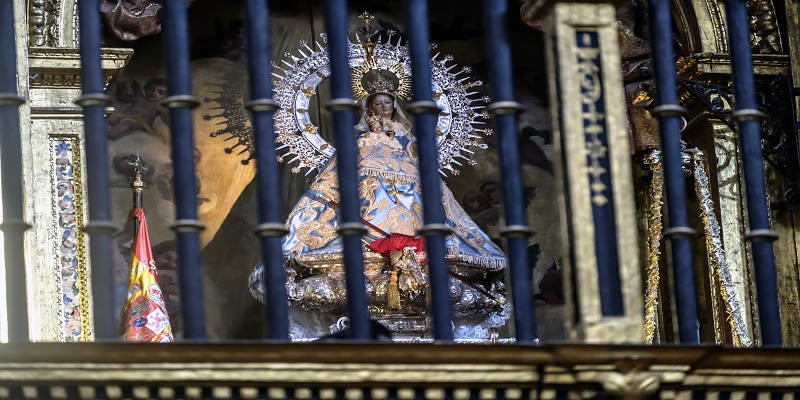
Patron Saint of the Community of the City and Lands of Segovia. Built between 1598 and 1613 by Francisco de Mora, as the Renaissance extension of the original medieval chapel on the site had become to...
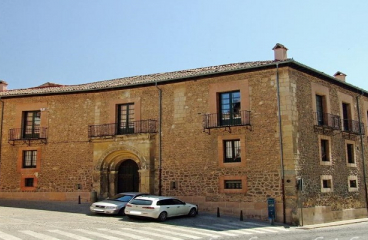
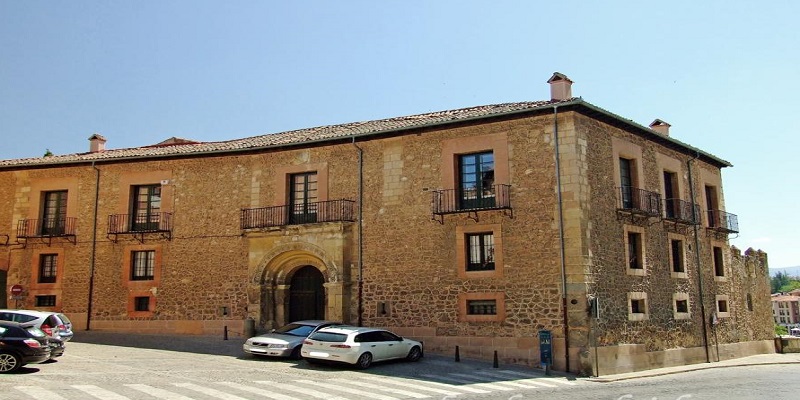
13th–15th centuries. It belonged to the entailed estate of the Cáceres family.The main façade is one of the most significant examples of Romanesque architecture in Segovia, featuring archivolts and de...
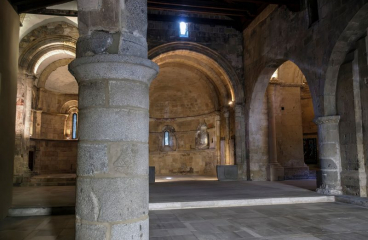
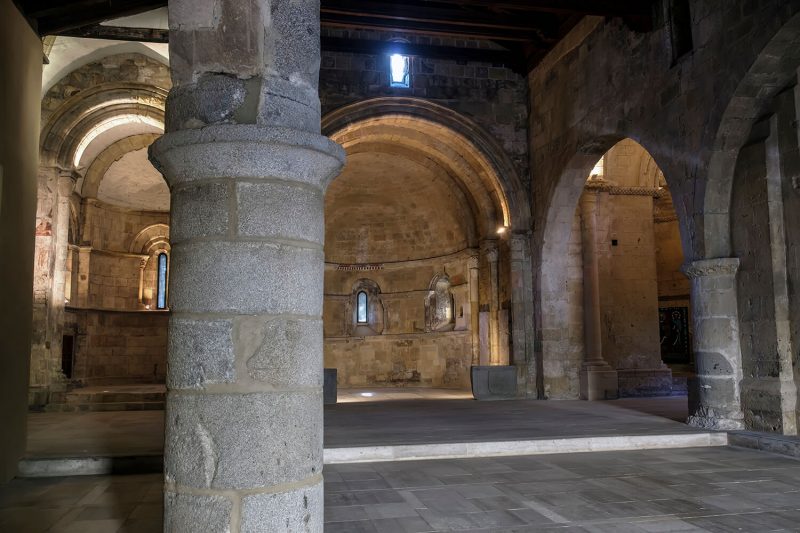
This majestic church is a gem of Romanesque architecture that captivates visitors with the harmony and elegance of its design.Built between the 11th and 13th centuries, it has a basilica-style layout ...
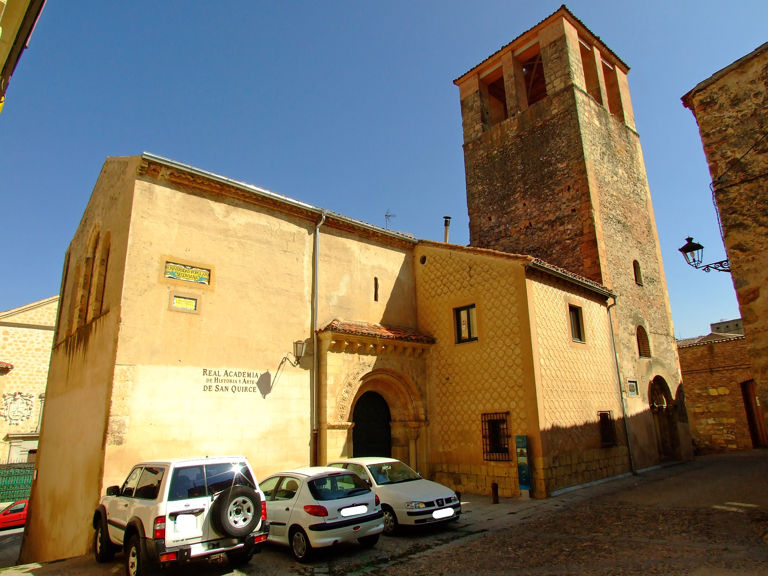
12th century. A unique Romanesque church dedicated to San Pedro ad Vincula, notable for its original bell tower topped with corbels, which eventually gave the church its name.Its bell used to sound th...
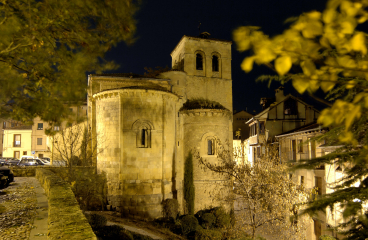
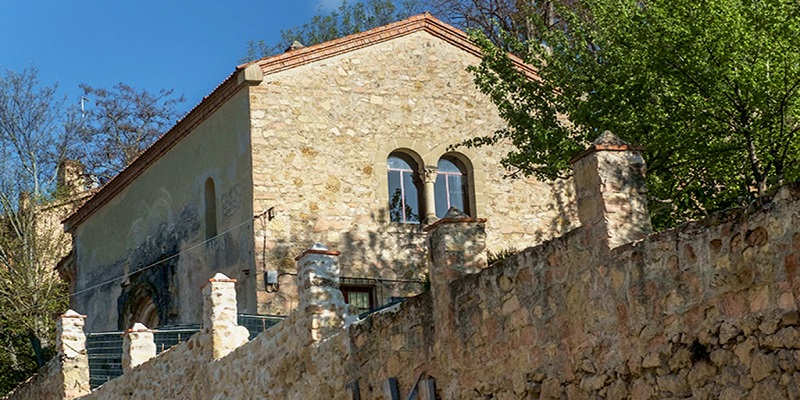
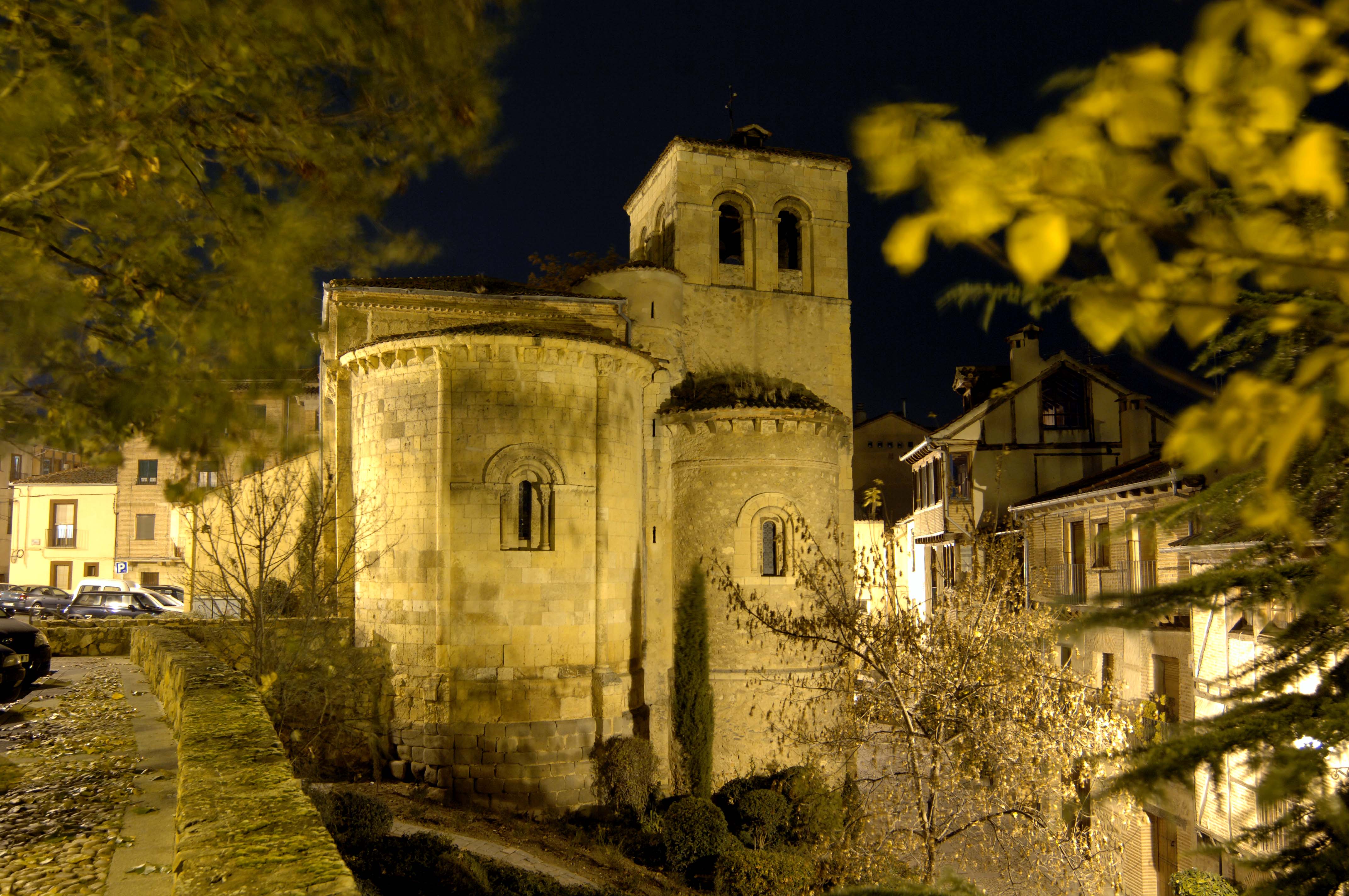
A 12th-century Romanesque church with a single nave ending in a semicircular apse, featuring a semicircular window. Later alterations included the addition of a tower and an adjoining chapel.The façad...
Built between the 12th and 13th centuries, the Church of San Nicolás de Bari is an example of the Segovian Romanesque style.It features a single-nave structure with an apse, and a second apse integrat...
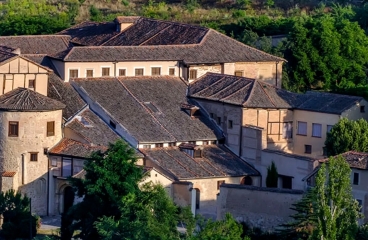
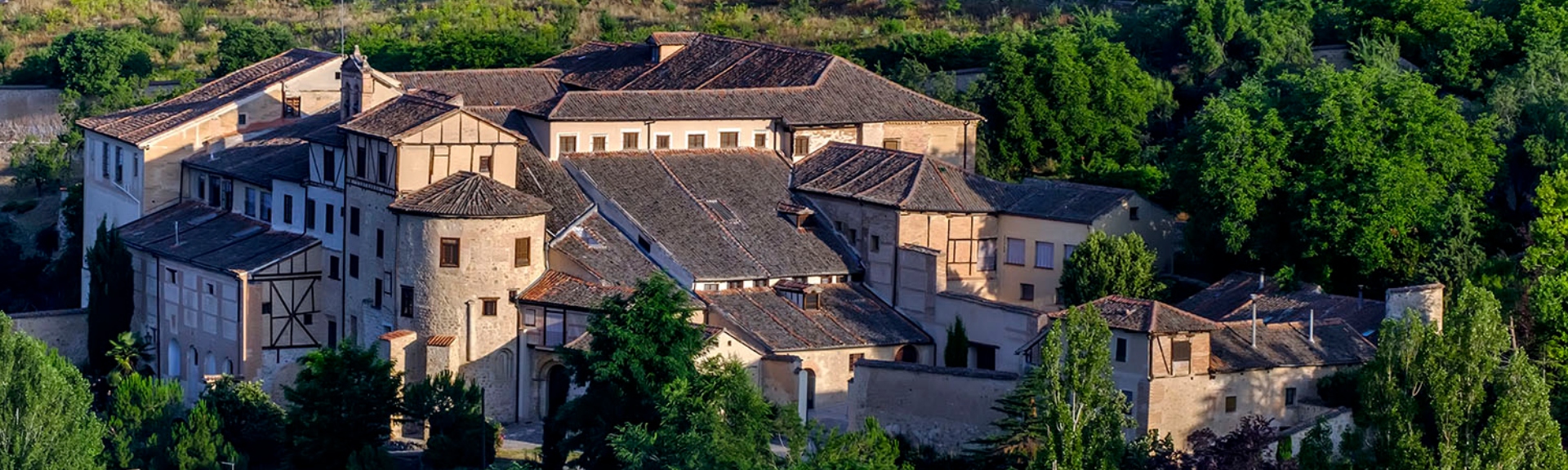
12th–17th centuries. Its location on a steep slope determines the layout of the buildings surrounding the cloister.It is believed to have pre-Romanesque origins, but its external appearance is the res...
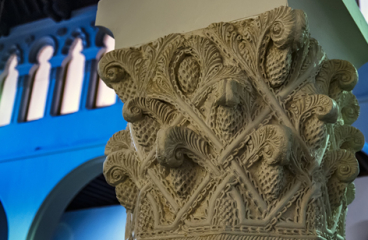
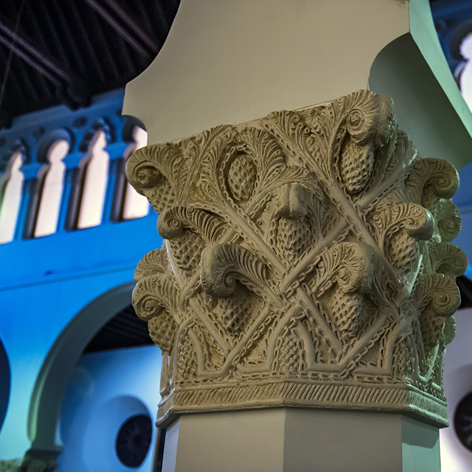
Rabbi Abraham Seneor is one of the most important figures in the Castilian Jewish community during the Middle Ages and the most significant in the entire history of Segovia’s Jewish quarter.Abraham Se...
Designated an Asset of Cultural Interest.In 1574, it was the site of the original foundation of the Discalced Carmelites by Saint Teresa of Ávila, who later moved to their current location on the same...
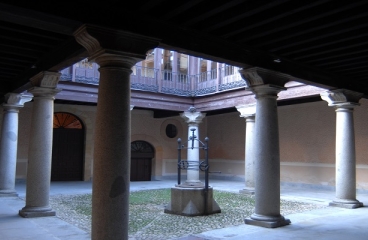
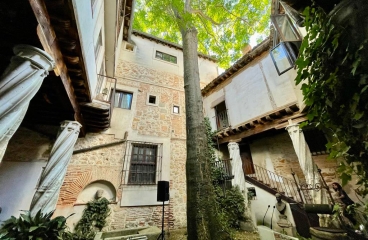
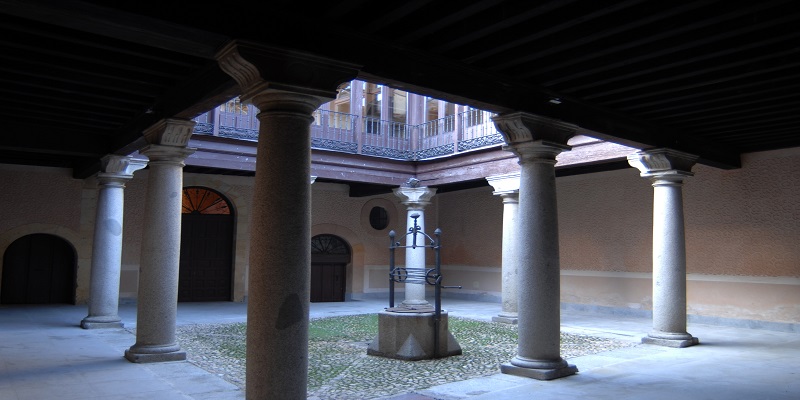
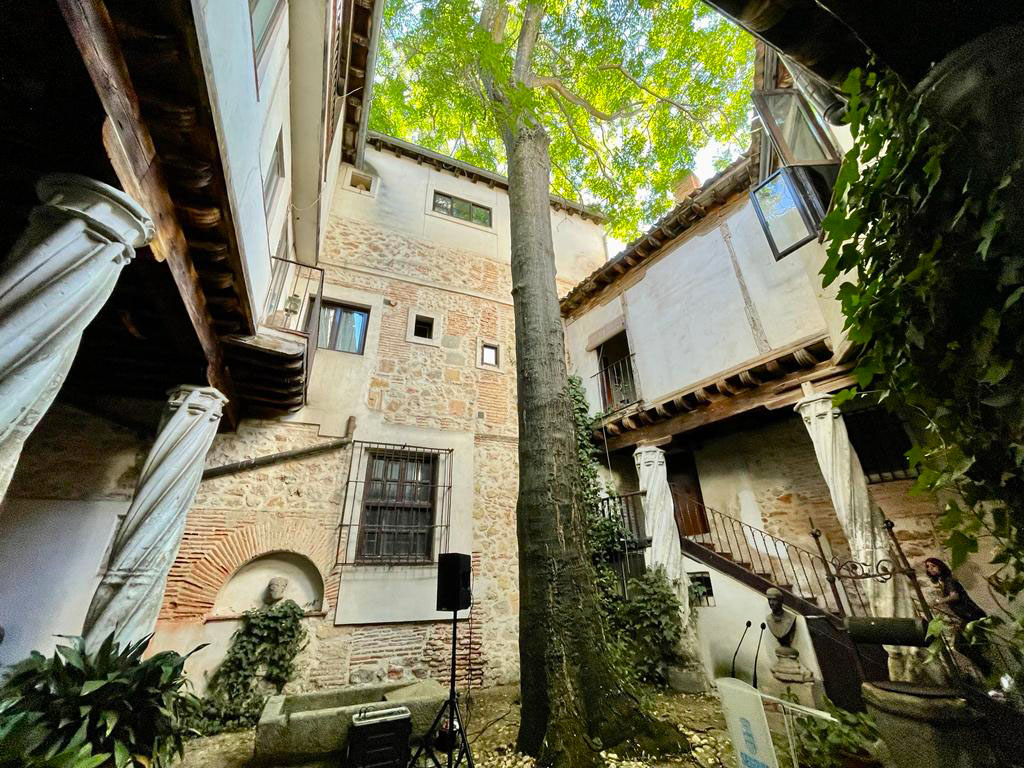
A treasure waiting to be discoveredThe alfiz framing the coat of arms of its noble owner, the councillor Gonzalo del Río, still evokes the aesthetic of the 15th century, although the moulding no longe...