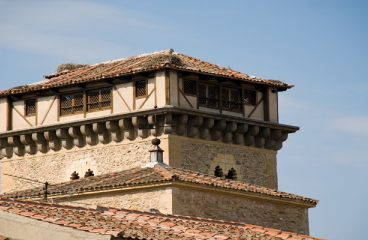
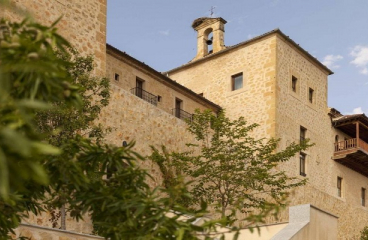
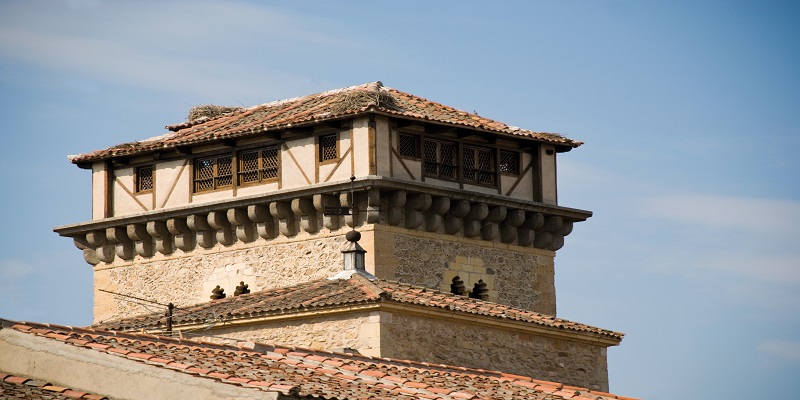
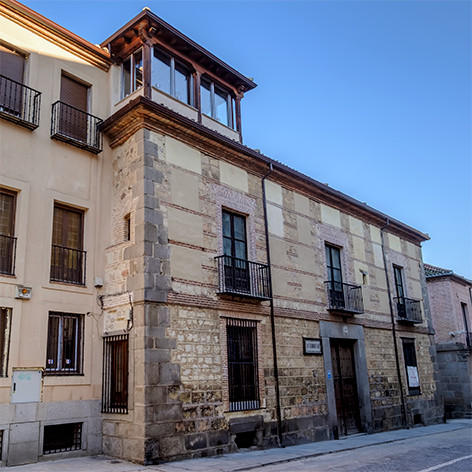
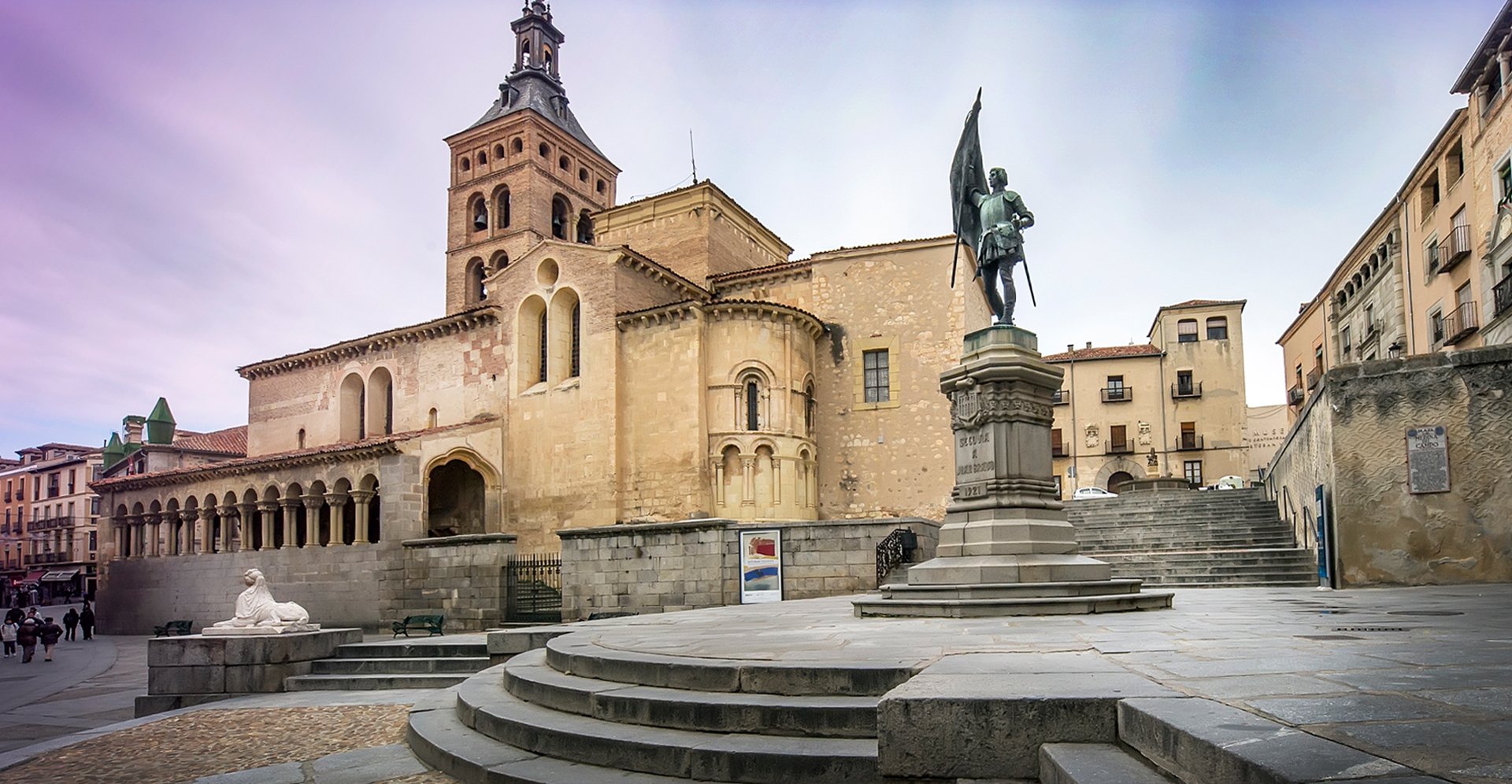
13th–17th centuries. A complex comprising several buildings: the mansion of Peralta and that of Arias de la Hoz, of which the Tower of Hercules (designated a Site of Cultural Interest) formed part; it...
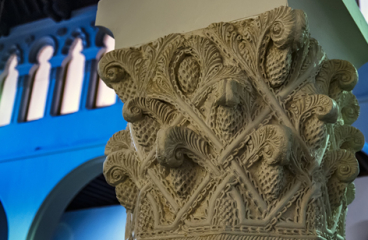
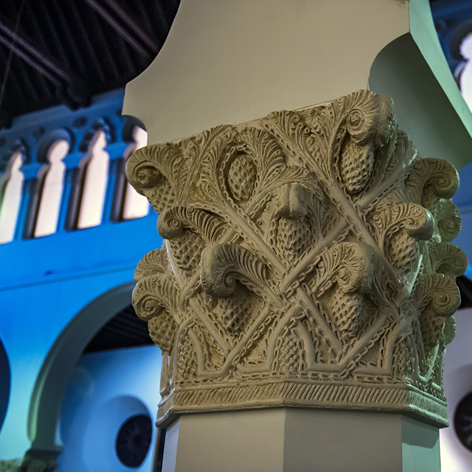
The present-day Church of Corpus Christi was formerly the Great Synagogue of Segovia. The exact date of its construction is unknown, but recent studies suggest it was built around the 14th century.Thi...
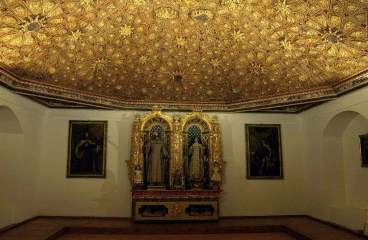
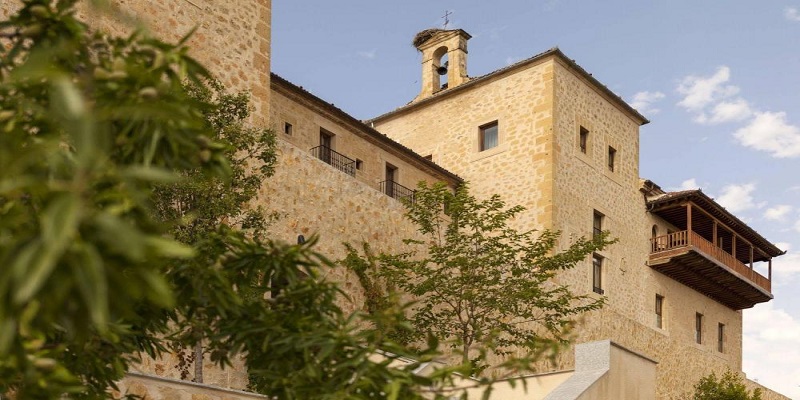
Founded in 1637 by the Counts of Covatillas. The church façade features the founders’ coats of arms and an image of Saint Bonaventure. It served as a convent for the Oblate Sisters until 1996. Before ...
15th–19th centuries. It was founded following the visit made by St Francis to the Iberian Peninsula around 1220. Built on the site of the former parish church of St Benedict. It still retains its Eliz...
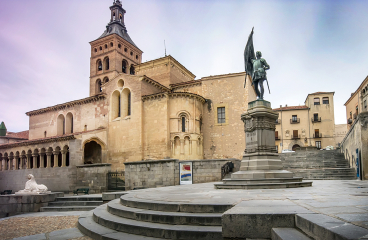
13th–15th centuries. A Romanesque-style Dominican convent, the first of its kind for men of the order, founded by Saint Dominic of Guzmán during his stay in Segovia at Christmas 1218. Rebuilt and exte...
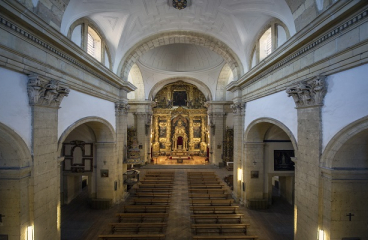
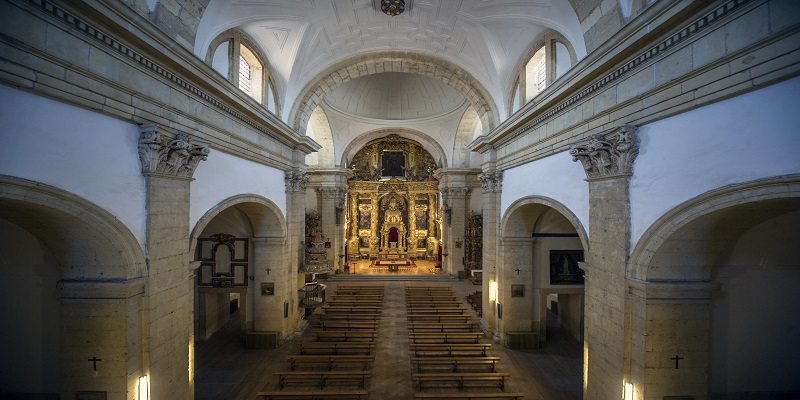
Late 16th century. It follows the Jesuit model of the Church of the Gesù in Rome. It features a central nave with side chapels. The dome is lowered at the crossing. It houses an excellent Baroque alta...
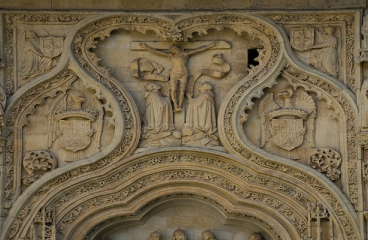
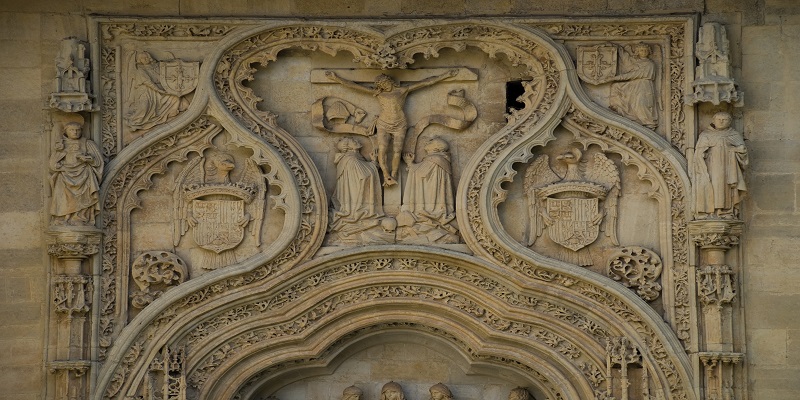
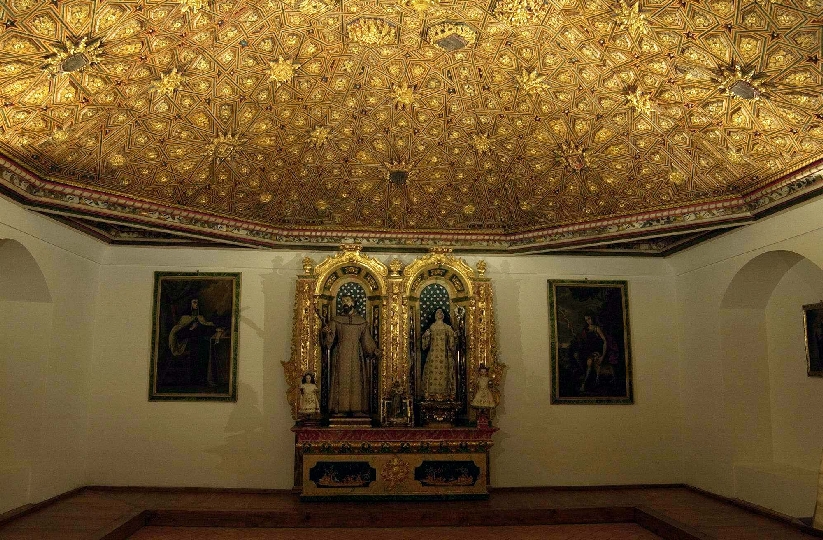
Henry IV, who had a hunting lodge here, donated it to the Franciscans in 1455; when they left in 1488, it was taken over by the Poor Clares. At an angle to the Plateresque façade, adorned with the pra...
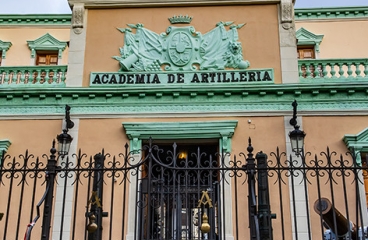
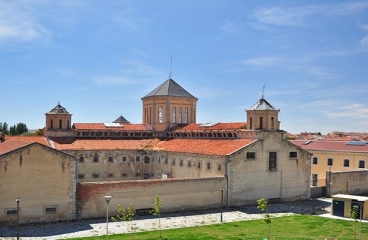
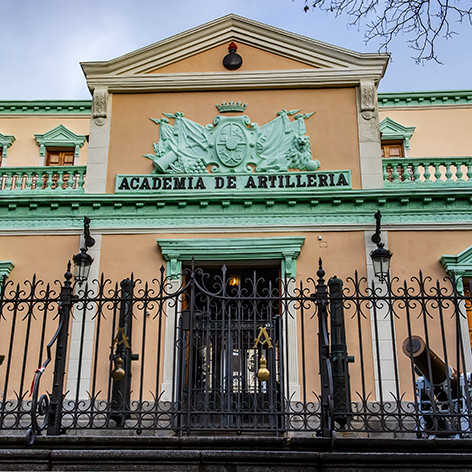
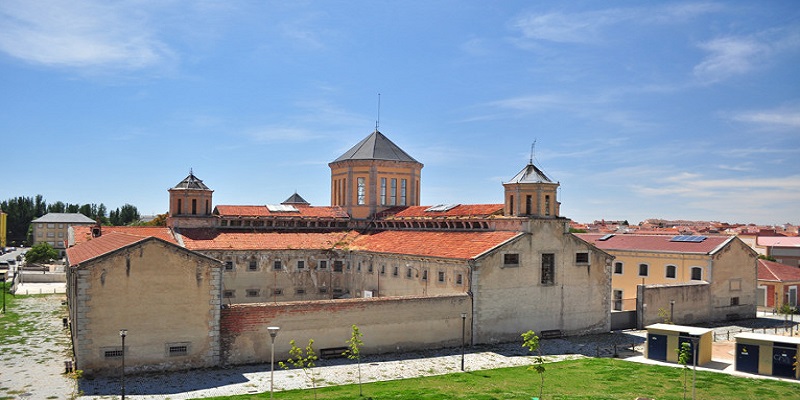
Built in the late 19th century by the municipal architect Joaquín de Odriozola, it served a variety of purposes, including as a penitentiary hospital and the Segovia Central Women’s Prison, before goi...
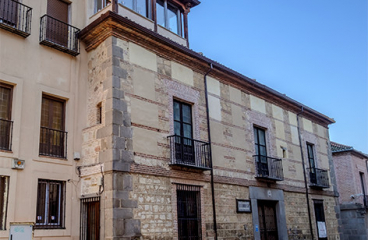
A building constructed in the 15th century, the interior of which has now been fully restored to house the Esteban Vicente Museum of Contemporary Art.It was commissioned by Prince Henry (Henry IV upon...