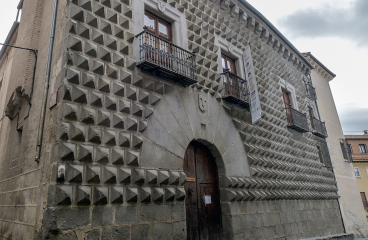
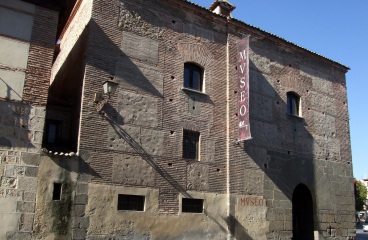
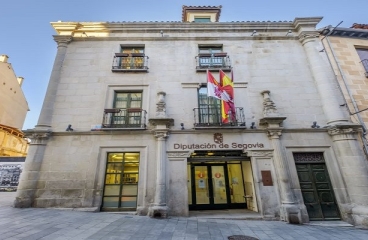
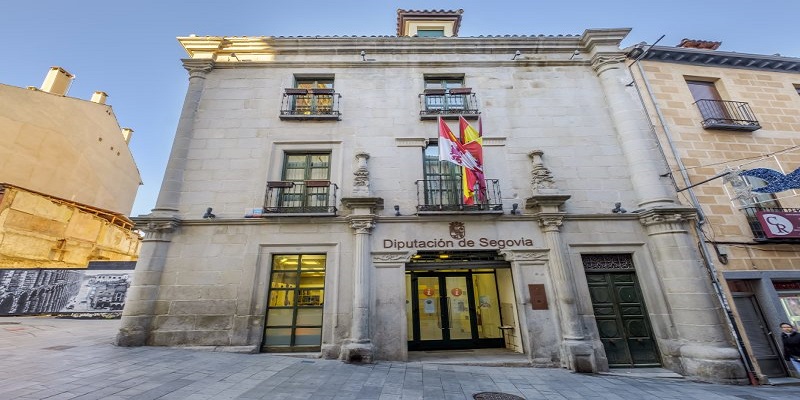
It is situated at the sharpest bend in Calle Real. The façade, built in the early 16th century, is closer in style to medieval military architecture than to the civil aesthetics of the Renaissance.Its...
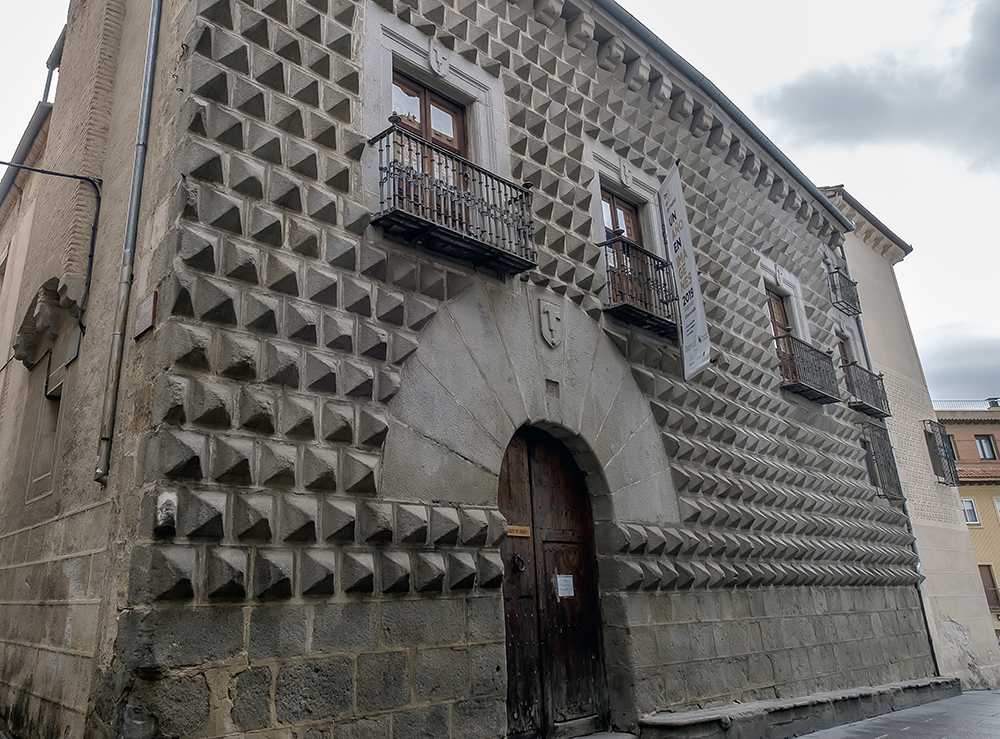
15th and 16th centuries. A fine example of Renaissance urban civil architecture. It still bears the coats of arms of the families who built it: Bermúdez de Contreras y del Río.For many years it housed...
Inside, the cloth was stamped with the city’s coat of arms. The quality achieved by Segovian textiles was remarkable; in the 18th century, the Royal Factory of Superfine Cloth of the Company was estab...
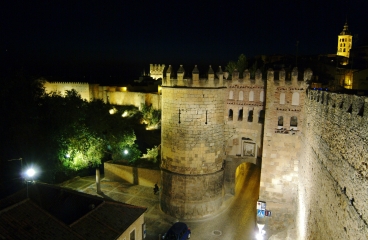
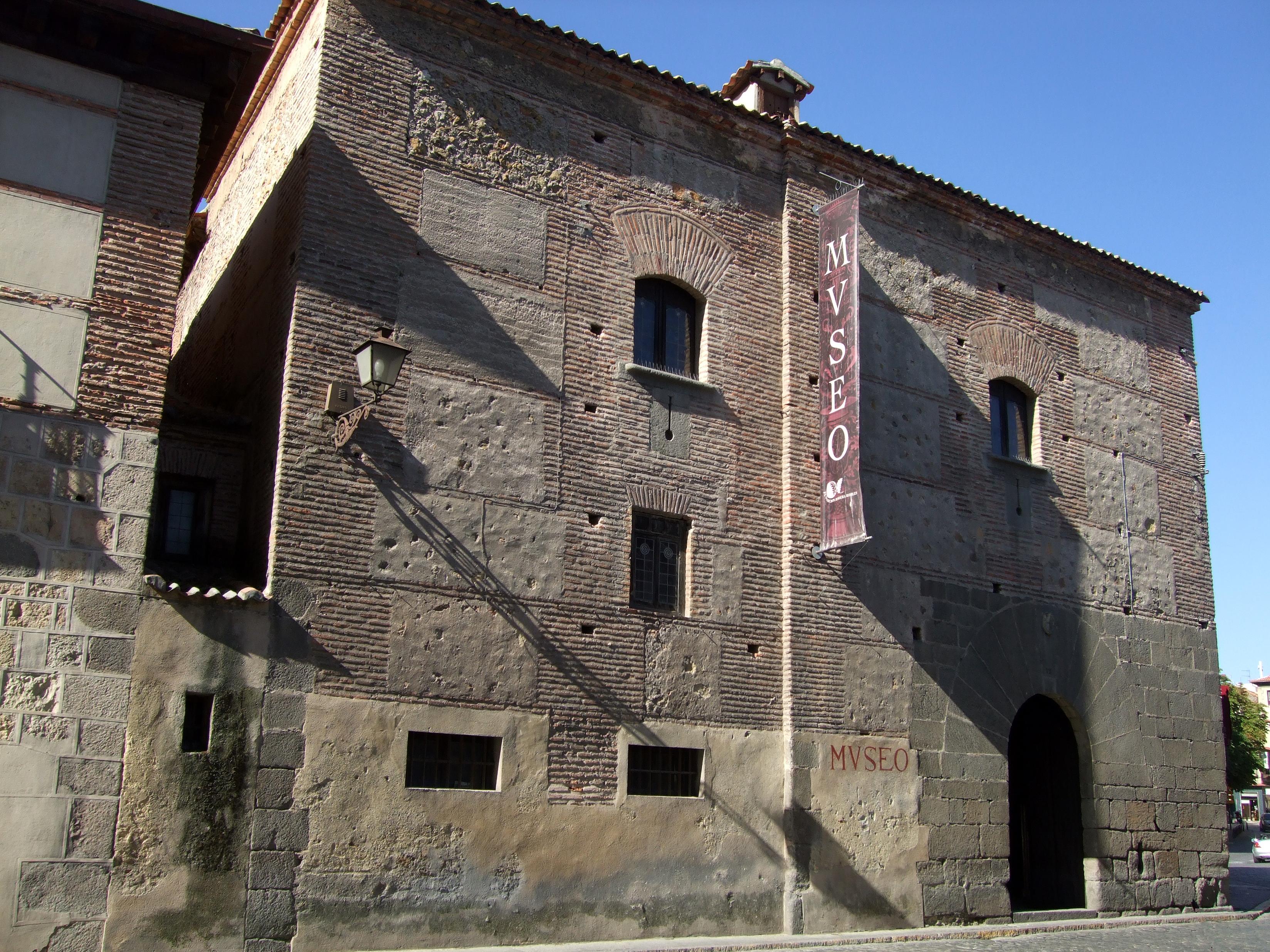
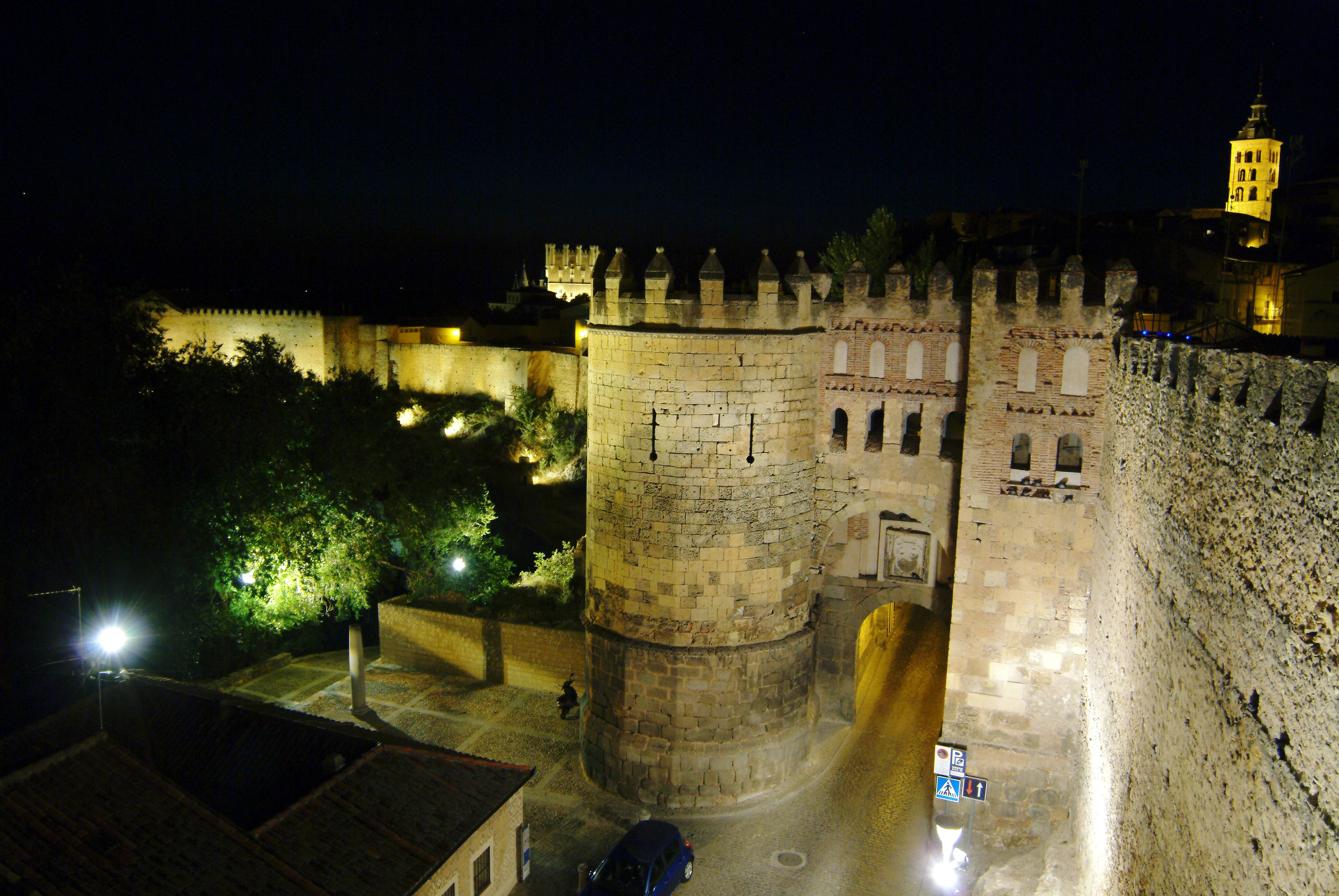
Originally, the building was constructed on a trapezoidal section of the city walls themselves. Given its physical layout, which is determined by its location on a rocky outcrop in the upper part of S...
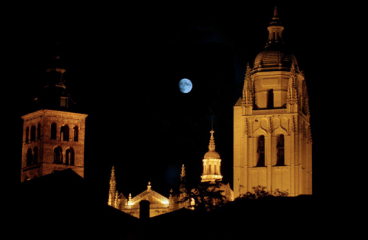
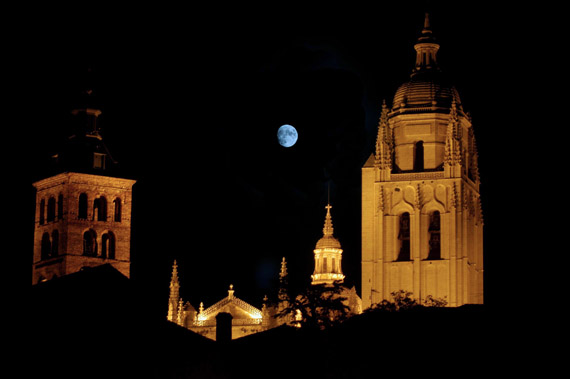
The Lady of the CathedralsIts full name is Cathedral of Our Lady of the Assumption and Saint Frutos.Built in the late Gothic style, construction began in 1525 with the voluntary support of the people ...
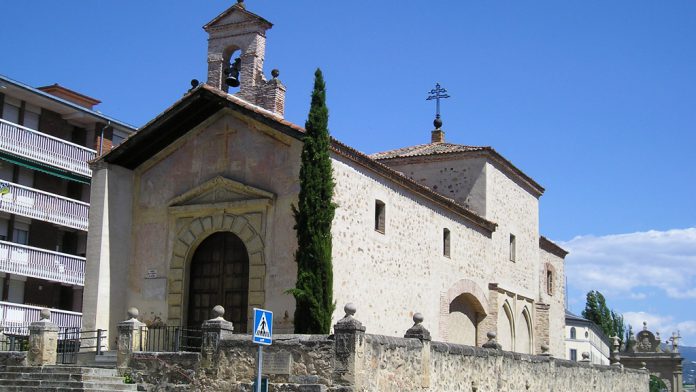
Its construction dates back to the early 15th century, coinciding with the arrival of Saint Vincent Ferrer in the city. It is a simple structure, consisting of a single rectangular nave. Remnants of t...
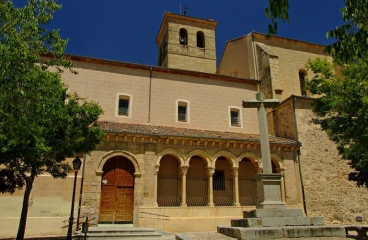
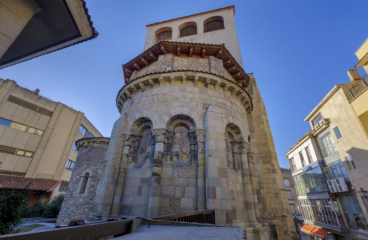
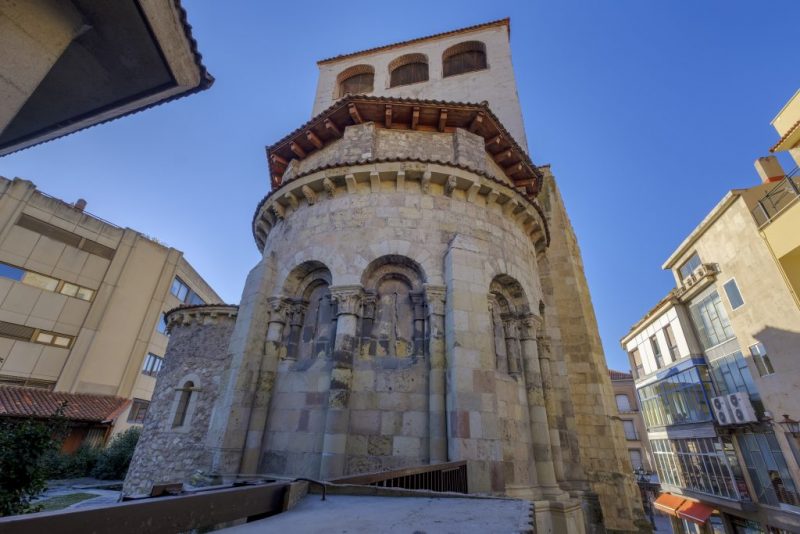
12th–13th centuries. Single-nave structure. The second apse forms part of the bell tower, a common feature in Segovian Romanesque architecture. Baroque altarpiece by Mateo Escobedo (1705)
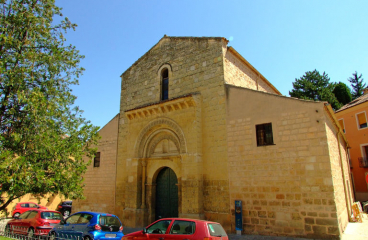
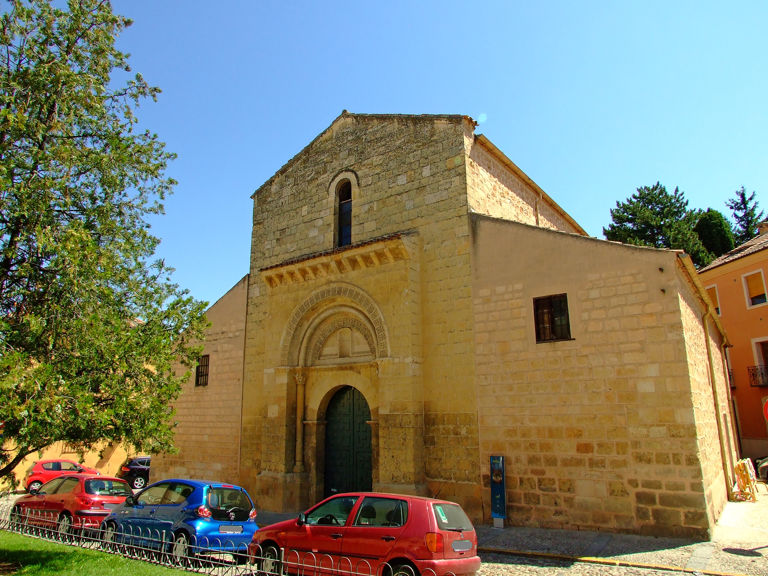
Dating from the 13th century, it is a single-nave structure with an apse-shaped chancel, featuring one of the few sculpted tympanums in Segovian Romanesque architecture, a slender tower and some valua...
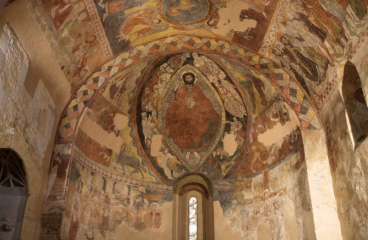
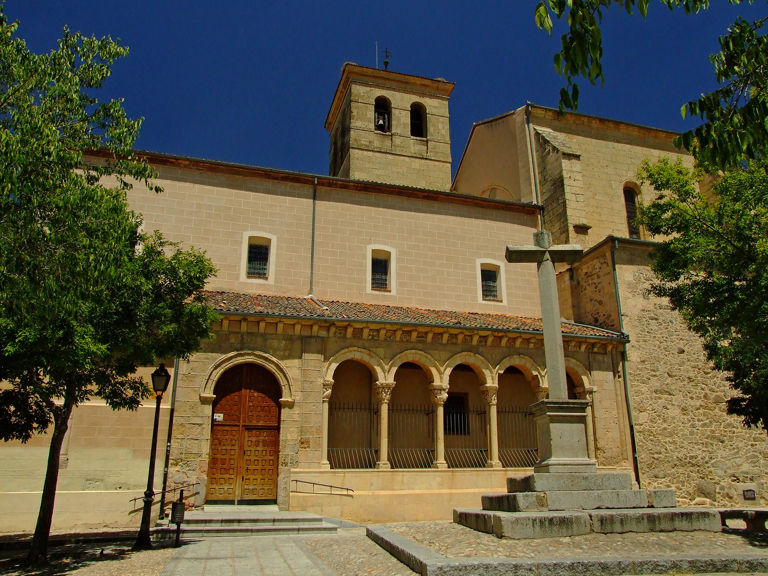
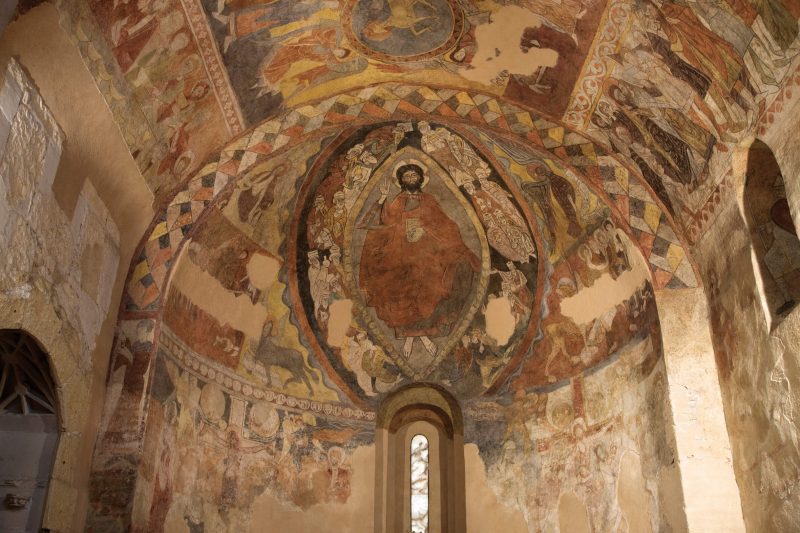
12th–13th centuries. A single-nave structure with an apse. The second apse forms part of the narthex that runs along the south façade. Interesting wall paintings (13th century).