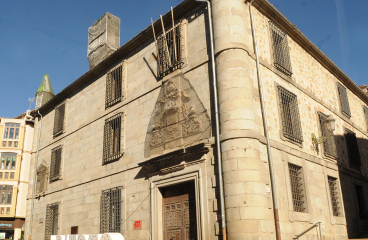
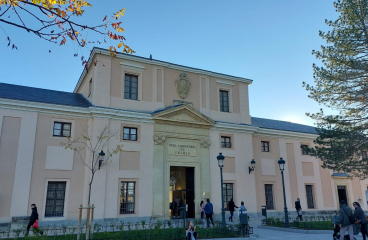
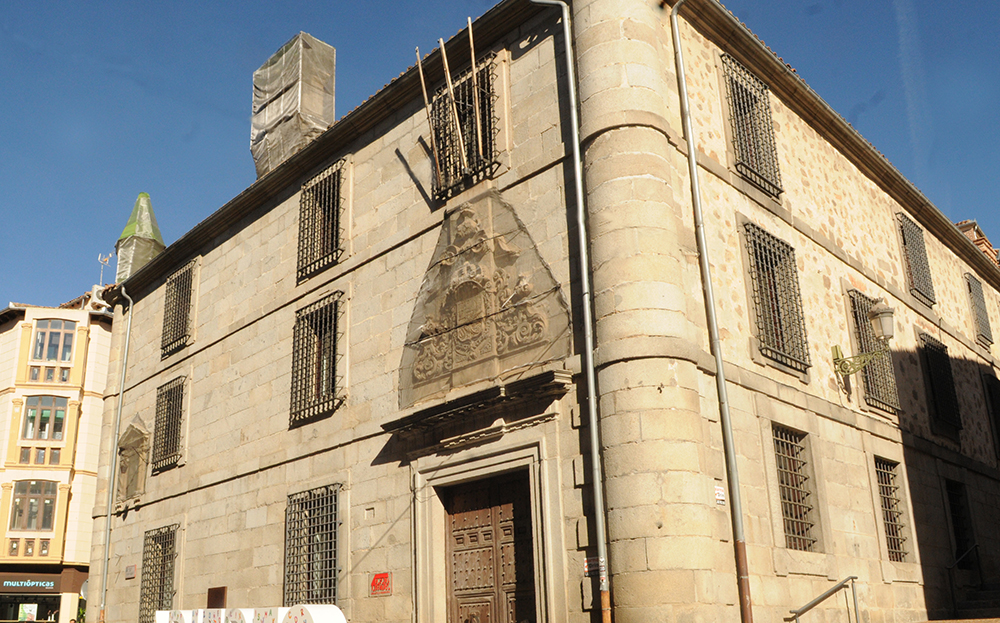
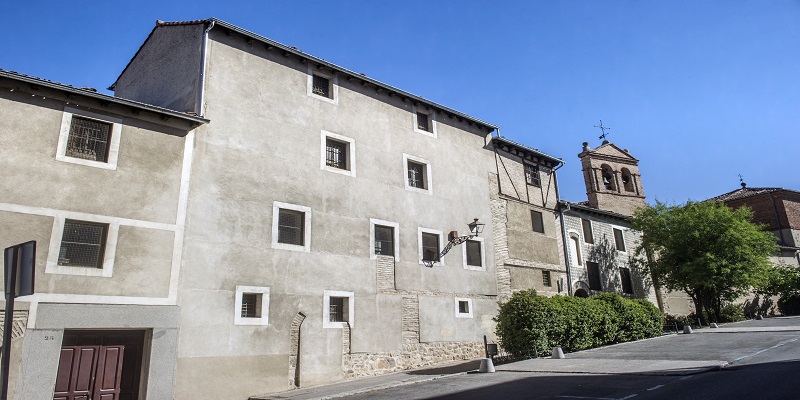
18th century. The town’s public prison until the early 20th century.Its décor, which is very austere due to its former use, features the coat of arms of the Habsburgs on the façade, which has been dec...
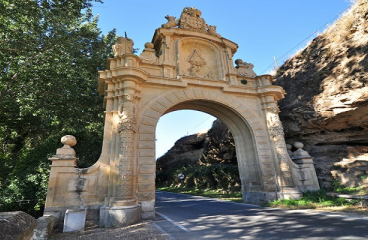
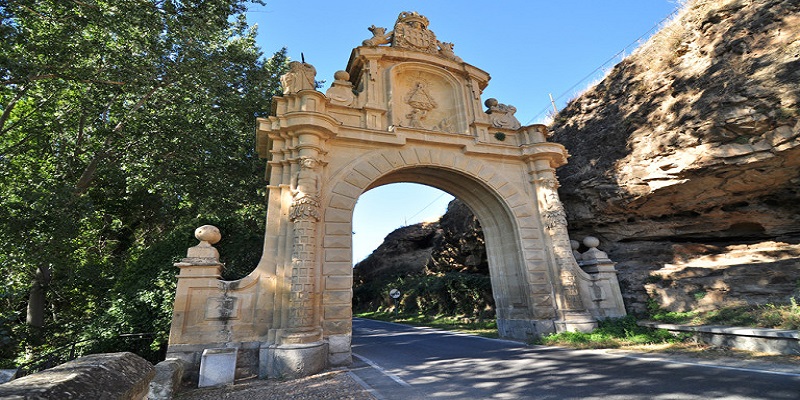
A monumental arch built around 1700. On the outside is a statue of Saint Ferdinand; on the inside, a relief depicting the miracle of María del Salto, which tells the story of a young Jewish woman’s co...
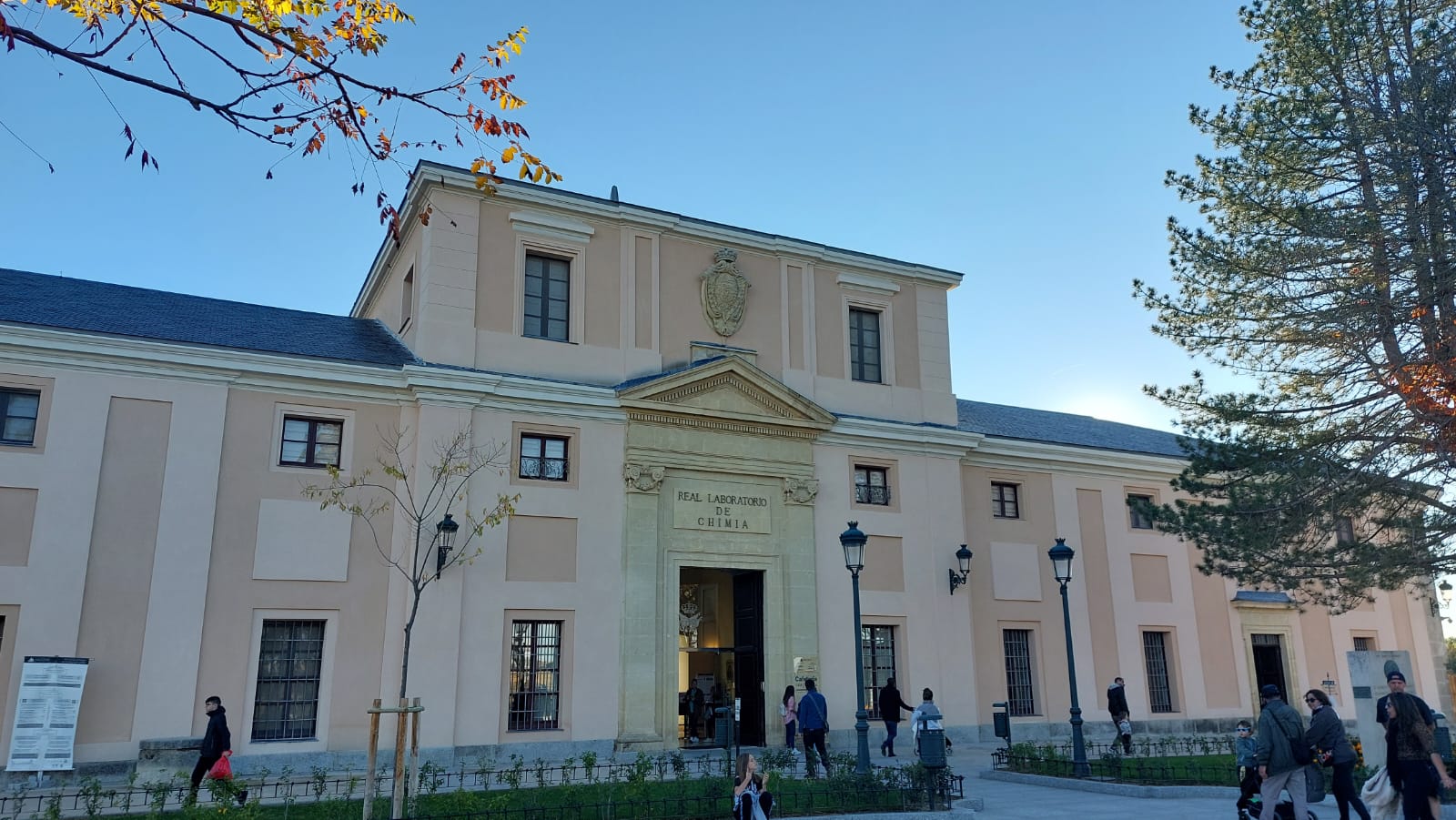
Late 18th century.It was established by Charles III, who placed it at the service of the Royal College of Artillery; it was the first Royal Chemistry Laboratory in Spain, and it was here that the Fren...
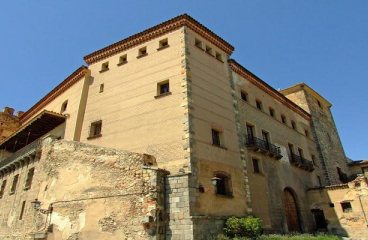
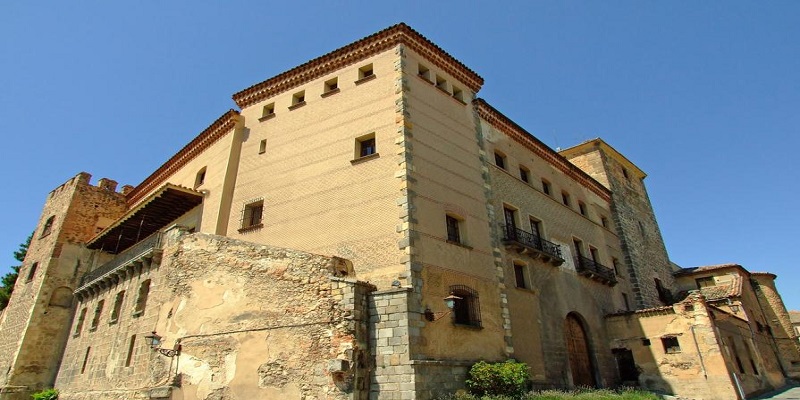
13th–15th centuries. A fortified house belonging to the Counts of Chinchón and Marquises of Moya, Andrés Cabrera and Beatriz de Bobadilla. It guarded the Puerta de San Juan, which was demolished in 18...
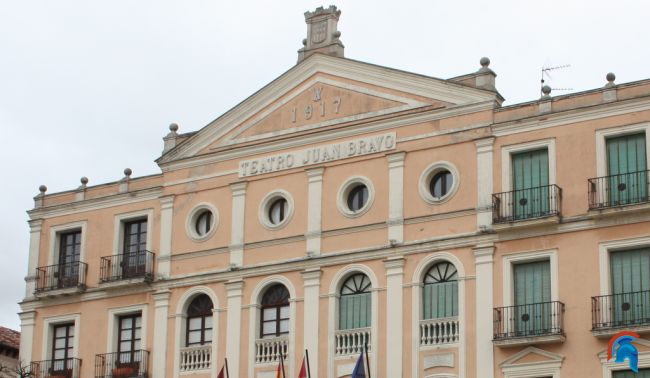
Designated a Site of Cultural InterestConstruction of the theatre began in 1915. Its layout follows the style of Italian Baroque theatres, comprising three successive spaces: the rectangular foyer, th...
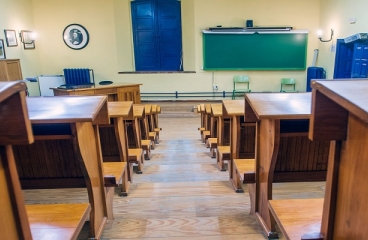
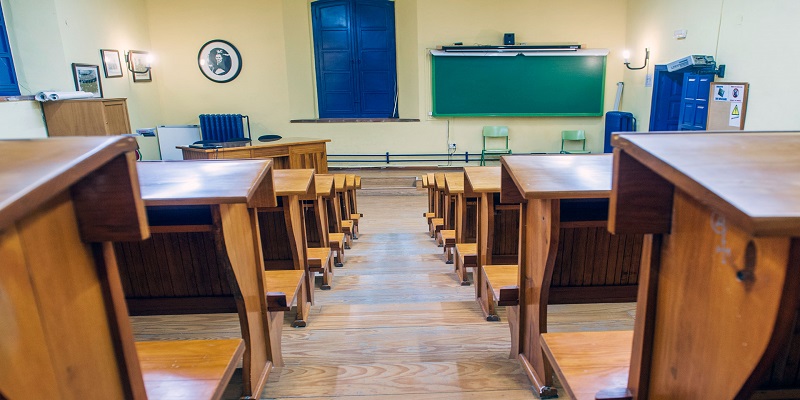
When the poet arrived in Segovia, he taught at the General and Technical Secondary School. A classroom bearing his name still stands, featuring characteristic benches at various heights and a 19th-cen...
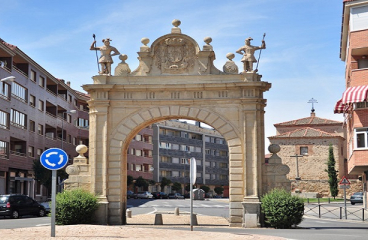
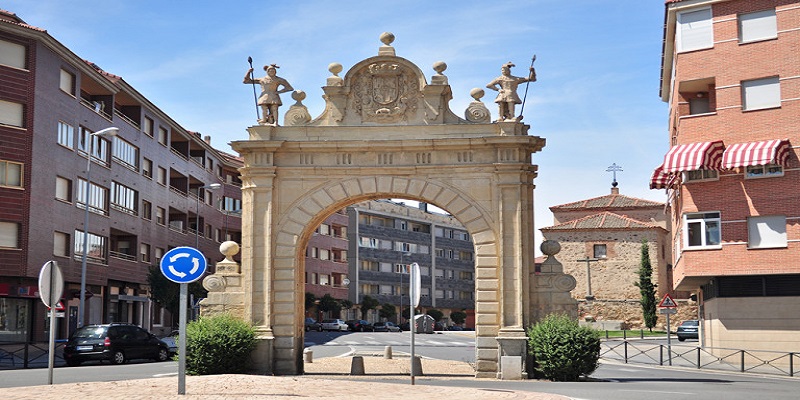
A monumental arch built around 1705 to commemorate the capture of Madrid by the Segovian captains Fernán García and Día Sanz, whose statues crown the monument.
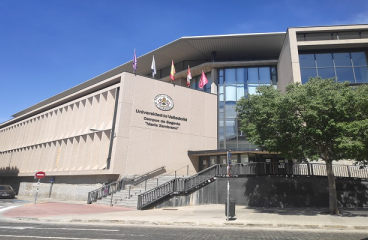
Universidad de Valladolid’s campus is named after philosopher and essayist María Zambrano, who spent her young years in Segovia. A new construction, it has been built on the plot where the Casa Grande...
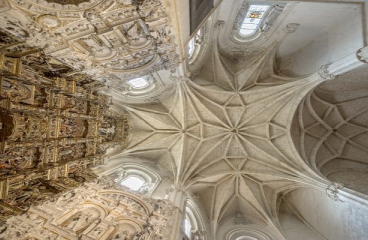
This monastery, commissioned in 1447 by Henry IV—although legend attributes its foundation to his favourite Juan de Pacheco, Marquis of Villena—is a complex of buildings arranged around several cloist...
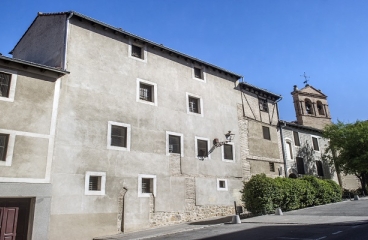
16th century. Originally the Convent of the Incarnation, home to Augustinian nuns, it was joined in 1592 by the community from the Convent of Humility, of the same order.Simple building materials can ...